





Table of contents
When you’re preparing for a baby, it’s easy to spend most of your time thinking about what your newborn will need — diapers, clothes, a crib, and all the items that fill your registry. But one thing many parents don’t fully prepare for is what feeding will actually look like day after day.
Breastfeeding may be natural, but the early weeks often come with a learning curve. You may find yourself figuring out latch, pumping schedules, milk storage, and how to keep up with bottles and breast pump parts that need cleaning multiple times a day.
Preparing a simple feeding setup before your baby arrives can make those first weeks feel much more manageable.
Learn the Basics of Breastfeeding Before Your Baby Arrives
Breastfeeding is natural, but it is also a skill that both you and your baby learn together. Many new parents are surprised that the first few weeks are not always as simple as they imagined. Questions about milk supply, latch, cluster feeding, and pumping are very common:
- Is my baby getting enough milk?
- How often should I feed?
- How do I know if my baby has a good latch?
- When should I start pumping?
Learning the basics before delivery can help you feel more confident when those first feeding moments arrive. Consider taking a breastfeeding class, reading reliable resources, or connecting with a lactation consultant before your baby is born. Understanding topics like latch, milk supply, feeding cues, and common early challenges can help you feel more prepared.
It is also helpful to remember that every breastfeeding journey looks different. Some parents exclusively breastfeed, some pump and bottle-feed, and many combine breastfeeding with formula feeding. The best feeding plan is the one that works for your family.
Create a Comfortable Breastfeeding Space
In the newborn stage, you may spend several hours every day feeding your baby. Many parents create a small “feeding station” because newborn feeding can happen anywhere from a quiet afternoon session to a 2 a.m. wake-up.
A practical breastfeeding station may include:
- A comfortable chair or nursing pillow
- Water and snacks for yourself
- Burp cloths
- Phone charger
- Breast pump supplies if you plan to pump
- Breast milk storage bags

Many parents focus entirely on preparing for the baby, but breastfeeding also requires taking care of the person doing the feeding. Keeping essentials nearby means you can spend less time getting up and more time focusing on feeding and bonding with your baby.
Choose the Right Breastfeeding and Pumping Essentials
Your breastfeeding essentials will depend on your feeding goals. If you plan to directly breastfeed, some basics may include nursing bras, breast pads, and a comfortable feeding pillow. If you plan to pump, you may also need a breast pump, pump bottles or milk collection containers, breast milk storage bags, extra pump parts, bottle nipples and bottles.
For pumping parents, the amount of equipment can quickly become surprising. A typical pumping session may involve cleaning breast shields, valves, membranes, bottles, and other small components afterward.
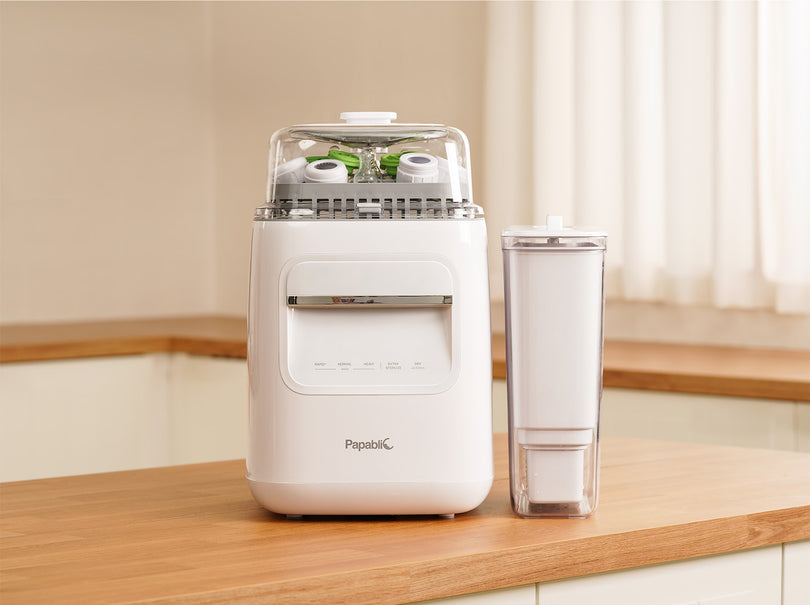
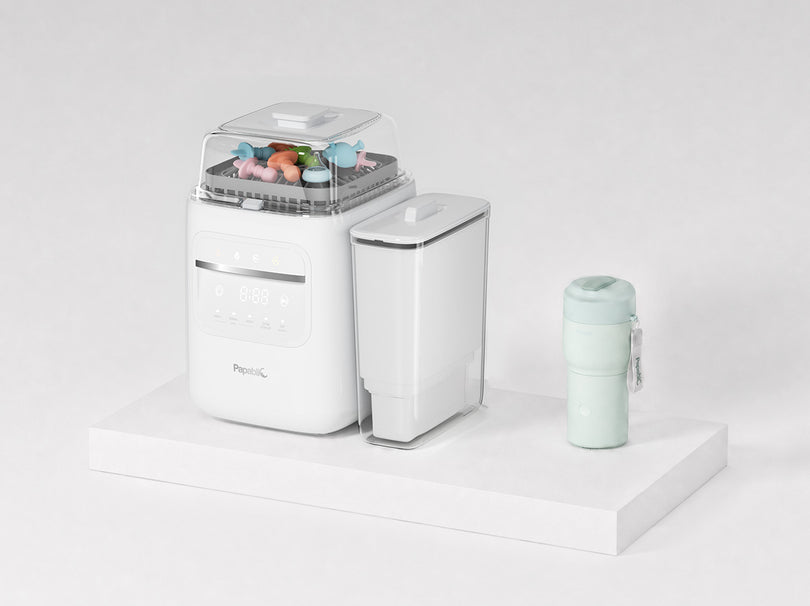
This is also why it helps to think about bottle and pump part cleaning before your baby arrives — especially if you plan to pump regularly. During the newborn stage, cleaning pump parts can quickly become one of the most repetitive daily tasks. Some parents choose to simplify this routine with an all-in-one bottle washer sterilizer and dryer, such as the Papablic SafeguardPlus™, which combines washing, sterilizing, drying, and storage in one system.

Prepare a Plan for Cleaning Bottles and Breast Pump Parts
One thing many new parents don't expect is how much time goes into cleaning feeding equipment. Breast milk bottles, bottle nipples, and breast pump accessories often have tiny crevices where milk residue can easily get trapped and go unnoticed. Items like valves and silicone components require extra‑care cleaning, because breast‑milk residue left in hidden gaps creates hygiene risks for your newborn.
Many expecting parents only prepare for the time burden of washing, yet overlook a quieter safety risk: proper sanitization and hard‑water mineral buildup. Even careful hand‑washing can miss hard‑to‑reach spots on small pump pieces. When tap‑water minerals dry onto bottles and pump parts, cloudy limescale forms, which can trap leftover milk and bacteria over time — an easy‑to‑miss hazard for pumping families.
Before your baby arrives, think about how you want to handle this daily task. Hand washing can work well for occasional bottle use, but families who pump several times a day often find themselves cleaning the same small parts repeatedly.
A complete cleaning routine usually includes:
- Washing bottles and pump parts after use
- Sterilizing when recommended
- Allowing parts to dry completely before the next feeding
- Reassembling and storing clean parts
For parents who pump multiple times a day, a dedicated bottle washer does more than simply cut down repetitive scrubbing. It addresses those hidden safety pain points many households miss: hard‑to‑reach cleaning crevices and tap‑water mineral deposits.

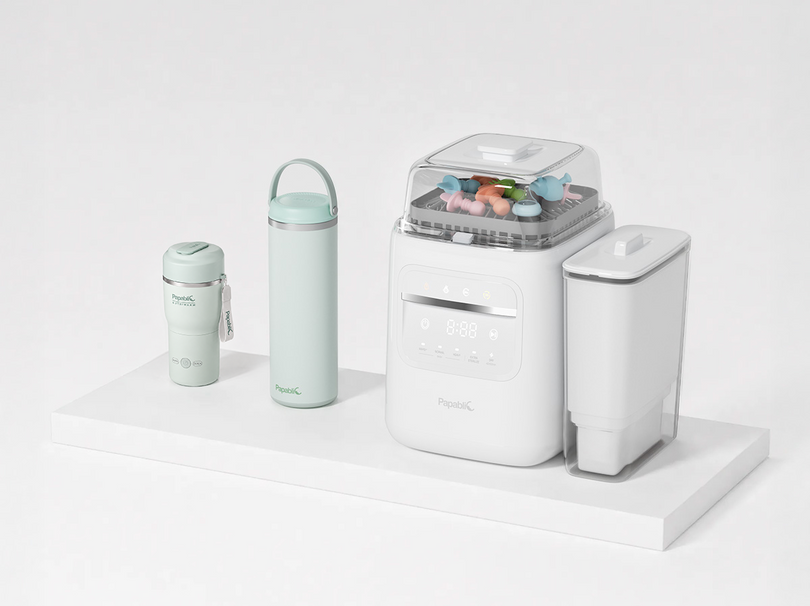
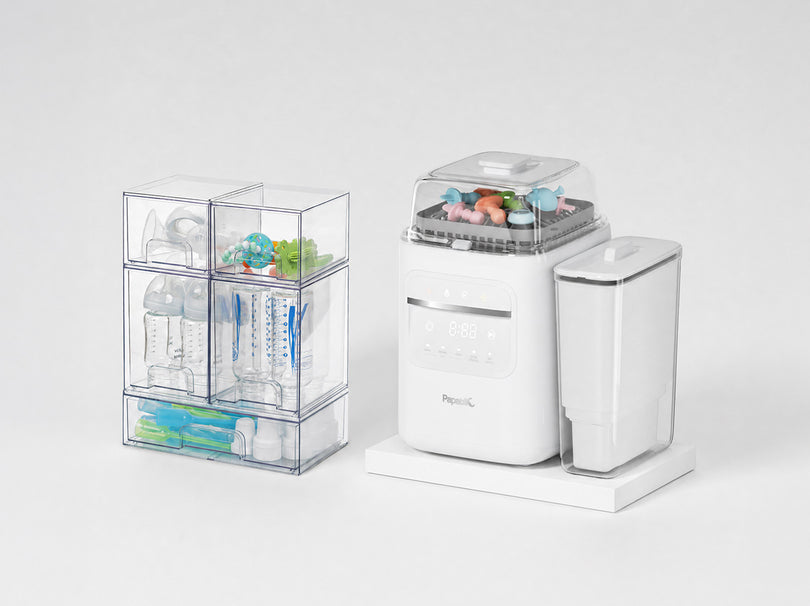
The Papablic SafeguardPlus™ is built for high‑volume pumping routines, with space for up to 8 bottles or 2 breast pump sets. Its built‑in filtration system minimizes hard‑water limescale while washing, sanitizing, and fully drying every piece in one cycle, reaching small gaps hand‑washing often skips. The goal is not to add more baby gear‑it is to remove unnecessary stress, while giving you greater confidence in the hygiene of your feeding equipment.
Learn How to Store and Handle Breast Milk
If you plan to pump, understanding breast milk storage before your baby arrives can help you feel more prepared. Many parents choose to build a small freezer supply, return to work while pumping, or simply have extra milk available for flexibility.
Basic preparation includes having breast milk storage bags or containers, labels for dates and amounts, a clean storage area and a consistent pumping and cleaning routine.
Proper handling is important because breast milk is a valuable source of nutrition for your baby. Always follow current guidance from trusted healthcare organizations and your healthcare provider for storage recommendations. Having a system in place before birth means fewer decisions to make when you are tired and adjusting to life with a newborn.
Prepare for Night Feedings Before Your Baby Arrives
Night feedings are when small conveniences become much bigger ones. A bottle that isn’t clean, a pump part that still needs washing, or a missing nipple at 3 a.m. can make an already exhausting moment feel even harder. During those first weeks, your baby may wake frequently to eat, which means bottles and pump parts may need to be cleaned at all hours of the day and night. Creating a nighttime feeding setup can help reduce stress.

Some parents prepare:
- A feeding station near their bedroom
- Extra clean bottles
- Pumping supplies ready to go
- Easy access to water and snacks
Having clean bottles and pump parts ready before bedtime can make overnight feeds smoother. For families who prepare feeding supplies ahead of time, an automatic bottle washer dryer sterilizer can help take one more task off the nighttime checklist.
Build a Breastfeeding Support System
Preparing for breastfeeding is not only about products. Support matters. Many new parents experience challenges with breastfeeding, especially during the early postpartum period. Having people you can turn to can make the experience less stressful.
Your support system may include:
- A partner who helps with household tasks
- Family members who support your feeding choices
- A lactation consultant
- Your healthcare provider
Partners can play an especially important role by helping with preparing meals, and taking care of daily tasks while the breastfeeding parent focuses on feeding and recovery. Breastfeeding is a team effort, even when only one person is physically feeding the baby.
Final Thoughts: Creating a Routine That Works for You
You don’t need to have your entire breastfeeding journey figured out before your baby arrives. The goal is not to create a perfect system. It’s to remove some of the small frustrations that can add up during those early weeks.
Learning about breastfeeding, preparing your feeding space, choosing the right essentials, and planning how you will handle bottles and pump parts can help reduce stress during the newborn stage.
For parents who plan to pump or use bottles frequently, tools like the Papablic SafeguardPlus™ can help simplify one of the most repetitive parts of feeding — cleaning, sterilizing, drying, and organizing bottles and pump parts. Because in those early weeks, every minute matters. The less time you spend managing repetitive tasks, the more time you have to rest, recover, and enjoy those precious moments with your baby.
FAQs
When should I start preparing for breastfeeding?
Most parents start preparing during the third trimester, when they have more time to research breastfeeding basics, choose essentials, and set up their feeding space. You do not need to have everything figured out before your baby arrives. Breastfeeding is a learning process for both parent and baby, and many families adjust their routine over time based on their needs.
What breastfeeding essentials should I buy before my baby arrives?
Essential breastfeeding supplies depend on your feeding plan. Many parents prepare items such as nursing bras, breast pads, feeding pillows, breast pumps, bottles, and breast milk storage supplies. If you plan to pump regularly, it is also helpful to prepare a system for cleaning breast pump parts and bottles. A baby bottle washer sterilizer and dryer can simplify this routine by combining multiple cleaning steps into one appliance.
How do I clean bottles and breast pump parts after breastfeeding?
Bottles and breast pump parts should be cleaned according to the manufacturer's instructions. Most routines include washing parts thoroughly, sterilizing when needed, and allowing everything to dry completely before use. For parents who pump frequently, cleaning multiple small parts every day can become time-consuming. Papablic SafeguardPlus™ can help reduce repetitive work by washing, sanitizing, drying, and keeping feeding equipment organized for the next session.


