




If your newborn wants to eat every twenty minutes from dusk until midnight, you're not doing anything wrong. Cluster feeding at night is exhausting, and also completely normal. In this guide, we'll cover why babies cluster feed after dark, how it differs from snacking, how long the phase lasts, and practical ways to get through those evening stretches.
Key Takeaways
-
Cluster feeding at night is normal newborn behavior, not a sign of low milk supply.
-
It usually happens in the evening and lines up with real growth patterns.
-
Wet diapers and weight gain, not feeding frequency, tell you if your baby is getting enough.
-
A prepped feeding station and a loose game plan make evenings far more manageable.
-
The phase is temporary and typically eases within the first few months.
What Is Cluster Feeding?
Cluster feeding means your baby wants to feed several times in a short window, often every 20 to 40 minutes, rather than following a more spaced-out pattern. It happens with breastfeeding, bottle-feeding, and mixed feeding alike. If you're still weighing breastfeeding against bottle feeding, know that cluster feeding shows up the same way no matter which route you take.
Instead of one longer feed followed by a rest, your baby takes smaller amounts more often, then settles into a longer sleep once the cluster winds down. It's most common in the first few weeks, when a newborn's tiny stomach naturally leads to more frequent, shorter feeds.
Why Does Cluster Feeding Happen at Night?
The biggest driver of nighttime cluster feeding is sensory overload, not a dip in milk supply. Newborns take in an overwhelming amount of light, sound, and movement over the course of a day, and by evening that input can leave them overstimulated in a way they can't yet regulate on their own.
Feeding gives them rhythm, warmth, and closeness that helps calm an overwhelmed nervous system, and milk also tends to flow a little more slowly in the evening, which works in your baby's favor by allowing plenty of soothing, unhurried sucking without making them uncomfortably full.
On top of that daily pattern, growth spurts can intensify evening cluster feeding for a few days at a time, and the extra nursing overnight actually helps build milk supply for the days ahead.
Cluster Feeding vs. Snacking: What's the Difference?
The difference comes down to pattern and duration.
Cluster feeding is a temporary stretch, usually a few hours in the evening, where your baby feeds every 20 to 40 minutes before settling into a longer sleep.
Snacking describes a baby who takes small amounts throughout the day rather than full feeds, often because they're too distracted, sleepy, or unwell to take a full feed at once.
Cluster feeding resolves into a longer sleep stretch afterward; if snacking continues around the clock for days, or your baby seems consistently unsatisfied, it’s worth flagging it with your pediatrician at your next wellness check.
When Does Cluster Feeding Start, and How Long Does It Last?
Cluster feeding most often starts within the first few days of life and reappears around two to three weeks, six weeks, and three months, lining up with common growth spurts. Each stretch usually lasts two to five days before your baby settles back into a more predictable rhythm.
By around three to four months, most babies take in more milk per feed and the evening cluster pattern shortens or fades, though the exact timeline varies from baby to baby.
How to Tell if Your Baby Is Getting Enough
You can tell your baby is getting enough by tracking wet diapers and weight gain rather than counting feeds. According to the CDC, wet diaper output climbs steadily over the first week:
|
Day of Life |
Minimum Wet Diapers |
|
Day 1 |
1 |
|
Day 2 |
2 |
|
Day 3 |
5 |
|
Day 4 |
6 |
|
Day 5-7 |
6 or more |
The American Academy of Pediatrics notes that a well-fed newborn generally feeds 8 to 12 times a day and seems satisfied for 1 to 3 hours between feedings, outside of cluster feeding windows. If your baby is gaining weight and producing steady diapers, frequent evening feeding isn't a sign that something is wrong.
How to Get Through Cluster Feeding at Night
You can't shorten a cluster feeding stretch, but a little preparation makes it far less draining. Here's what actually helps once the evening feeds start stacking up.
Keep Feeding Supplies Ready
Wash and prep bottles ahead of the evening rush so you're never scrambling mid-cluster. Good hygiene and water safety matters even more when you're feeding every twenty minutes.
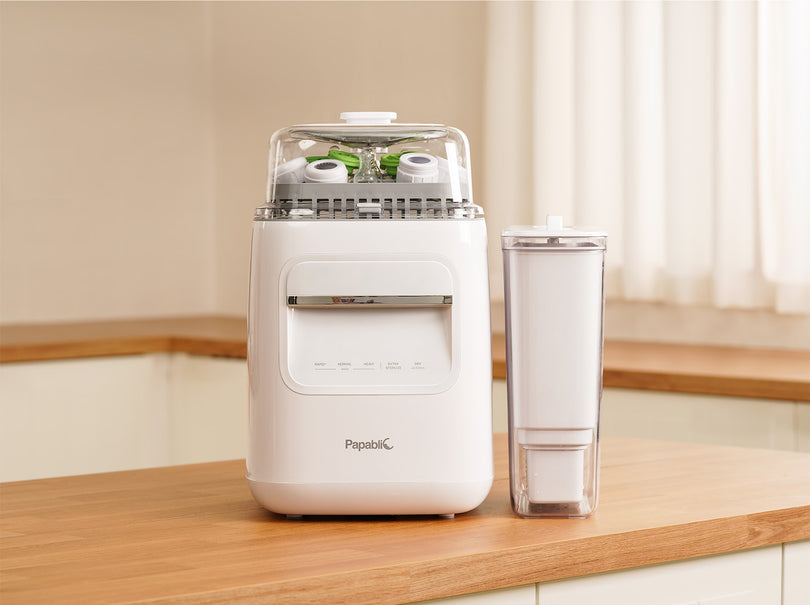
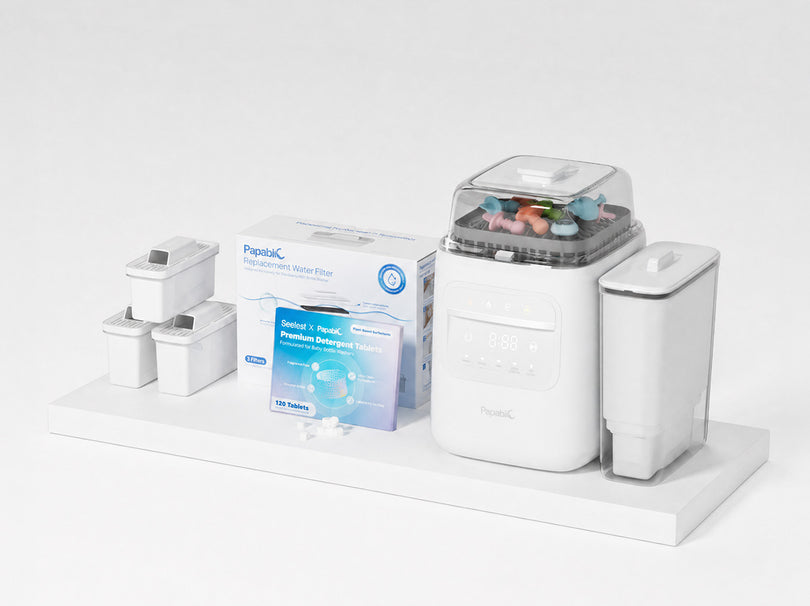
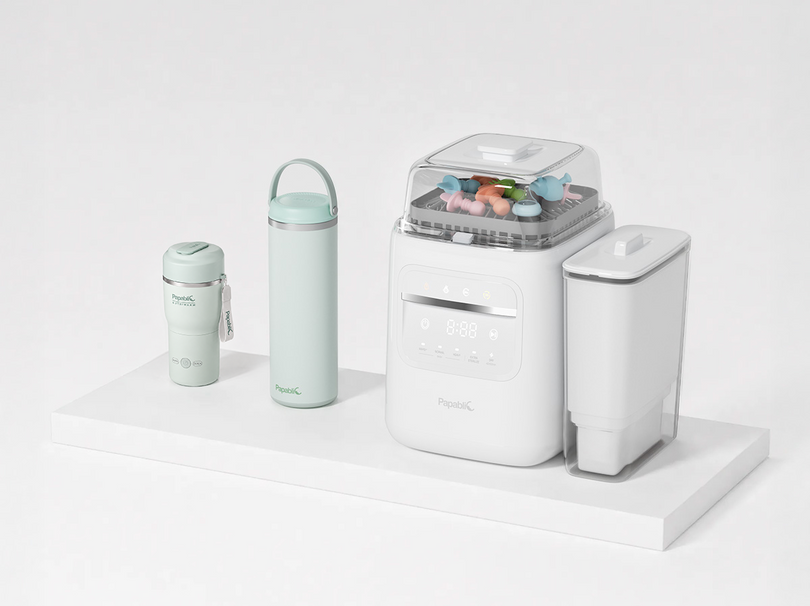
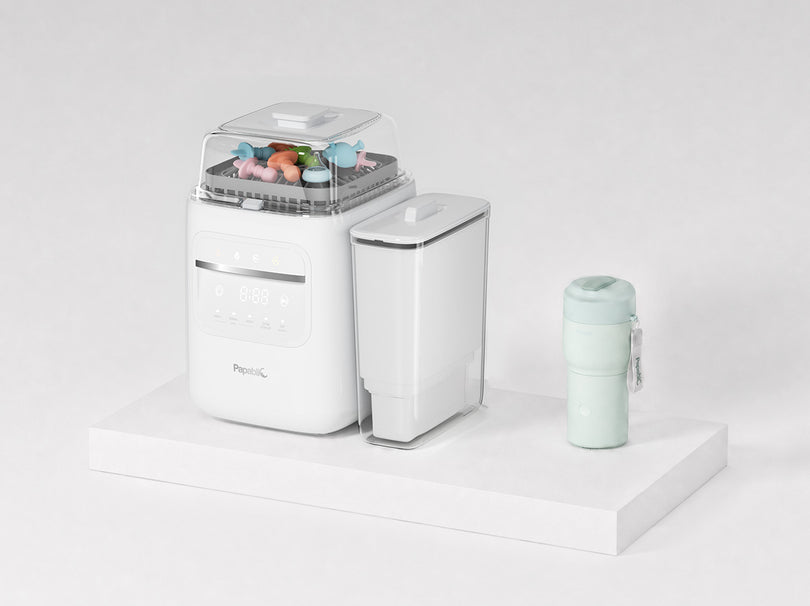
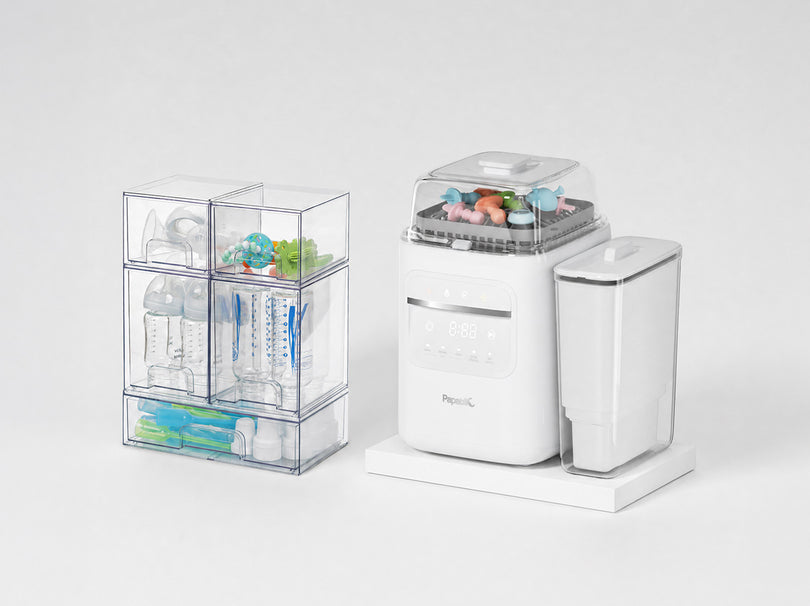
That’s where the Papablic SafeguardPlus™ Baby Bottle Washer System, the first and only bottle washer with a built-in water filter, makes the biggest difference: load up to 8 bottle sets, or 2 pump part sets, press start, and walk away with a full batch that’s been washed with PurifyClean™ filtered water, sterilized, dried, and stored, ready the moment your baby wants another feed.

Get Comfortable
Pick one spot, a chair or your bed, where you can settle in for a while and stay put. Keep water, snacks, and your phone charger within arm's reach so you're not stuck getting up mid-feed just as your baby finally settles.
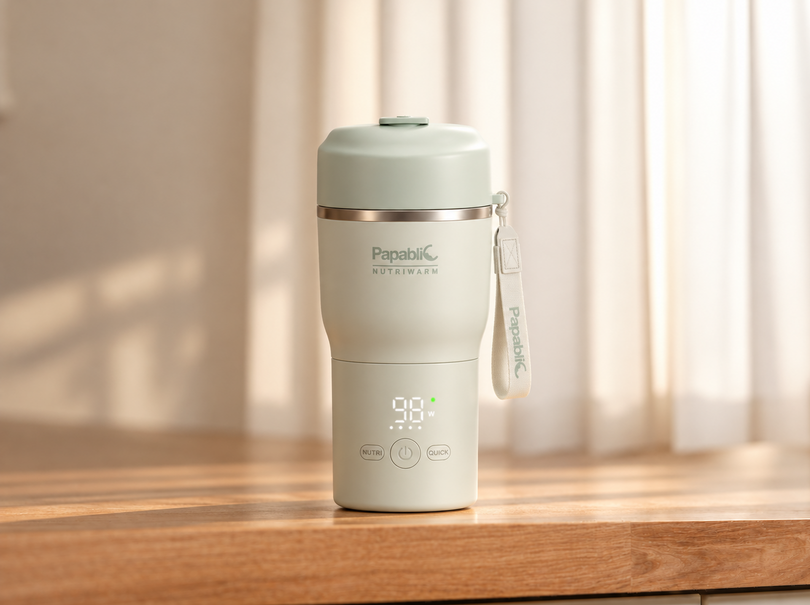
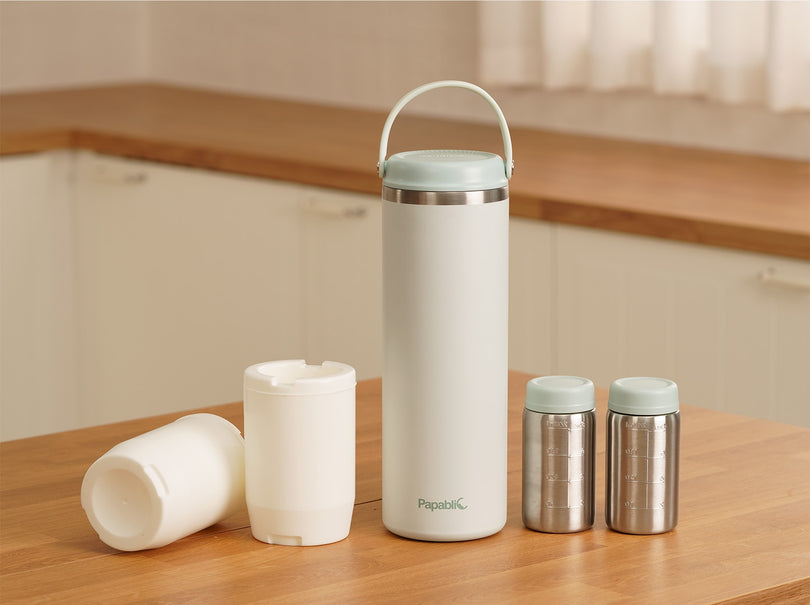
The Papablic Portable Bottle Warmer & Sterilizer Pro parked next to your chair helps too, warming 4 oz of refrigerated breast milk to 98°F in about 2 minutes 30 seconds, so you're not making trips to the kitchen every twenty minutes.
Take Turns if You Can
If you have a partner or another caregiver at home, split the evening into shifts so each of you gets a real break. Bottle-feeding families can trade off entirely; a quick refresher on how to bottle-feed a newborn makes handoffs smoother.
Track Loosely, Not Obsessively
Jot down rough feeding times if it helps you spot the pattern, but you don't need to log every minute. Cluster feeding follows its own rhythm once you've lived through it a few times, and a loose sense of timing is usually enough to reassure you.
Ask for Help with Everything Else
Cluster feeding eats up your evening, so let go of anything that isn't feeding, sleeping, or resting yourself. Accept help with dishes, dinner, or older kids so that your only job during the cluster window is your baby.

What to Avoid Doing During Cluster Feeding
A few habits make cluster feeding harder than it needs to be:
-
Supplementing out of worry. Frequent evening feeding doesn't mean your baby needs more than breast milk or formula alone provides; read up on signs of overfeeding a newborn before adding extra feeds.
-
Watching the clock. Counting minutes between feeds during a cluster stretch adds stress without changing the pattern.
-
Comparing your baby to others. Cluster feeding timing and intensity vary widely, and there's no single "normal" schedule.
-
Letting daytime feeds slide. A sleepy newborn who skips daytime feeds often makes up for it overnight, so waking a newborn to feed on a regular daytime rhythm can ease the evening load.
-
Skipping your own meals and water. You can't keep feeding your baby all evening on an empty stomach yourself.
Frequently Asked Questions
Is It Okay to Cluster Feed a Newborn?
Yes, cluster feeding is a normal and healthy part of newborn feeding. It's your baby's way of building milk supply, settling before a longer sleep stretch, or seeking comfort during a busy part of the day. As long as your baby has steady wet diapers and is gaining weight, cluster feeding isn't something to worry about.
How to Tell if a Newborn Is Cluster Feeding?
Your baby will want to feed every 20 to 40 minutes for a stretch of a few hours, usually followed by a longer sleep. Feeds may be shorter and closer together than usual, and your baby may seem fussy in between. The pattern typically resolves within a few days, often as quickly as it started.
Can Cluster Feeding Happen During the Day?
Yes, though it's less common than evening cluster feeding. Some babies cluster feed in the morning or during a growth spurt at any time of day. If daytime cluster feeding continues for more than a few days without a longer sleep stretch afterward, keep an eye on wet diapers and weight gain to confirm your baby is still getting enough.
Feed, Rest, Repeat: Cluster Feeding Won't Last Forever
Cluster feeding at night is demanding, but it's temporary and a sign your baby is doing exactly what newborns are built to do.
We know evenings feel long when you're mid-cluster, and keeping supplies washed, sterilized, and ready to grab is one less thing to think about during that stretch. Explore the Papablic SafeguardPlus™ Baby Bottle Washer System to see how it fits into your feeding routine.