




Table of contents

Why Every Expecting Parent Needs a Feeding Plan Before Baby Arrives
Most new parents delay feeding prep until their baby is home, only to feel overwhelmed by nonstop pumping, endless bottle washing and inconsistent feeding workflows.
As a developmental PT working with hundreds of postpartum families, I strongly recommend mapping your feeding routine during pregnancy. A solid pre-birth feeding plan eases postpartum burnout, supports healthy baby feeding posture, and lets you lock in consistent bottle sanitization habits from your newborn’s very first sip.

How to Choose the Right Feeding Method for Your Family
There is no one-size-fits-all feeding solution. Breastfeeding, exclusive pumping, formula feeding and combination feeding all work well when matched to your schedule, physical recovery and your baby’s developmental needs.
During your third trimester, talk through feeding expectations with your partner, and weigh the daily cleaning chores each method brings: frequent pumping means constant sanitization for bottles and pump flanges, while direct breastfeeding still calls for sterile backup feeding gear for emergencies.

How to Build Your Baby’s Feeding Routine Before Birth
Preparing a reliable newborn feeding routine during pregnancy is one of the most underrated prenatal tasks for first-time parents. A sustainable feeding system isn’t just about choosing breastfeeding or bottle feeding—it’s about building predictable habits that protect your postpartum mental load and support your baby’s growing body.
As a baby development expert, I always encourage expecting families to set up their feeding framework early. This includes establishing a feeding space, pre-planning daily feeding rhythms, and prioritizing consistent infant hygiene habits. Small prenatal preparations prevent chaotic, last-minute decisions, allowing both parent and baby to adapt to feeding life much smoother.
The Easiest Way to Build a Safe Feeding Routine
While routine setup matters, hygiene safety is the non-negotiable foundation of all healthy newborn feeding habits. I break down safe feeding practice into three simple, parent-friendly steps, with proper bottle washing and sanitization standing as the most critical protection for fragile newborn immune health.
Create a fixed, accessible feeding station within arm’s reach for late-night feeds

- Lock in a repeatable daily schedule for milk prep and feeding sessions
- A bottle washer that handles washing and sanitizing makes feeding routines much easier
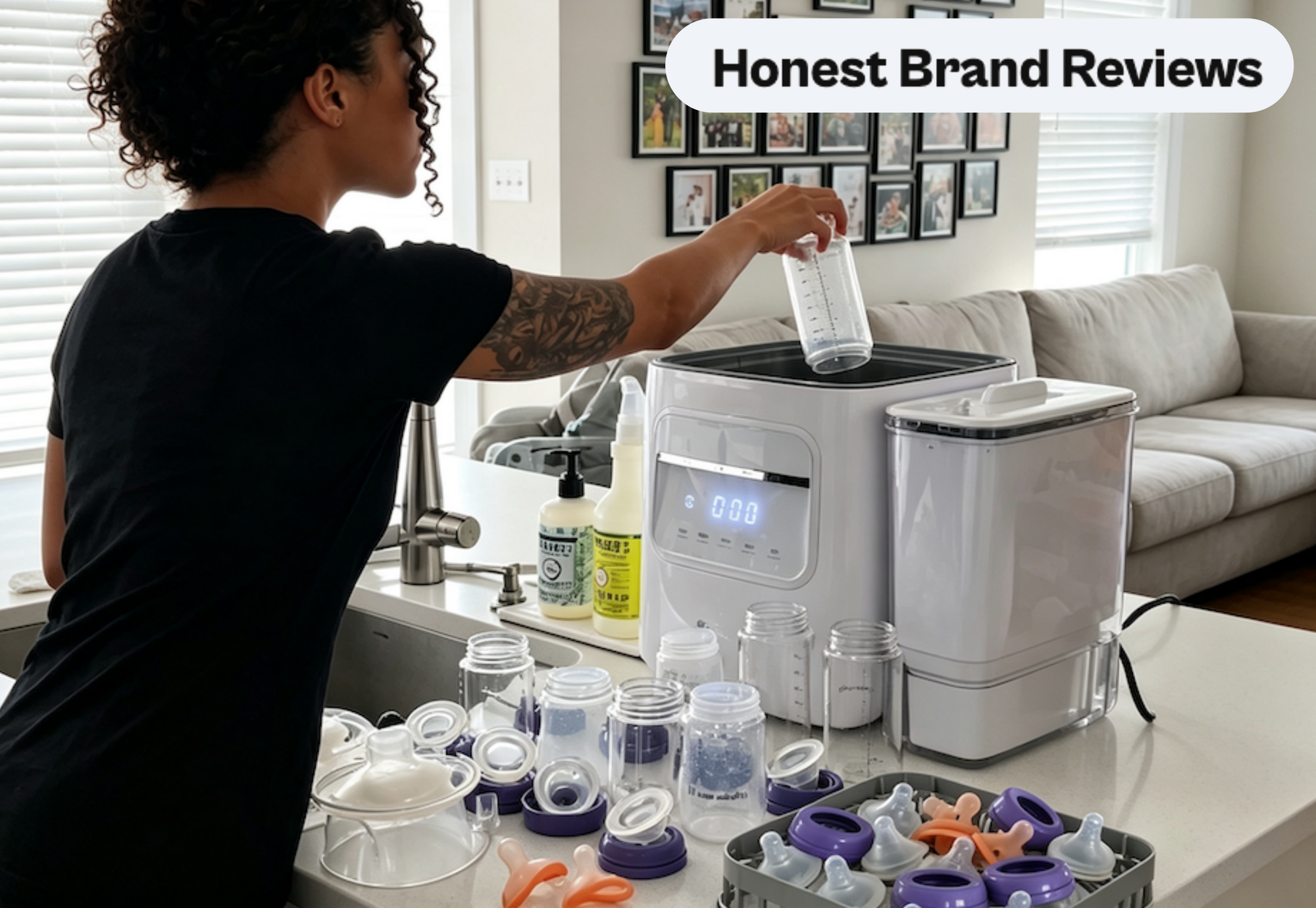
From my clinical perspective, residual milk residue and unfiltered tap water limescale on baby bottles and pump parts are hidden newborn health risks. Hand washing can leave behind unseen bacteria and contaminants. Using a certified all-in-one bottle washer sterilizer ensures every feeding gear meets CDC infant hygiene standards, delivering safe, clean feeds for your baby every single time.
A Safe Newborn Feeding Routine Using Papablic
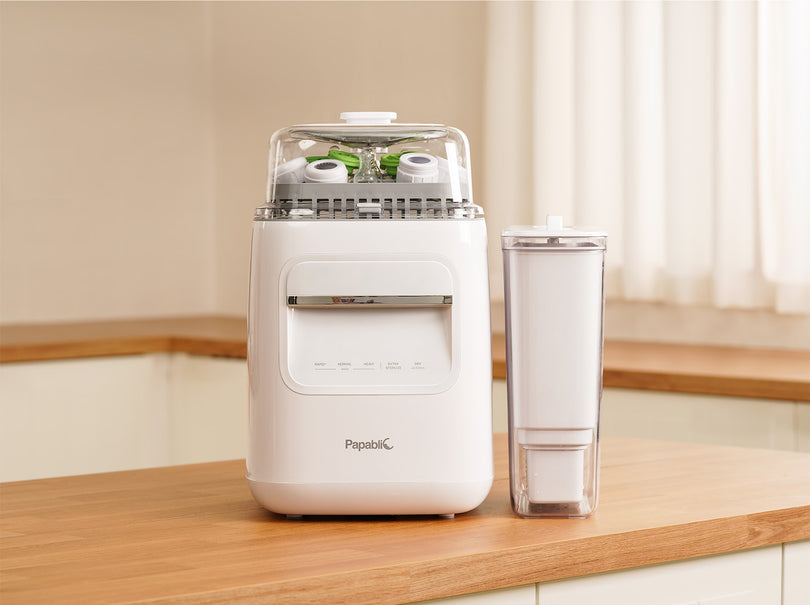
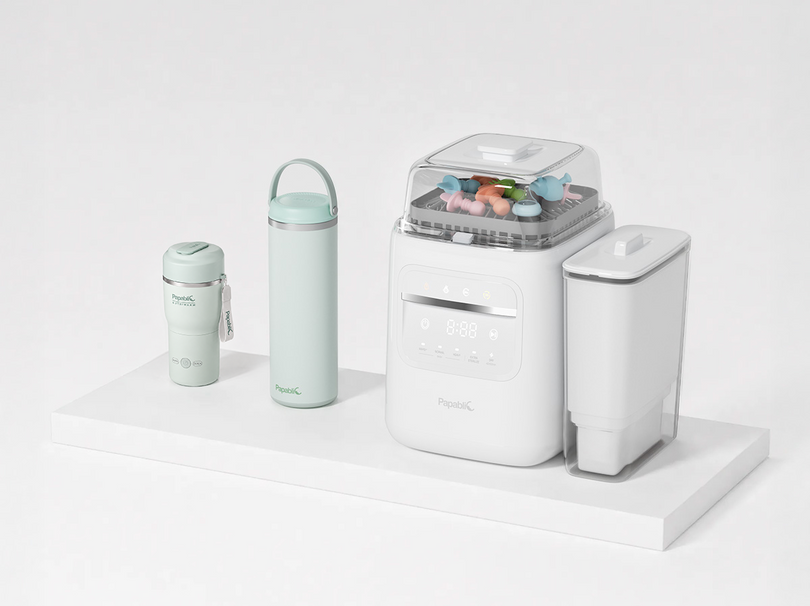
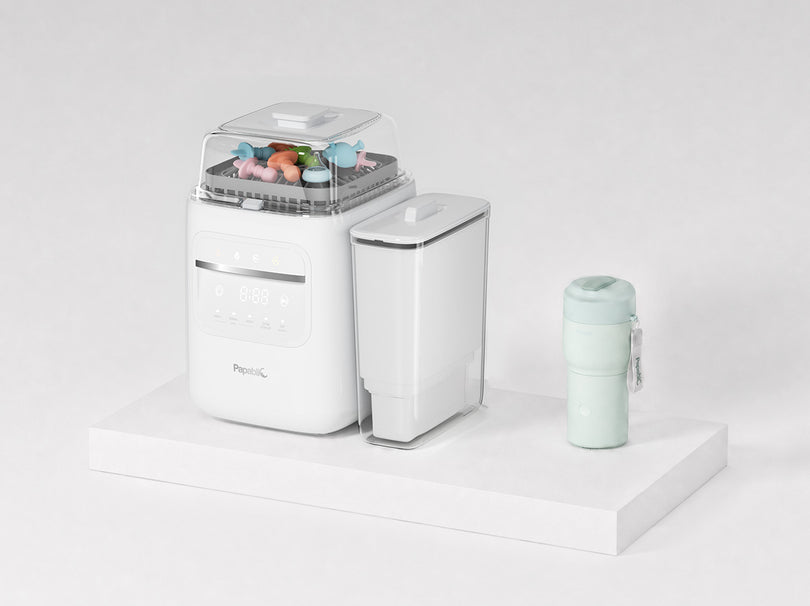
I‘ve guided hundreds of expecting families through prenatal feeding prep and seen how messy bottle cleaning workflows drain new parents’ limited energy. That's why I am so delighted to find that how Papablic SafeguardPlus™ Baby Bottle Washer System can streamline your prenatal feeding hygiene setup to cut postpartum chaos.

Purified Water For Peace of Mind
The biggest overlooked risk, in my opinion, is the quality of the water you use for feeding and cleaning. Depending on where you live, your tap water may not be totally free from compounds that are risky for infants — lead, PFAS and hard water minerals. The built-in water filtration of SafeguardPlus™ softens regular tap water and removes those contaminants, eliminating limescale in feeding gears, costs of distilled water and frequent descaling.

Deep-Clean All Feeding Gear to Skip Hand Scrubbing
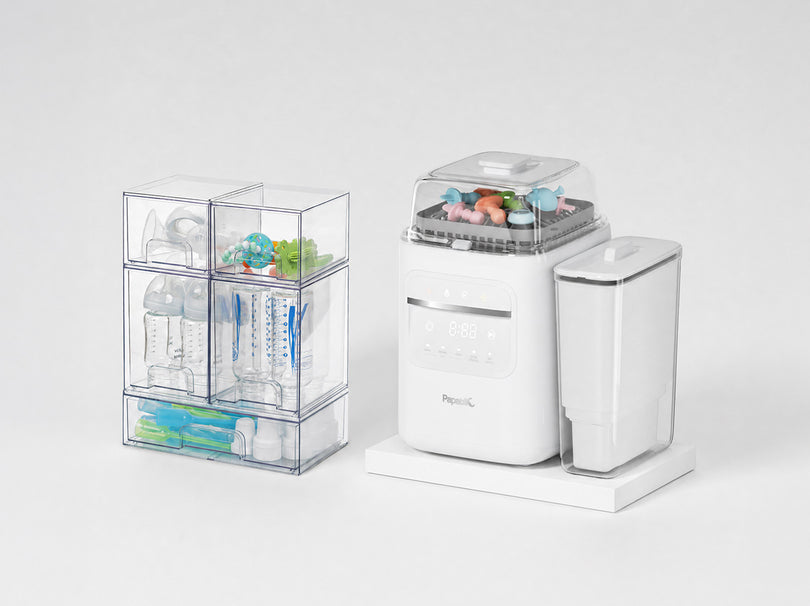
Its large 8-bottle capacity holds a full day’s bottles and 2 complete breast pump kits in one cycle. The 360° spray cleans tiny hard-to-reach crevices, saving hours of daily manual cleaning work.
Kill 99.99% Germs to Guard Newborn Immunity
Triple high-heat steam sterilization eliminates 99.99% harmful germs after washing, which complies with CDC infant hygiene standards and lowers infection risks for newborns.
Dry Gear Fully to Stop Mold & Bacteria Regrowth
The dual-fan drying system removes all residual moisture on bottles and small pump accessories, preventing mold, mildew and secondary bacterial growth between feeds.
Store Sterile Supplies for 72 Hours for Next Feed
Airtight sealed sterile storage maintains dry, sterile feeding gear for up to 72 hours, no extra washing or sterilizing needed for overnight feeds and frequent pumping sessions.
This all-in-one unit eliminates tedious manual cleaning and separate sterilizing equipment. Its detachable filter also saves limited countertop space, allowing you to focus on gentle, baby-friendly feeding positioning.
Conclusion
Practicing your baby’s feeding routine during pregnancy can reduce postpartum stress. Prioritizing low-effort, reliable bottle cleaning and sanitization is the key to consistent, safe newborn care.
With expert guidance from developmental infant specialists and all-in-one hygiene tools like Papablic SafeguardPlus™ Baby Bottle Washer System, you can step into parenthood fully ready to deliver gentle, secure first feeds, living up to our core promise: Extra Care from the First Sip.
- Shop the Papablic SafeguardPlus™ now and get a gift bundle worth $159.99.
- Limited to 200 units, first‑come, first‑served — this bonus offer ends once supplies are gone.
FAQs
Is filtered tap water safe to clean baby bottles with Papablic SafeguardPlus?
Yes. Its built-in filtration removes lead, PFAS and hard water mineral buildup that boiling alone cannot eliminate. It cuts recurring costs of distilled water and prevents limescale residue on feeding gear.
Does this all-in-one bottle washer fit full breast pump kits alongside baby bottles?
Absolutely. The upgraded large interior holds up to 8 bottle sets or 2 complete breast pump kits per cycle. Multi-angle targeted spray reaches tiny hidden crevices on flanges, nipples and valves for thorough deep cleaning.
How long do sanitized bottles stay sterile inside the unit after a full cycle?
The airtight sealed storage chamber keeps all feeding supplies dry and sterile for up to 72 hours. You will not need to rewash or re-sterilize bottles for overnight feeds or frequent pumping sessions.