



Combining breastfeeding and pumping can feel like running two schedules at once, especially when you're already short on sleep. A workable breastfeeding and pumping schedule doesn't need to be complicated. It needs to fit your body, your baby, and your actual day. Here's how to build one that gets you the milk you need without burning you out.
Key Takeaways
-
Most parents can safely start pumping three to four weeks after birth, once breastfeeding is established.
-
Pump after nursing sessions, not instead of them, to protect your milk supply.
-
Sample schedules look different for newborns, freezer-stash building, and returning to work.
-
Batching cleanup and pumping during one nursing session a day makes routines sustainable long-term.
When to Start Pumping While Breastfeeding
Most breastfeeding parents can start pumping three to four weeks after birth, once supply has settled into a rhythm. Starting earlier than that, without a specific reason, can lead to oversupply or engorgement before your body learns how much milk your baby actually needs.
There are exceptions worth knowing about. If your baby is in the NICU, has a weak latch, or can't nurse directly, pumping from day one may be necessary to establish your supply. Parents planning to exclusively pump also tend to start earlier, working closely with a lactation consultant to time sessions around what would otherwise be nursing.
How Breastfeeding and Pumping Work Together
Breastfeeding and pumping work together through one basic principle: your body makes more milk when more milk is removed. Nursing signals what your baby needs in real time, so the most reliable approach is to pump after nursing, not instead of it, especially early on, since it captures extra milk without shorting the next feeding.
It's also a natural moment to build a baby's feeding routine around specific times of day, like reserving a bottle for a partner's nighttime feeding while you pump.
As your baby sleeps for longer stretches, you'll likely shift some sessions to replace nursing entirely, especially once you're back at work. Many parents keep choosing breastfeeding for most feeds, reserving pumped bottles for the windows where a bottle helps most.
Sample Schedules for Common Situations
There's no single "correct" schedule. What works depends on your baby's age, your supply, and your goal. These three situations cover the most common stages parents ask about.
First Weeks at Home
In the first few weeks, the goal is establishing supply and bonding, not adding pumping sessions on top of frequent nursing.
|
Time |
Activity |
|
Every 2–3 hours |
Nurse on demand |
|
Once daily (optional) |
Pump 10–15 minutes after a morning feed, when supply is highest |
|
As needed |
Hand express for comfort if engorged |
Keep pumping minimal here. One extra session a day is plenty if you want to start freezing a little milk early. If your newborn is a heavy sleeper, you may need to learn how to wake up a newborn to feed often enough to keep the supply on track.
Building a Freezer Stash
Once breastfeeding feels steady, many parents add a pumping session to build a backup supply for outings, illness, or return to work.
|
Time |
Activity |
|
Morning |
Nurse baby, then pump 15–20 minutes 30–60 minutes later |
|
Midday |
Nurse on demand |
|
Evening |
Optional second pump after the last feed |
Store what you pump according to current safety guidelines. The CDC recommends using refrigerated milk within four days, or freezing it right away, since frozen milk stays best within six months. Label everything with the date and use the oldest milk first.
Returning to Work
Your schedule at work should mirror your baby's usual feeding times, both for comfort and to keep supply steady.
|
Time |
Activity |
|
Before leaving |
Nurse baby |
|
Mid-morning |
Pump 15–20 minutes |
|
Early afternoon |
Pump 15–20 minutes |
|
Before pickup |
Pump 15–20 minutes if your commute is long |
|
Evening |
Nurse baby |
Under federal law, most employers must provide reasonable break times and a private, non-bathroom space to pump for up to a year after birth. Talk to your employer ahead of time about where and when you'll pump, so your first week back isn't spent figuring it out.
4 Tips for Making Your Schedule Sustainable
A schedule only works if you can keep it up. These adjustments make a real difference over time.
Pump When Someone Else Feeds
If a partner or caregiver is giving a bottle, that's your cue to pump instead of nursing. You still get the milk removal you need, but you skip being the one holding and feeding the baby for that session, which frees up time afterward to rest, eat, or shower.
Batch Your Pump Part Cleaning
Pump parts need a full wash after every single use, not just a rinse, since bacteria from breast milk residue can grow even under refrigeration. The easiest way to keep up without a sink trip after every session is to own two sets of parts, using one while the other runs through a wash.
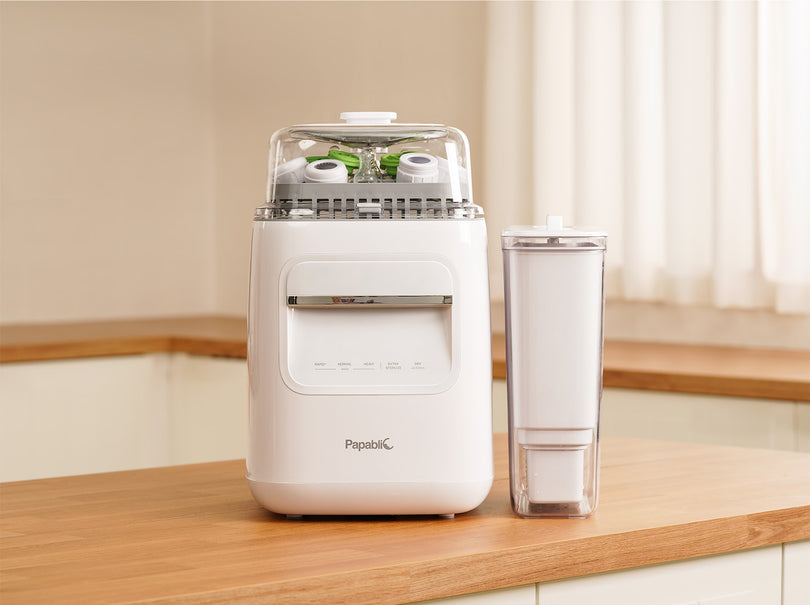
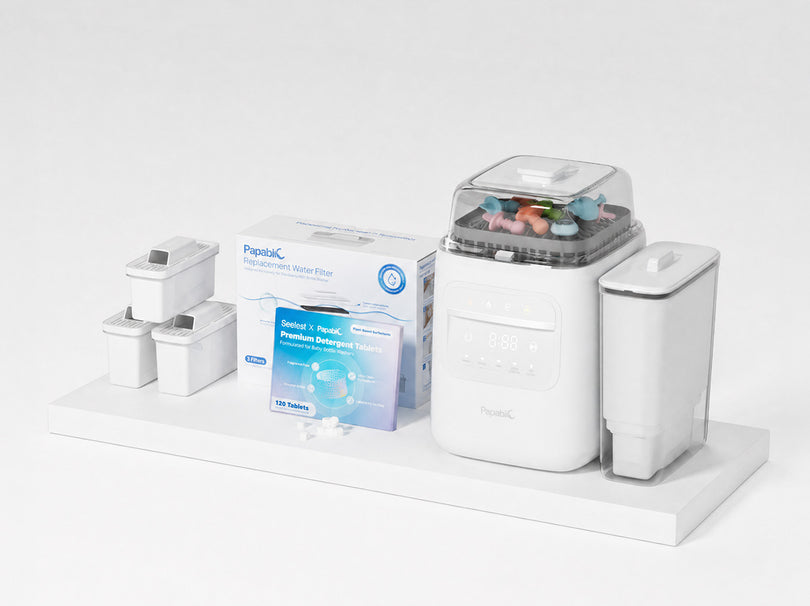
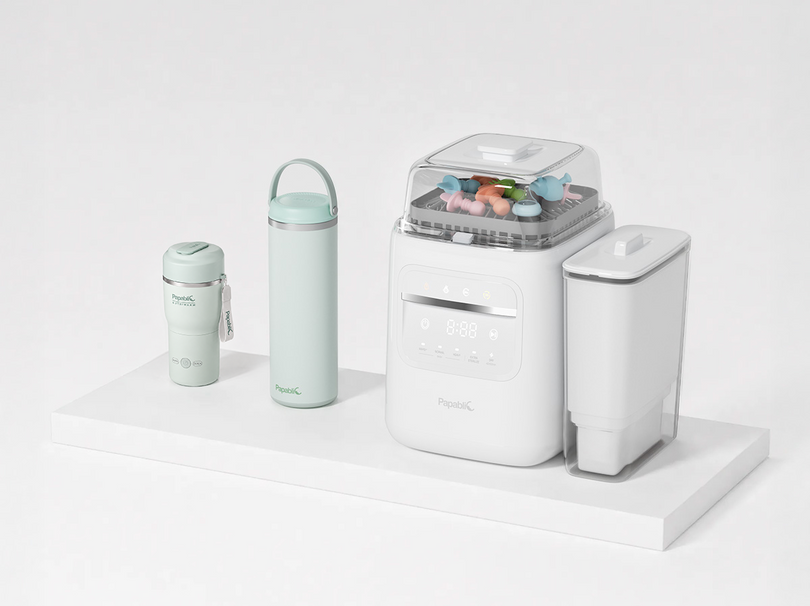
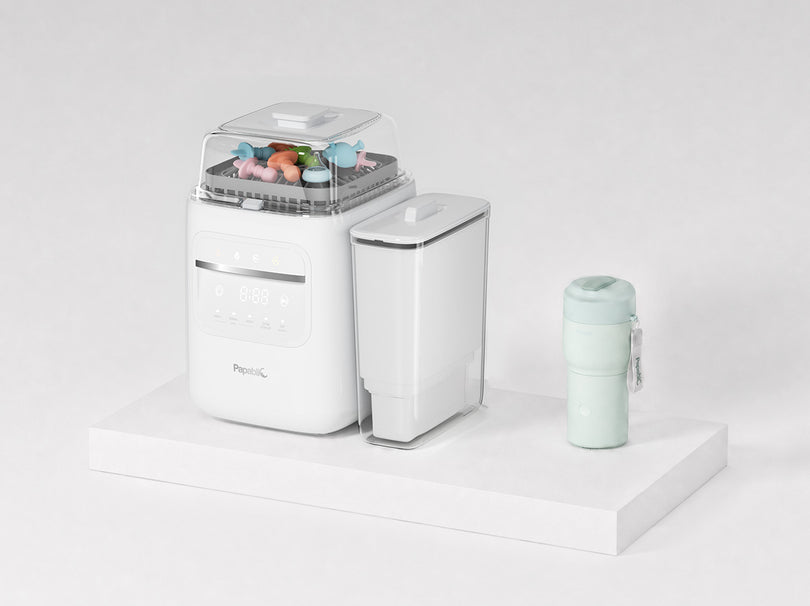
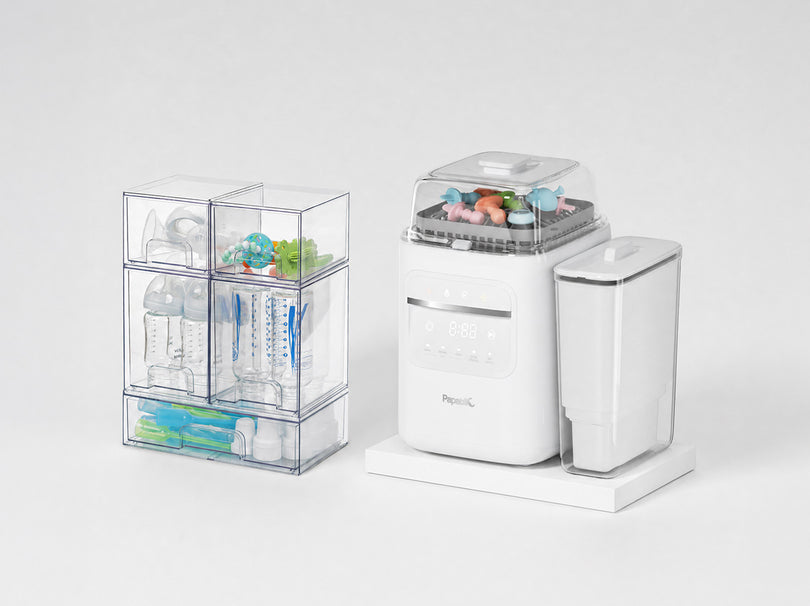
The Papablic SafeguardPlus™ Baby Bottle Washer System filters, washes, sterilizes, dries, and stores up to two full sets of pump parts (or 8 bottles) in one cycle, so a proper, full clean takes minutes instead of hand-scrubbing tiny valves and membranes at the sink.
Swap in the clean set, load the used one, press start, and walk away. That's real time back; minutes you'd otherwise spend hunched over the sink, that can go toward sleep, a meal, or a few quiet minutes to yourself instead. It's one less mental checklist on an already full day.

Build In Buffer Time
Pumping rarely takes the time you plan for. Add five to ten extra minutes per session for setup, letdown, and cleanup, especially in the first few weeks.
Let Go of Freezer Stash Pressure
Not every parent needs, or can build, a large freezer stash, and that's fine. Focus your pumping on what your situation actually calls for, whether that's a small backup supply or none at all.
5 Common Mistakes When Combining Nursing and Pumping
Most of these mistakes come from treating pumping as an extra task bolted onto nursing, rather than something that needs its own timing and rules.
-
Pumping too often, too soon. Multiple sessions in the first two weeks can trigger an oversupply your body then has to fix.
-
Skipping a bottle introduction until it's urgent. Waiting until the week before returning to work leaves little room for trial and error. Knowing when to introduce a bottle ahead of time gives you a bigger safety margin.
-
Ignoring hunger cues to hit a schedule. A schedule is a guide, not a rulebook. Nursing or pumping earlier than planned because your baby is hungry protects supply and comfort.
-
Not adjusting pump settings. Using the same suction every session, regardless of comfort, can cause sore nipples and a lower yield than a properly adjusted pump would give.
-
Underestimating how tiring this is. Nursing and pumping back to back, every few hours, is demanding. Building in rest time and asking for help isn't a planning failure. It's part of planning well.
Frequently Asked Questions
How Many Times a Day Should I Pump if I’m Also Breastfeeding?
Most breastfeeding parents pump one to three times a day, depending on their goal. One session covers a small freezer stash, while three is typical for parents building up a milk supply before returning to work.
What if I Can Only Pump Once a Day?
Pumping once a day is completely fine. Consistency matters more than frequency, so picking the same time each day, often the morning when supply peaks, tends to produce the most milk per session.
Will Pumping Reduce My Supply for Nursing?
Pumping on its own doesn't reduce supply, since milk removal is what signals your body to keep producing. Supply issues usually come from spacing feeds and pumps too far apart. If anything, adding a pumping session on top of regular nursing tends to boost supply over time, since more frequent removal tells your body to keep up with demand.
Nurse, Pump, Rest: A Routine You Can Actually Keep
A good breastfeeding and pumping schedule flexes with your baby's age, return-to-work timeline, and how much backup supply you need, rather than forcing you into someone else's routine. Start small, adjust as your baby grows, and build in the rest days schedules often forget.
The cleanup side matters just as much as the schedule itself. If washing and drying pump parts by hand is wearing you down, the SafeguardPlus™ Baby Bottle Washer System is worth a look. Handing that task off to a machine is one less thing standing between the end of a pump session and actually getting to rest.