




Every baby feeding schedule you find online looks perfect until you try to live inside it. Real life has meetings, older siblings, and mornings that don't go as planned. Here, you'll learn how to build a feeding routine around your actual schedule, not a stranger's, so it holds up on the hard days and the easy ones alike.
Key Takeaways
-
A workable baby feeding schedule starts with your fixed commitments, not a generic timetable.
-
Feeding method, work hours, and who else helps feed the baby all shape what's realistic.
-
Build in buffer time for prep and cleanup, not just the feed itself.
-
Expect to adjust the schedule every few weeks as your baby's needs change.
-
Flexibility within a loose routine works better long term than rigid timing.
Why Most Baby Feeding Schedules Don't Work
Most feeding schedules fail because they're built for an average household, and yours isn't average. A chart built around three-hour feeds and a stay-at-home caregiver falls apart fast if you're back at a desk by 8 a.m. or juggling a toddler and a newborn at once.
The problem usually isn't the parent, it's the mismatch between a generic plan and your actual day. Copying someone else's routine, even one that worked well for them, skips the step that matters most: mapping the schedule to your own constraints first.
Building a Feeding Schedule Around Your Life, Not Someone Else's
A sustainable schedule works backward from your life instead of forcing your life to fit a template. That means starting with what can't move before deciding when and how each feed happens.
Start with Your Non-Negotiables
What parts of your day genuinely can't shift? List your work start time, commute, school drop-off, or any fixed appointment first. These become the anchor points that everything else builds around, so you can decide which feeds happen before you leave, which are to be handled by someone else, and which can wait until you're home.
Match the Feeding Method to Your Lifestyle Demands
Your feeding method should support your schedule, not fight it. Breastfeeding at the breast works well when you're physically present for most feeds, while pumping and bottle-feeding give you more flexibility when you're away for stretches at a time.
If you're pumping to keep up supply while working, pacing your pumps around a workday and knowing how to wean from exclusive pumping when the time comes makes the transition easier to plan for.
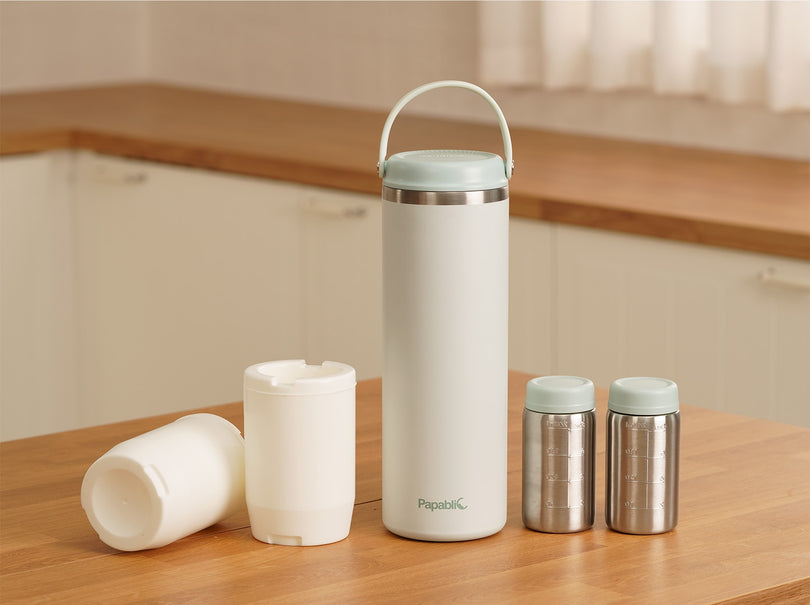
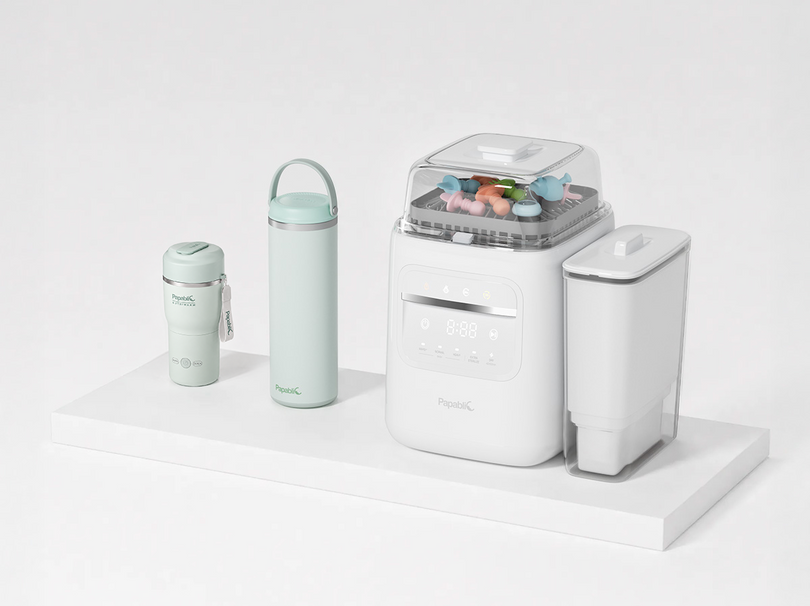
Storing that milk matters just as much as pumping it: keeping it below 40°F (4°C) from pump to handoff protects both quality and safety. A dedicated cooler like the Papablic CapsuleChill™ Breast Milk Cooler holds that temperature all day when you don’t have a shared office fridge or a bag of ice to hand.
Mixed feeding, using both breast milk and formula, is a completely valid choice too.

Factor in Who Else Feeds the Baby
If a partner, grandparent, or daycare provider handles some feeds, build that into the schedule from the start rather than treating it as an exception. Show them how each feed actually works, including how to wake a newborn baby to feed, so the handoff goes smoothly whether you're there or not.
Write down who feeds when. A schedule that only exists in your head is hard for anyone else to follow.
What a Sustainable Schedule Looks Like in Practice
There's no single right answer. What works depends on your hours, your support system, and how many kids you're feeding, as the examples below show.
|
Situation |
Typical Feed Pattern |
Key Adjustment |
|
Working Parents |
Feed before leaving, pumped milk or formula during work hours, feed on return and overnight |
Batch-prep bottles the night before to cut morning stress |
|
Stay-at-Home Parents |
Feeds spread more loosely through the day, following baby's cues |
Build in nap-time windows for household tasks instead of a rigid clock |
|
Multi-Child Families |
Overlap feeds with an older child's meals or activities where possible |
Keep feeding supplies stocked and pre-portioned to reduce mid-feed scrambling |
Working parents often do best with a tight morning and evening routine, leaving daytime feeds to whoever else is caring for the baby. Stay-at-home parents usually have more room to feed on demand, with a loose rhythm around naps keeping the day predictable. Multi-child households benefit most from batching tasks, like prepping several bottles at once, so one feed doesn't derail everything else.
The Part Most Schedules Leave Out: Prep and Cleanup
How much time should you budget around each feed? Prep and cleanup deserve their own space on the schedule, not just the active feeding minutes. Washing bottles by hand, sterilizing parts, and drying everything adds up fast when you're doing it several times a day, depending on how many baby bottles you need.
A lot of otherwise solid schedules break down right here, since parents plan for the feed but not for what surrounds it. Without a dedicated washer, you're left hand-washing and sterilizing each bottle one at a time, then double-checking that it's actually clean. That's time you don't have to spare between feeds.
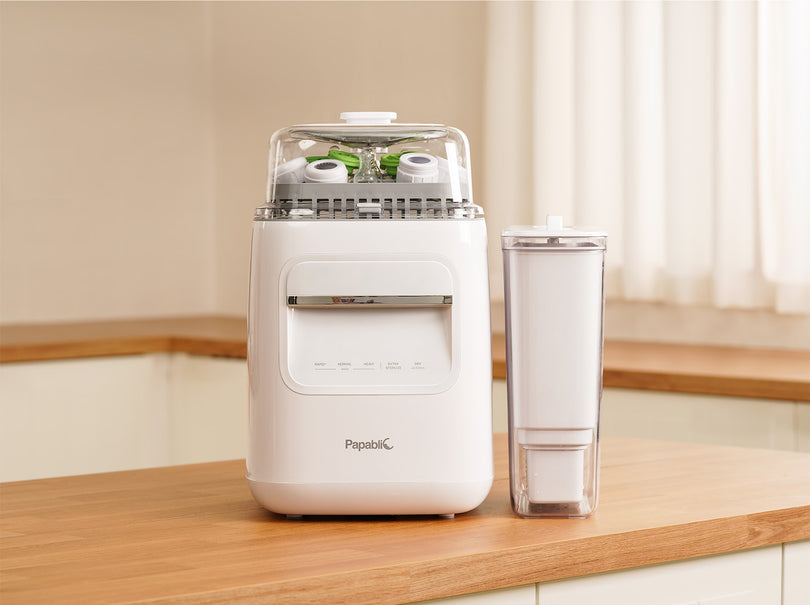
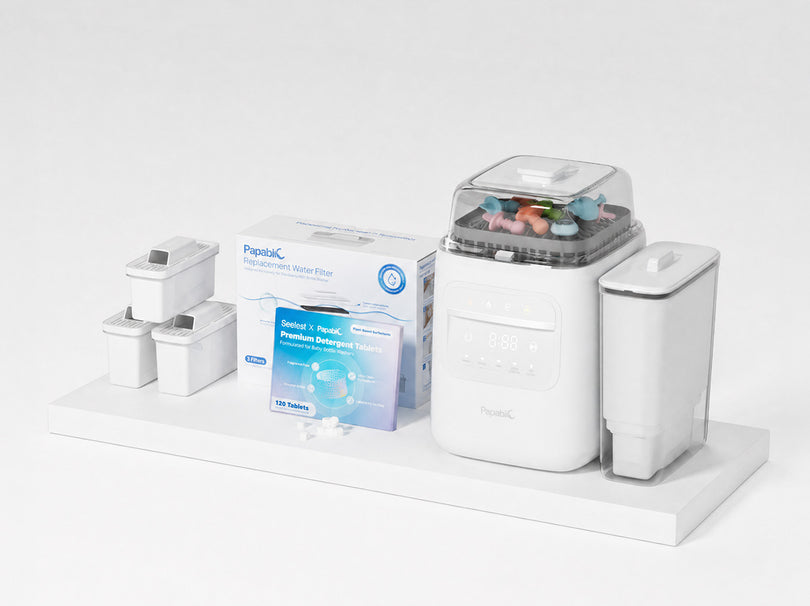
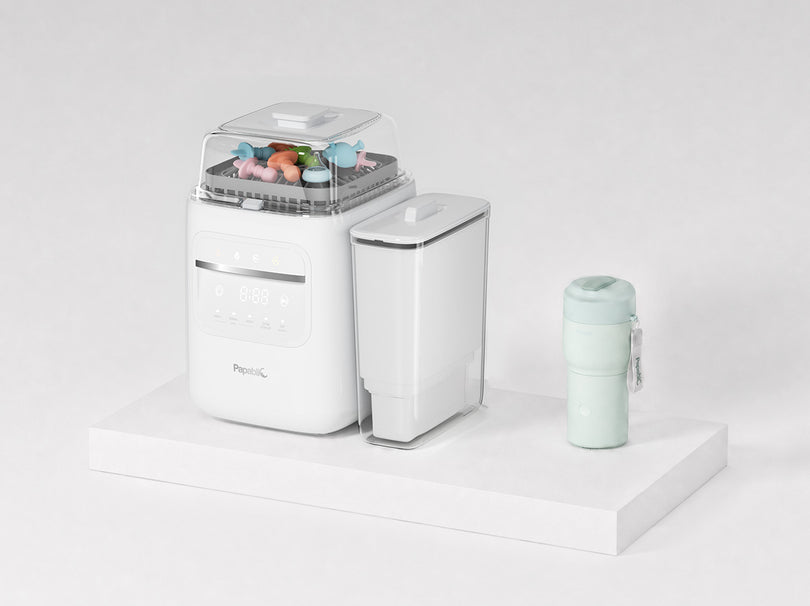
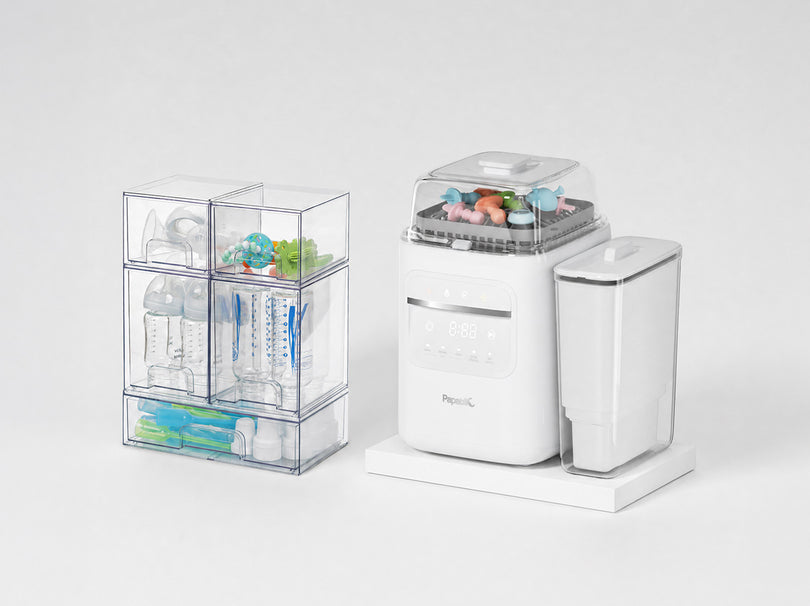
The Papablic SafeguardPlus™ Baby Bottle Washer System takes that step off your plate entirely, handling up to 8 bottle sets, or 2 pump part sets in a single cycle. Its built-in PurifyClean™ water filter purifies the water before the cycle washes, sterilizes, dries, and stores everything, so you're not standing at the sink scrubbing parts by hand.
Build that kind of batch cleanup into your schedule from the start, and you're far less likely to abandon it by week two.

Adjusting the Schedule as Baby Grows
How often should you change your baby's feeding schedule? Expect to revisit it every few weeks in the first year, since feeding needs shift fast. A newborn schedule built around frequent, small feeds looks nothing like what a six-month-old on solids needs, and holding onto an outdated routine usually causes more stress than adjusting it.
Watch for signs the current schedule isn't fitting: more frequent hunger cues, longer stretches of fullness, or a baby resisting a feed time that used to work. This is often the same window where parents start considering when to introduce a bottle to a breastfed baby, since a growing baby's needs can shift faster than a feeding method built around one option. Treat the schedule as a living document, not a fixed plan.
Frequently Asked Questions
How Do I Know if My Feeding Schedule Is Working?
Your schedule is working if your baby is gaining weight steadily, feeding without excessive fussiness, and your household can actually keep up with it day after day. A schedule that looks good on paper but leaves you constantly behind isn't sustainable. Watch how your baby and household are doing, not just the clock.
Should I Follow a Strict Schedule or Feed on Demand?
Most families do best with a hybrid: a loose routine with flexibility built in, rather than a rigid timetable or pure on-demand feeding. A general rhythm helps you plan your day, while flexibility lets you respond to your baby's actual hunger cues. Watching for signs of overfeeding, like excessive spit-up, helps you fine-tune the balance.
How Do I Handle Feeding When Traveling or off Routine?
Keep the core structure, like roughly how often your baby eats, while letting exact timing flex around travel logistics. Pack extra supplies, since delays are common when you're away from home. Sticking to your baby's usual feeding method keeps at least one part of the day familiar even when everything else has changed.
Anchor, Adapt, Sustain: A Feeding Schedule Built for Real Life
A sustainable baby feeding schedule isn't the one that looks most organized. It's the one that fits your work hours, your support system, and the number of kids you're feeding, and that you can still follow on a hard day. Start with your non-negotiables, match your feeding method to your lifestyle, and plan for prep and cleanup, not just the feed.
That last part is where the Papablic SafeguardPlus™ Baby Bottle Washer System fits naturally into a working parent's routine. With 99.99% germ reduction and 72-hour hygienic storage, it takes one of the most time-consuming parts of feeding off your plate, so the schedule you build is one you can keep. Explore the SafeguardPlus™ system to see how it fits into your day.