What I Wish I Knew Before Choosing Breastfeeding vs Bottle Feeding: L&

What I Wish I Knew Before Choosing Breastfeeding vs Bottle Feeding: L&

Skip to content

Cart

Your cart is empty

What I Wish I Knew Before Choosing Breastfeeding vs Bottle Feeding: L&D Nurse Tips for New Moms

What I Wish I Knew Before Choosing Breastfeeding vs Bottle Feeding: L&D Nurse Tips for New Moms

Are you deciding between breastfeeding vs bottle feeding? There is no one-size-fits-all “right” feeding choice for every family. L&D nurse’s guide helps you find a sustainable routine that works for you.
How to Clean & Sterilize Breast Pump Parts Properly: A Complete Hygiene Guide for Moms Reading What I Wish I Knew Before Choosing Breastfeeding vs Bottle Feeding: L&D Nurse Tips for New Moms 16 minutes

As a Labor & Delivery nurse and mother of two, I hear the same question from expecting parents every single day during clinic visits and prenatal seminars: Should I breastfeeding or bottle feeding my baby?

There is no one-size-fits-all “right” feeding choice for every family. The best feeding plan is the one that supports both your baby’s nutritional needs and your family’s physical, emotional, and practical situation. Breastfeeding, bottle feeding, and combination feeding can all support healthy newborn growth when parents follow safe feeding practices, maintain proper hygiene, and receive appropriate guidance.

Before your baby arrives, understanding the benefits, challenges, and preparation of each option can help you feel more confident during those first weeks at home.


What Are The Key Differences Between Breastfeeding vs Bottle Feeding?

Breastfeeding and bottle feeding are two different newborn feeding approaches, each with its operational logic, daily time commitments, hygiene rules and prep demands. Breastfeeding relies on natural maternal milk supply and direct latching, requiring consistent parental availability and lactation maintenance habits. Bottle feeding includes both formula feeding and pumped breast milk feeding, offering flexible feeding arrangements that allow other caregivers to participate in newborn care.

Multiple top-tier global health authorities publish unified, evidence-based infant feeding frameworks to guide expecting families, including the CDC and AAP. While all leading organizations prioritize breast milk as the gold-standard nutrition for most infants, they universally confirm that properly executed bottle feeding with formula or pumped breast milk fully supports healthy newborn growth and development for families who need or prefer this route.
Breastfeeding Bottle Feeding
Milk source Direct breast milk feeding Formula or pumped breast milk
Main caregiver involvement Primarily requires the breastfeeding parent Allows partners and caregivers to participate
Feeding flexibility Requires parent availability or pumping preparation Easier to share feeding responsibilities
Tracking intake More difficult to measure exact volume Easier to monitor ounces consumed
Equipment needs Fewer supplies initially Requires bottles, nipples, cleaning supplies
Hygiene focus Mainly pump parts if expressing milk Daily bottle cleaning and sanitizing
Work/travel planning Requires pumping and milk storage plans Often easier for outside caregivers

Why Parents Choose Breastfeeding: The Benefits They Hope For

The CDC and AAP recommend breastfeeding whenever possible, as breast milk provides important nutrients and immune-supporting components for infants, with long-term health benefits for both babies and parents. The AAP recommends exclusive breastfeeding for the first six months, followed by continued breastfeeding with complementary foods for 12 months or longer, and up to two years or beyond if mutually preferred. Beyond medical guidelines, breastfeeding also brings practical daily advantages and emotional benefits for families.

Breastfeeding provides dual health protection for both your baby and yourself. The custom antibodies of breast milk help lower infants’ risks of asthma, gastrointestinal issues, SIDS, and childhood obesity, while reducing a parent’s long-term risks of breast cancer, ovarian cancer, and type 2 diabetes. It also avoids common bottle-feeding risks such as formula mixing mistakes and water contamination concerns.

Beyond physical health, regular skin-to-skin contact and close interaction during breastfeeding build intimate parent-baby bonding. That said, secure emotional connection is not limited to breastfeeding; bottle-feeding parents can also cultivate strong parent-baby attachment through attentive holding, eye contact, and responsive feeding.


The Part Nobody Warns You About: Breastfeeding Can Be Hard at First

While breastfeeding has many benefits, expecting parents should also understand the realities. One common misconception I hear from new parents is: “I thought breastfeeding would happen naturally immediately.” The truth is, for many families, breastfeeding is a learned skill that both parent and baby figure out together over time.

To start, physical discomfort is extremely common during the early postpartum period. Breastfeeding challenges may include sore nipples, latch difficulties, engorgement, and inconsistent milk supply. Support from nurses, lactation consultants, and healthcare providers can help parents overcome many early challenges.

Beyond physical hurdles, exclusive breastfeeding demands nearly all of your daily and nighttime availability. Since feeding falls mainly to the birthing parent, it leaves little room for independent rest, travel, returning to work or dedicated care time for other children at home. Many families introduce pumping or combination feeding to create much-needed schedule flexibility as their routine evolves.


Even with pumping as a workaround for more freedom, this step brings its own set of extra tasks. Many breastfeeding parents eventually pump milk to create flexibility. However, pumping adds another routine like cleaning pump parts, storing milk safely, labeling milk containers and maintaining pump hygiene. For working parents, preparing a realistic pumping and storage plan before returning to work can reduce stress.

“I Want My Partner to Help Too”: Why Many Families Choose Bottle Feeding

Bottle feeding includes both formula feeding and feeding expressed breast milk through bottles. The CDC and AAP recognize that properly prepared infant formula and expressed breast milk can provide appropriate nutrition for babies when breastfeeding is not possible, not preferred, or does not fit a family’s circumstances. For many families, bottle feeding provides the flexibility they need during the newborn stage.

One of the biggest and most practical advantages of bottle feeding is shared caregiving, which greatly reduces burnout for new parents. Feeding your baby no longer falls solely on one parent. Partners, grandparents and other relatives can all take turns feeding, which eases pressure for dual-working households, parents recovering from birth, families relying on outside childcare, or anyone hoping to split overnight wake-ups evenly. Most expecting caregivers underestimate how draining round-the-clock infant care becomes, and splitting feeding shifts protects your much-needed postpartum rest and physical healing.

Aside from easier teamwork, bottle feeding brings unique visibility to your baby’s daily feeding habits that breastfeeding cannot offer. Tracking your baby’s milk intake becomes straightforward with bottle feeds. You can clearly see exactly how many ounces your little one consumes at every meal, removing constant anxiety over whether they hit the feeding volume targets recommended by your pediatrician. This transparency builds steady parental confidence through the unpredictable newborn phase.

Beyond shared responsibility and clear intake tracking, bottle feeding delivers unmatched lifestyle adaptability for modern households. Bottle feeding easily adapts to irregular, busy modern lifestyles. It works seamlessly for families with erratic work timetables, frequent travel plans, regular childcare handoffs between caregivers, and parents returning to full-time employment. You can continue offering pumped breast milk for as long as you like, or slowly transition to formula whenever your family’s needs shift.

The Hidden Work of Bottle Feeding: Cleaning, Sterilizing, and Preparing Bottles

For all its scheduling flexibility, bottle feeding introduces nonstop repetitive daily tasks centered on washing, sanitizing and prepping feeding equipment after every single meal. These cleaning responsibilities become a permanent part of your kitchen routine throughout your baby’s first year of life.

Every feed creates multiple small items that require thorough cleaning: bottle bodies, soft nipples, connecting collars, caps and all removable pump accessories. All plastic and silicone parts must air-dry fully to stop bacterial growth, and the CDC mandates regular sanitization for newborns, premature babies and infants with weakened immune systems. The first few months of parenthood mean washing dozens of separate feeding pieces daily, so many parents search for automated tools like a bottle washer to cut down on hours of manual scrubbing.

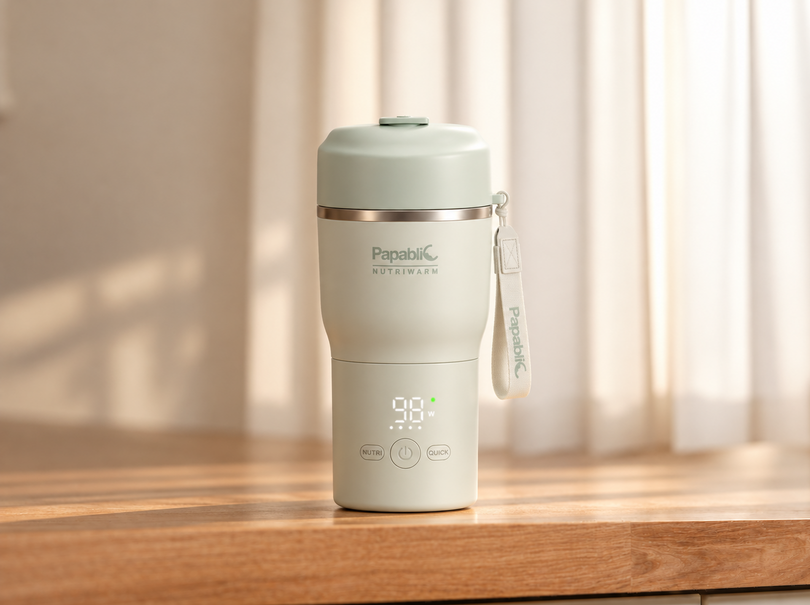
In addition to endless cleaning work, bottle feeding also requires far more dedicated supplies compared to breast feeding alone. Essential gear includes multiple baby bottles, replacement slow-flow nipples, bottle cleaning brushes, drying racks, standalone steam sterilizers, airtight formula storage containers, bottle warmers and portable travel feeding kits. Most pregnant parents only research bottle shapes and ignore the long-term cleaning workflow, yet consistent daily sanitization matters just as much as the bottles you select.

Beyond equipment management and daily sanitizing routines, formula preparation adds another critical layer of safety responsibility for caregivers. Anyone mixing formula at home must follow strict water safety protocols to protect their baby’s health. Common parental questions revolve around tap water safety, whether boiling or filtration is necessary, and safe storage timelines for prepared formula. The correct approach depends on your local water quality, your baby’s unique health status, pediatric guidance and printed formula instructions. The CDC publishes clear public guidance for safe formula mixing and storage, and home water filtration systems ease anxiety for families living in areas with documented tap water contaminants like lead or PFAS.

Why Combination Feeding Works for Real-Life Parenting

Most pregnant parents assume they must fully commit to either breastfeeding or bottle feeding, but mixed combination feeding has become the most popular balanced feeding choice for today’s households. It blends direct nursing, pumped breast milk bottle feeds and formula supplementation, allowing you retain breast milk’s immune benefits while unlocking the flexible shared care bottle feeds provide.

One of its biggest practical strength shows up in daily family care routines. You keep supplying nutrient-rich breast milk to your baby while letting your partner take over regular feeding shifts with stored pumped milk. It supports parents returning to full-time work, who can stock frozen breast milk ahead of office hours and supplement with formula if their natural supply dips temporarily, creating a sustainable long-term routine without forcing you to give up nursing entirely.

Beyond daily convenience for working and co-parenting families, combination feeding also brings much-needed flexibility as your life changes after birth. Your feeding plan acts as a flexible starting point, not an unchangeable rulebook. Postpartum physical healing, fluctuating milk supply, shifting work schedules, your baby’s individual feeding preferences and evolving sleep demands all create valid reasons to adjust your routine months after birth. Choosing combination feeding eliminates the guilt and pressure many new parents feel when their original prenatal feeding plan stops fitting their daily reality.

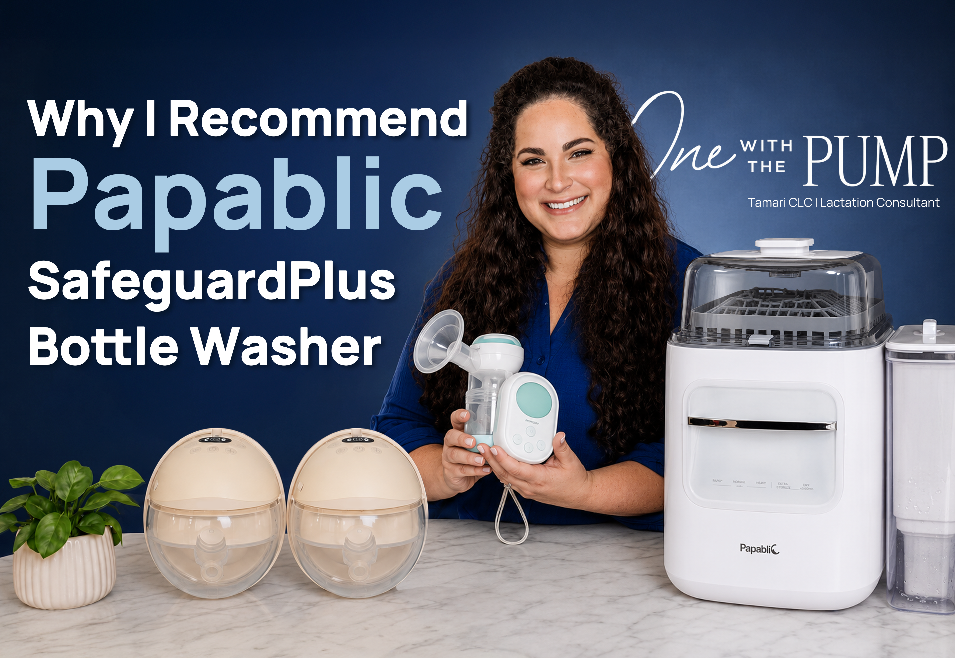
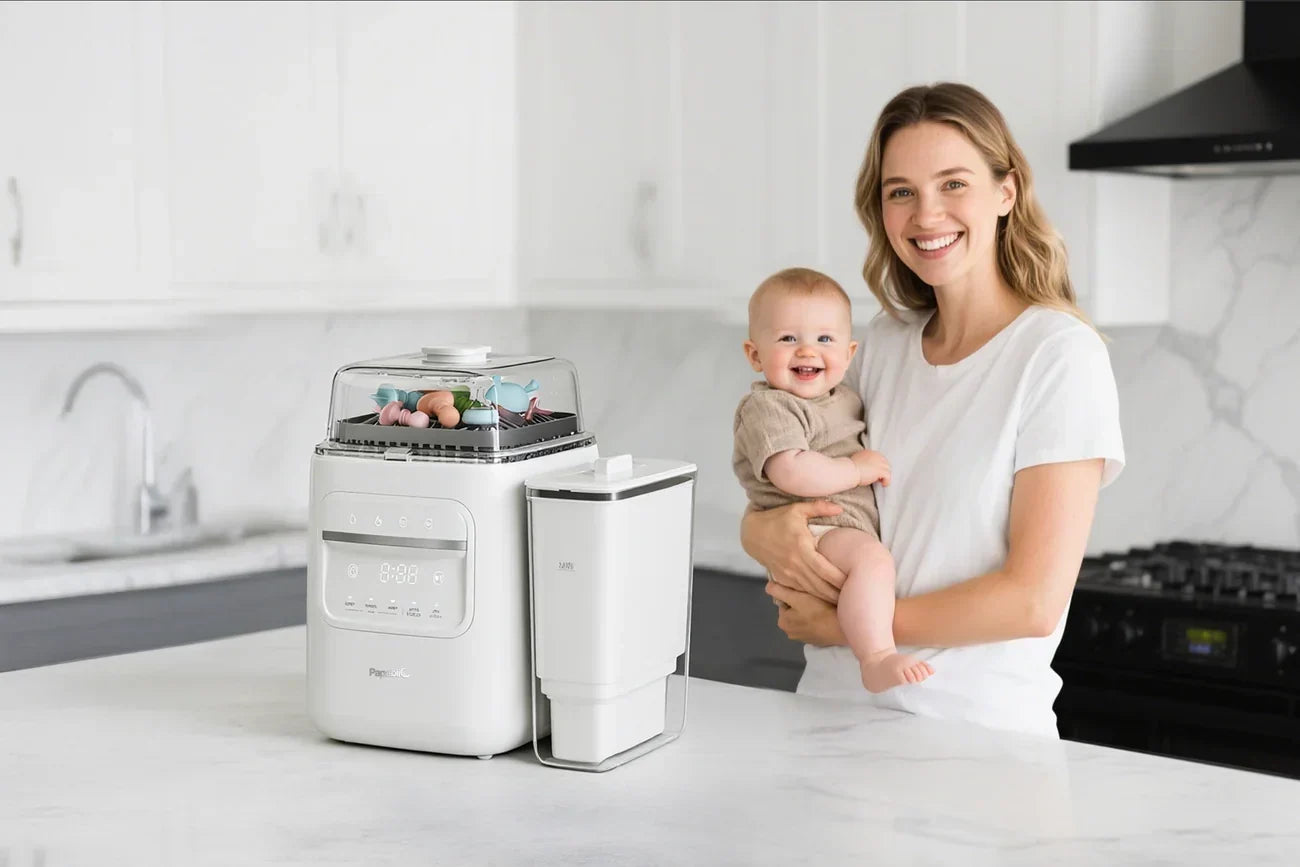
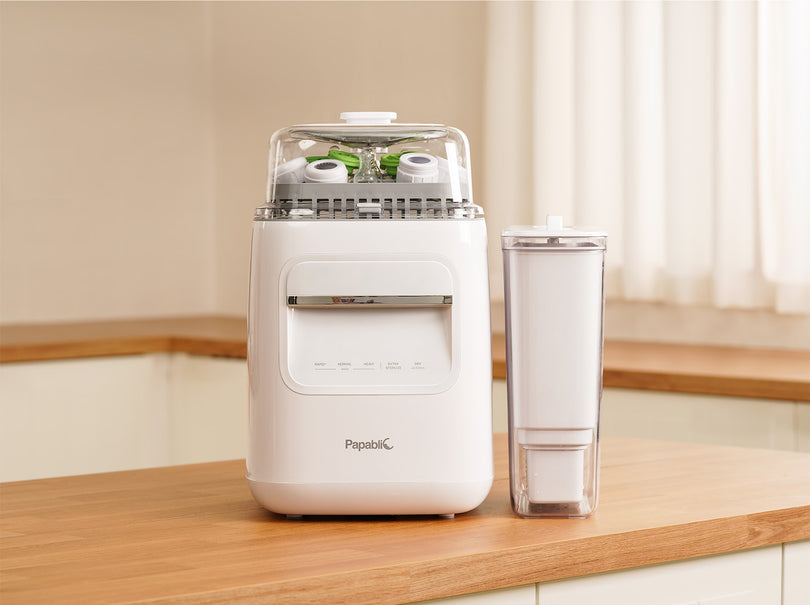
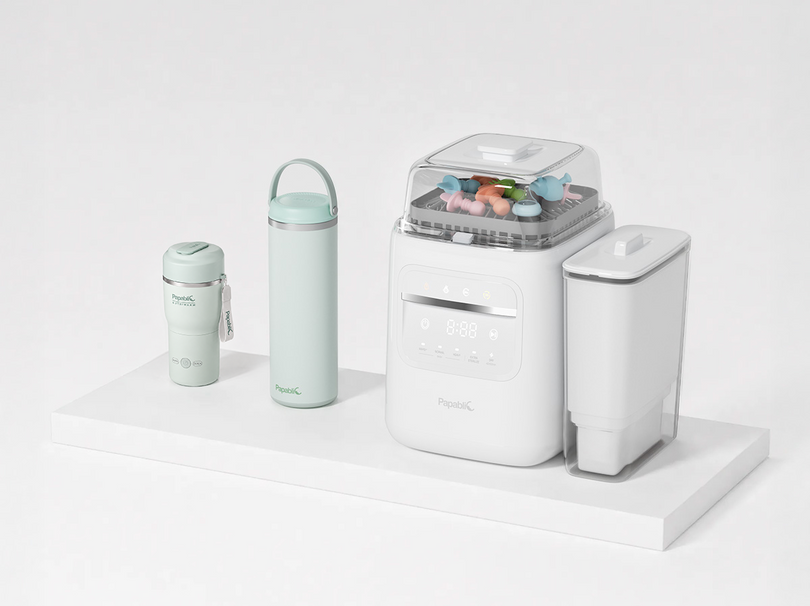
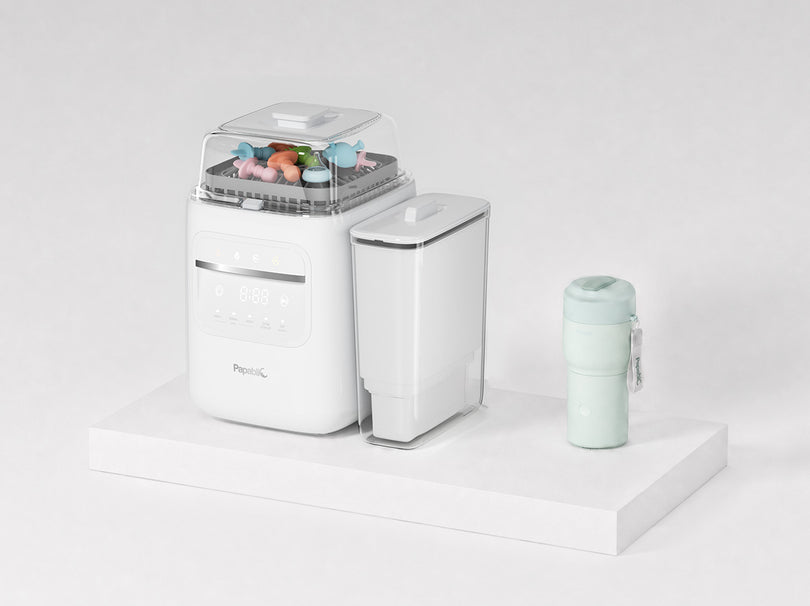
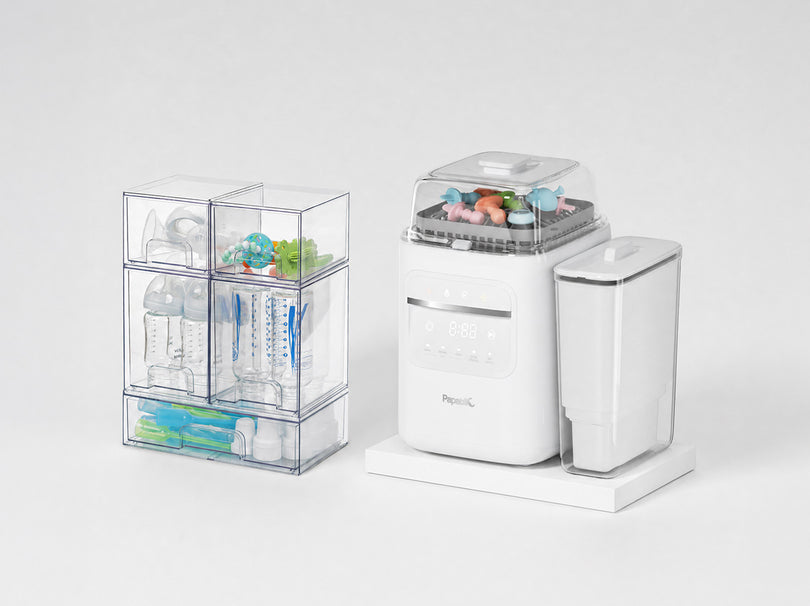
While combination feeding resolves many hurdles, it also creates extra daily chores to manage both breast pump parts and bottles. Instead of scrubbing each piece by hand, boiling water for sanitization, and waiting hours for air-drying, many parents opt for an all-in-one organized bottle washer like the Papablic SafeguardPlus™ Baby Bottle Washer System. This convenient tool eliminates repetitive manual labor, ensures thorough, consistent sanitation of all feeding gear, and frees up precious spare time for new caregivers.

How Do I Know Which Feeding Method Is Right for My Family?

Rather than searching for a one-size-fits-all “perfect” feeding method, look for a routine your whole family can sustain safely without constant burnout. Three key personal factors will determine which feeding approach works best after your baby arrives.

First and foremost, your personal postpartum recovery journey should guide your feeding choice fully. Every delivery type carries different physical limits, and your energy levels, underlying health conditions and healing timeline directly impact how sustainable intensive nursing or constant bottle prep will feel day-to-day. The feeding routine you select should support your recovery rather than adding extra physical and mental strain during a vulnerable healing window.

Beyond your physical recovery, the amount of consistent support available in your household heavily influences your feeding experience. Take time to evaluate whether your partner can split feeding duties evenly, if family members offer regular childcare help, how quickly you plan to return to work, and whether you will handle most newborn care tasks alone. Households with limited outside support often find bottle or combination feeding far less exhausting than exclusive breastfeeding.

Lastly, your regular lifestyle habits are a critical deciding factor. Families with frequent travel, shared childcare arrangements and demanding full-time careers almost always thrive with bottle or combination feeding options. Parents staying home full-time who prefer minimal baby gear and close direct skin-to-skin contact often find exclusive breastfeeding the most low-effort daily solution. There is no universal perfect feeding path; the ideal choice always aligns with your household’s unique daily rhythm.

Prenatal Feeding Preparation Checklist: What to Do Before Your Baby Arrives

Getting ready for infant feeding does not mean purchasing every baby product on the market. The core goal is building safe, repeatable routines that hold up when you’re exhausted, healing, and adjusting to life with a newborn. As an L&D nurse, I always remind expecting parents that the early weeks don’t demand perfection—only simple, sustainable safety habits. Focus on these key preparation before delivery day.
Master Basic Newborn Feeding Knowledge: Learn feeding frequency, hunger cues, milk sufficiency signs, breast milk storage rules and lactation support access to avoid postpartum anxiety.
Stock Targeted Feeding Essentials: Purchase supplies matched to breastfeeding, bottle feeding or combination feeding; avoid bulk pre-buying as baby’s preferences vary after birth.
  • Breastfeeding supplies: Nursing bras, breast pads, nursing pillow, nipple cream, breast pump and milk storage bags; add cooler and sealed containers for frequent pumping.
  • Bottle feeding supplies: Bottles, replacement nipples, cleaning brush, drying rack, sterilizer, bottle warmer and formula storage containers; prioritize a simple daily cleaning workflow.
  • Combination feeding supplies: Complete pumping sets, bottles, milk storage vessels and dedicated cleaning tools, or streamline your daily cleaning routine with a bottle washer that can handle both bottles and pump parts.

Build Standard Bottle Cleaning Routine: Follow CDC sanitization standards to wash residue, fully air-dry all parts and apply age-specific disinfection to reduce bacterial contamination risks.
Plan For Household Water Safety: Check local water quality and CDC formula preparation guidelines; use water filters to ease worries about tap water contaminants when mixing formula.
Optimize Postpartum Daily Workflow: Create an organized feeding system to simplify feed prep, gear cleanup, equipment storage and supply restocking, lowering mental fatigue during recovery.

One Overlooked Step Beyond Choosing Your Feeding Style: Proper Bottle Hygiene

After mapping out your prenatal feeding supply checklist and daily cleaning workflows, many parents still underestimate just how critical thorough bottle hygiene is to their baby’s wellbeing.

Most caregivers prioritize nutritional value when researching infant feeding options, yet proper post-meal cleaning directly determines your baby’s long-term safety. Sticky milk residue gets trapped inside tiny crevices on bottles, nipples and pump parts, creating ideal breeding grounds for harmful bacteria without full daily sanitization.

Water quality also plays an underrated role in safe bottle cleaning. Tap water with mineral buildup or contaminants may leave limescale and hidden impurities on feeding gear, adding extra cleaning hassle for families.

All-in-one automated bottle care tools streamline the full hygiene workflow, combining washing, sanitizing and drying in a single cycle to eliminate hours of repetitive hand scrubbing for frequent uses. Equipped with built-in water filtration, the Papablic SafeguardPlus™ Baby Bottle Washer System filters out tap water impurities like lead and PFAS to ensure cleaner water for every wash. It takes guesswork out of manual cleaning and delivers consistent, thorough sanitation every time, bringing new parents true peace of mind. That’s why more expecting families are adding this to their baby registry ahead of their little one’s arrival.

Final Guidance From a Labor & Delivery Nurse

After supporting hundreds of families through birth and the fragile newborn phase, my core advice stays consistent: pick a feeding method that keeps your baby safe while protecting your physical and mental health as a recovering parent. Some parents hit their exclusive breastfeeding goals, some choose bottle feeding from day one, and countless others find lasting balance with combination feeding. There is no reward for picking the most difficult feeding path; perfection is never the target. Your priority is a thriving baby, supported parents, and a repeatable low-stress daily routine.

Before your baby’s birth, focus on learning all feeding options, gathering practical essential supplies, building consistent safe hygiene habits, and designing a routine your whole household can maintain long-term. Whether you breastfeed, bottle feed, or mix both styles, thorough prenatal preparation builds confidence for new parenthood. Papablic and I continue to support expecting families through educational prenatal resources and user-friendly baby care products designed to cut down on tedious daily chores.

Frequently Asked Questions

Is breastfeeding better than bottle feeding?

No single feeding method works universally for every family. Breast milk delivers unmatched immune and nutritional benefits for babies, while bottle feeding unlocks flexible shared caregiving for busy households. The right choice balances your baby’s health needs, your postpartum recovery, and your family’s daily reality.

Can I switch from breastfeeding to bottle feeding after giving birth?

Absolutely. Most households adjust their feeding approach postpartum due to shifting milk supply, changing infant feeding needs, maternal healing progress, returning work schedules, or evolving family routines. Your feeding plan can shift and adapt freely as time passes.

Can I breastfeed and use formula at the same time?

Yes, combination feeding is a common and safe choice. Families regularly mix direct nursing, pumped breast milk bottles, and formula supplementation to craft a balanced routine that fits their lifestyle.


Subscribe Here

Unlock early access to sales, feeding guides, and free gift chances.