






Table of contents
A breast pumping routine involves much more than the time you spend connected to your pump. After each session, there's milk to store, a baby to feed, and bottles and pump parts to clean before everything starts again. When you're pumping several times a day, these tasks can quickly take over your schedule.
The key to a more manageable routine is to simplify each step, from expressing and storing breast milk to preparing feeds and cleaning your equipment. Here's how to build a practical routine that works from pump to feed and back again.
Pumping and Storing Breast Milk: Start With a Safe Routine
Before pumping, wash your hands, check that your pump parts are clean and dry, and prepare clean breast milk storage bags or food-grade containers with secure lids. After expressing milk, label it with the date and time, then refrigerate or freeze it according to when you plan to use it.
The CDC provides the following general storage guidelines for freshly expressed breast milk:
| Storage location | Recommended storage time |
| Room temperature at 77°F (25°C) or cooler | Up to 4 hours |
| Refrigerator at 40°F (4°C) | Up to 4 days |
| Freezer at 0°F (-18°C) or colder | 6 months is best; up to 12 months is acceptable |
These recommendations assume appropriate handling and storage conditions. If you don't expect to use freshly expressed milk within four days, freezing it sooner can help preserve its quality. Store milk toward the back of the refrigerator or freezer rather than in the door, where temperatures fluctuate more.
If you're freezing milk, storing it in smaller portions can also make the next feeding easier. You can thaw only what you expect your baby to drink instead of preparing a large amount and potentially wasting the remainder.

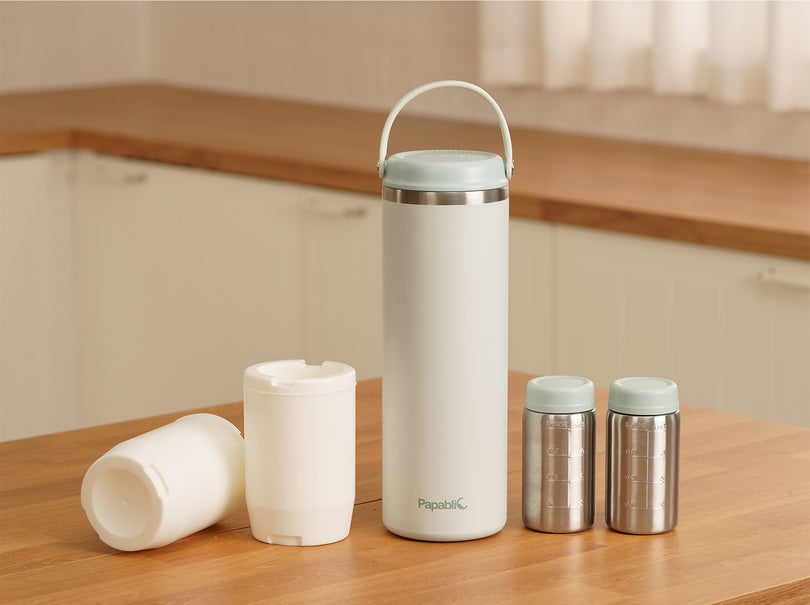
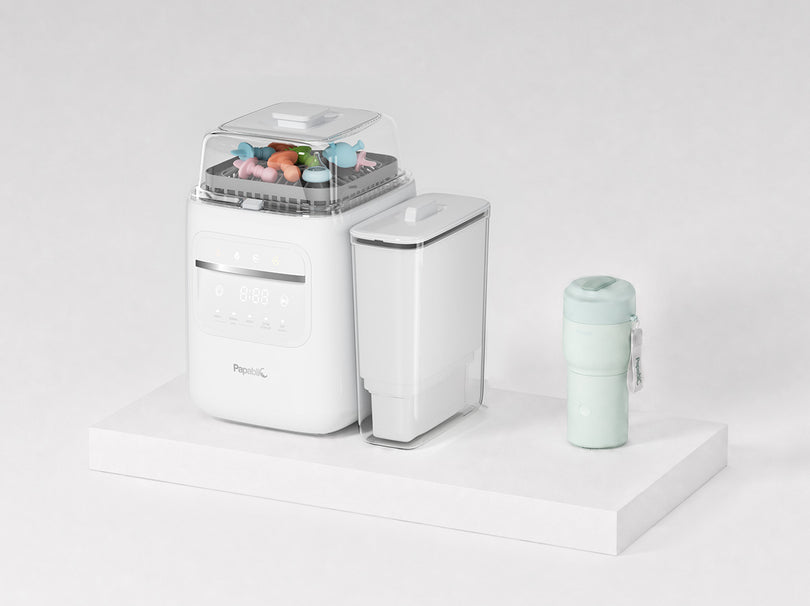
If you're pumping at work, commuting, or spending the day away from home, keeping expressed milk cold becomes another part of your routine. That's where the Papablic CapsuleChill™ Breast Milk Cooler comes in. Designed for on-the-go milk storage, it combines independent stainless steel bottles with ice chambers to help keep expressed breast milk cold while you're away from home. It's a practical option for parents who need to transport milk between pumping sessions and the next feeding, without relying on immediate access to a refrigerator.
Warming Breast Milk: Get It Ready for the Next Feed
Breast milk doesn't have to be warmed. Many babies will happily drink it cold or at room temperature. If your baby prefers warm milk, you can warm the sealed storage container in a bowl of warm water or hold it under warm running water for a few minutes.
A few things to keep in mind:
- Keep the container sealed while warming the milk.
- Never microwave breast milk or heat it directly on the stove. Microwaves can create hot spots that may burn your baby's mouth.
- Gently swirl the container to redistribute the fat that may have separated during storage.
- Test the temperature by placing a few drops on your wrist before feeding.
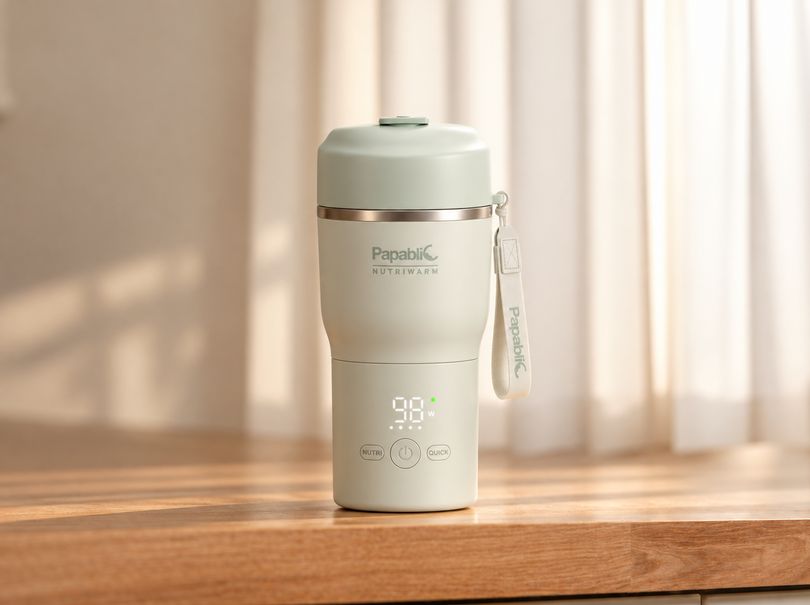
For parents managing late-night feeds or feeding their babies away from home, a portable bottle warmer can make milk preparation more convenient. The Papablic NutriWarm™ Portable Bottle Warmer offers a portable option for warming milk, whether you're getting ready for a feed in the middle of the night or preparing a bottle while traveling or spending the day out. Having a warming option ready can make these moments easier to manage without having to find warm running water each time.

If you're using frozen milk, thaw it in the refrigerator or in warm or lukewarm water. Once completely thawed in the refrigerator, use it within 24 hours. Once breast milk has been brought to room temperature or warmed, use it within two hours.
Feeding Your Baby: Keep the Routine Practical
Once the milk is ready, use a clean bottle and nipple, prepare an amount your baby is likely to drink, and follow your baby's hunger cues. You don't need to warm every bottle or prepare more milk than necessary. Smaller portions can be especially helpful when you're using thawed milk and want to reduce waste.
If your baby doesn't finish a bottle, the CDC recommends using the leftover breast milk within two hours after the feeding ends. Discard any remaining milk after that period. Once feeding is over, the bottle, nipple, and any pump parts used during the session need attention, too—which brings us to one of the most repetitive parts of the pumping routine.
How to Clean Breast Pump Parts and Bottles After Every Feed
Cleaning is one of the most repetitive parts of pumping, but it's also an important part of keeping feeding equipment safe to use.
Milk residue can remain around valves, membranes, connectors, and other small parts, even when the pieces look clean at a glance. According to the CDC, pump parts that come into contact with breast milk should be cleaned after every use.
1. Disassemble the Pump Parts After Every Use
After each pumping session, disassemble all parts that come into contact with breast milk, including flanges, valves, membranes, connectors, and collection bottles. This helps ensure that milk residue isn't left behind in small components that are easy to overlook.
2. Clean Promptly and Thoroughly
Clean pump parts as soon as possible after pumping. Wash them by hand or use a dishwasher if the parts are dishwasher-safe and the manufacturer's instructions allow it.
For handwashing, the CDC recommends using a clean basin dedicated to infant feeding items rather than placing parts directly in the kitchen sink. Wash each component with soap and water, paying particular attention to valves, membranes, and connectors. Use a small brush only if the manufacturer permits it, then rinse thoroughly.
3. Sanitize When Needed
Cleaning removes milk residue and dirt, while sanitizing provides an additional level of germ reduction. The CDC recommends sanitizing pump parts at least once daily for extra protection, especially for babies younger than two months, babies born prematurely, or babies with weakened immune systems.
Depending on the equipment, sanitizing may involve boiling, steam, or a dishwasher's sanitizing setting.
4. Let Everything Dry Completely Before Storing
Place cleaned parts on a clean, unused dish towel or paper towel in an area protected from dirt and dust, and let them air-dry completely. Avoid rubbing or patting them dry with a kitchen towel, which can transfer germs back onto the equipment.
Once dry, store the parts in a clean, protected place until the next session. If you notice mold inside breast pump tubing, replace the tubing rather than trying to clean and reuse it.
5. Make Repeated Cleaning Easier to Manage
Knowing how to clean pump parts safely is one thing; finding the time to repeat the process throughout the day is another. When you're pumping several times a day, washing flanges, valves, bottles, and other accessories can quickly become a recurring chore.
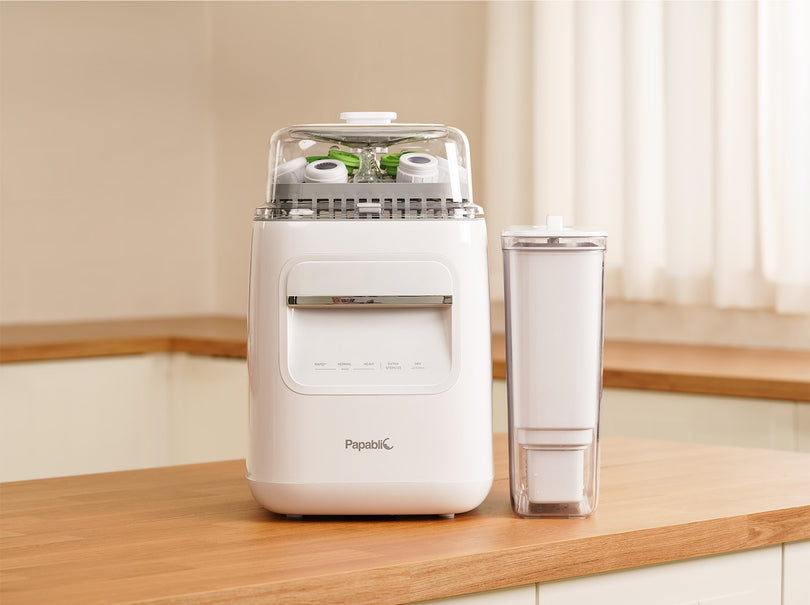
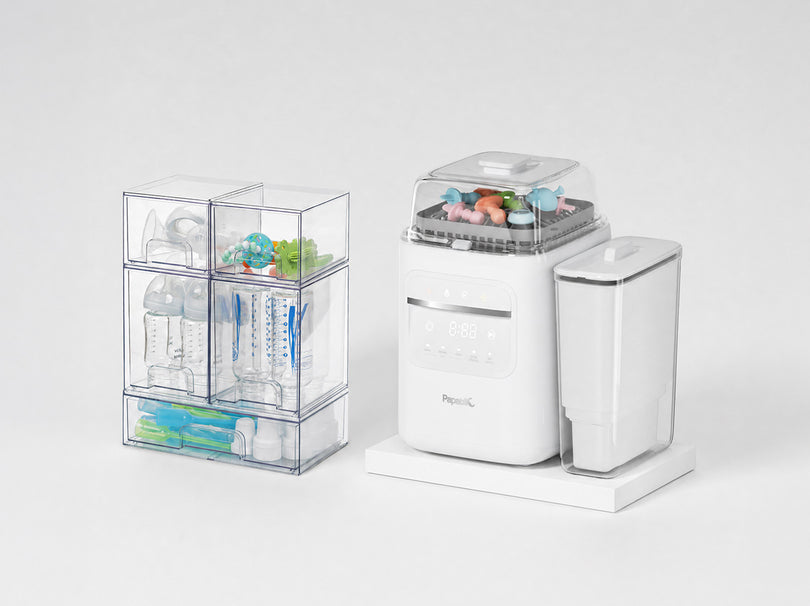
The Papablic SafeguardPlus™ Baby Bottle Washer System is designed to wash, sterilize, dry, and store pump parts and feeding accessories. With room for up to two breast pump sets or eight bottles with accessories, it lets you handle more of your daily cleaning in one batch instead of washing everything by hand after every session. Once the cycle is complete, the parts can dry and stay stored in the system until you need them again. This helps bring several steps of the cleanup process together, making a frequent pumping routine easier to manage without compromising proper cleaning practices.

It also features built-in water filtration and softening to help address water-quality concerns, including mineral buildup and water spots. For parents who feel uneasy when they notice deposits on feeding equipment, this added water treatment can offer extra peace of mind as part of the cleaning routine.
Build a Pumping Routine You Can Repeat Every Day
A practical breast pumping routine doesn't have to be complicated. Think of it as a repeating cycle: Pump → Store → Warm (when needed) → Feed → Clean → Dry → Repeat. Preparing storage containers in advance, keeping feeding supplies organized, and choosing a cleaning method that suits the number of bottles and pump parts you use can help reduce unnecessary work.
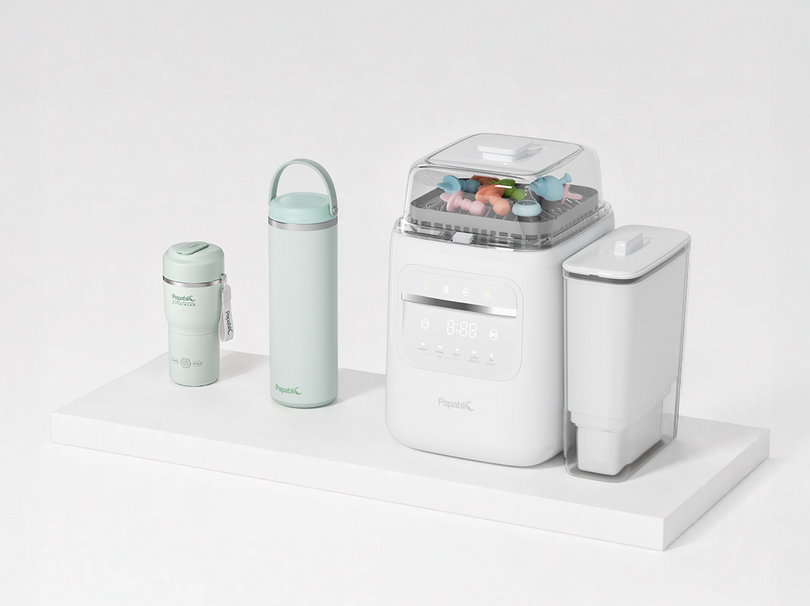
The real challenge isn't always pumping itself; it's everything that follows—and the fact that it all happens again a few hours later. That's where having the right tools for each step can make a difference. From keeping expressed milk chilled with the Breast Milk Cooler, to preparing bottles with the Portable Bottle Warmer and cleaning compatible pump parts with the Baby Bottle Washer System, each product can help take some of the repetitive work out of your day.
If you're looking to simplify more than one part of your feeding routine, explore the Papablic SafeguardPlus™ Smart Feeding System Plus for a more connected approach to everyday feeding. The goal isn't to add more steps or products to your life—it's to make the steps you already repeat easier to manage, so your routine works for your family rather than taking over your day.

FAQs
How often should I clean breast pump parts?
Breast pump parts that come into contact with milk should be cleaned after every use. If you're pumping multiple times a day, that can mean washing flanges, valves, membranes, and bottles repeatedly. The Papablic SafeguardPlus™ Baby Bottle Washer System helps streamline this routine by washing, sterilizing, drying, and storing compatible feeding accessories in one system.
Do breast pump parts need to be sanitized after every use?
Not necessarily. The CDC recommends daily sanitizing for extra protection, particularly for babies younger than two months, babies born prematurely, or babies with weakened immune systems. For older, healthy babies, daily sanitizing may not be necessary when parts are carefully cleaned after every use. Always follow your pump manufacturer's instructions and the cleaning system's guidelines.
Why do I see water spots or mineral buildup on my breast pump parts?
Water spots and white deposits can be caused by minerals in hard water. Seeing buildup on feeding equipment can be concerning when you're trying to keep everything clean for your baby. Papablic SafeguardPlus™ features built-in water filtration and softening to help address water-quality concerns, including mineral-related deposits, while bringing washing, sterilizing, drying, and storage together in one routine.