
You pull a bottle of breast milk from the fridge, get distracted for an hour, and suddenly wonder if it's still good. It's a scenario that trips up even the most organized parents: how long can refrigerated breast milk sit out before it needs to go back in the fridge or get tossed? With Baby Safety Month underway, it's a fitting time to nail down the exact answer instead of guessing. The answer depends on whether the milk is freshly pumped, straight from the fridge, or previously frozen, and each type follows its own timeline.
Here's exactly how long refrigerated breast milk stays safe at every stage, so you can stop second-guessing and start feeding with confidence.
Key Takeaways
-
Freshly pumped milk lasts up to 4 hours at room temperature; refrigerated milk drops to just 2 hours once it's out.
-
Thawed, previously frozen milk is only safe at room temperature for 1 to 2 hours.
-
Milk your baby has fed from should be used within 2 hours, then discarded, never saved.
-
You can return milk to the fridge only if it hasn't been warmed or fed from and is still within its original window.
-
Warmer rooms shorten every timeframe, so refrigerate sooner on hot days.
How Long Can Breast Milk Sit Out at Room Temperature?
The safe window for breast milk at room temperature changes depending on where it's coming from. Freshly pumped milk gets the longest window, milk that's been refrigerated and then warmed or brought to room temperature gets a shorter one, and thawed frozen milk gets the shortest window of all. Here's how the timeframes break down at 77°F (25°C) or below.
|
Milk Type |
Safe at Room Temperature |
Best Practice |
|
Freshly pumped |
Up to 4 hours |
Use within 4 hours or refrigerate right away |
|
Refrigerated, then warmed or brought to room temp |
Up to 2 hours |
Use within 2 hours; don't return to the fridge |
|
Thawed, previously frozen |
1 to 2 hours |
Use within 2 hours; never refreeze |
|
Leftover from a feeding |
Up to 2 hours after baby stops feeding |
Discard after 2 hours |
Freshly Pumped Milk
Freshly pumped breast milk can stay at room temperature for up to 4 hours before it needs to be refrigerated or used, as long as the room stays at 77°F (25°C) or cooler. Milk straight from the breast or pump still carries antibacterial properties that haven't been disturbed by chilling, warming, or handling, which is part of why it holds up longer than milk that's already been through a storage cycle. Keep it in a covered container out of direct sunlight to get the full window.
Milk Taken Straight from the Fridge
Once you take breast milk out of the fridge and it starts warming toward room temperature, you have about 2 hours to use it, not the same 4-hour window fresh milk gets. That shorter window applies whether you actively warmed the bottle in water or just left it out to lose its chill. Building a few consistent milk storage habits, like tracking when a bottle came out of the fridge, makes this window much easier to manage day to day.
Thawed, Previously Frozen Milk
Thawed breast milk that was previously frozen is only safe at room temperature for 1 to 2 hours, the shortest window of any type. Freezing and thawing breaks down some of the same protective compounds that help fresh milk resist bacterial growth, so this milk needs quicker handling once it's out. If you thaw frozen milk in the refrigerator instead of on the counter, you get a full 24 hours to use it, but it should never go back in the freezer once it's thawed.
Why Refrigerated Milk Doesn't Get the Same Four-Hour Window as Fresh Milk
Refrigerated milk gets a shorter window because it's already lost some of the natural protection that keeps freshly pumped milk stable on the counter. Fresh milk carries live antibodies and immune factors that help slow bacterial growth right after it leaves the breast or pump.
Once milk has been chilled and then brought back up in temperature, especially if it's been warmed, those defenses have less time left to work before bacteria can multiply to unsafe levels.
That same 2-hour rule applies to warmed breast milk no matter whether it came from the fridge or the freezer, which is why it's worth treating "refrigerated" and "fresh" as two different clocks rather than one.
Does Room Temperature Affect How Long Milk Stays Safe?
Yes, the actual temperature in the room changes how long milk holds up, even within the same storage category. The 77°F (25°C) guideline is an upper limit, not a target, and a warmer kitchen, a parked car, or a spot near a sunny window can push bacterial growth faster than the standard timeframes account for.
On hot days, or if you're not sure how warm a room has gotten, it's safer to use the milk sooner or refrigerate it well before the usual window closes. A cooler room won't extend the timeframes past what's listed above, but it does make it easier to stay safely within them.
What to Do with Milk Your Baby Already Started Drinking
Milk your baby has already started drinking needs to be used within 2 hours of when the feeding ends, and after that, it should be tossed rather than saved for a later feeding. Feeding introduces a small amount of your baby's saliva into the bottle, which speeds up bacterial growth regardless of the milk's temperature.
A simple habit that helps: note the time when you first offer a partially finished bottle, so you know exactly when that 2-hour window closes without having to guess later.
Can You Put Breast Milk Back in the Fridge Once It's Been Out?
You can put breast milk back in the fridge, but only if your baby hasn't fed from it, it hasn't been warmed, and it's still within its original safe window. Freshly pumped milk that's been sitting out untouched and hasn't passed the 4-hour mark can go back in for later use, and the same logic applies to refrigerated milk within its shorter 2-hour window.
Once milk has been warmed for a feeding or your baby has taken a sip, though, it shouldn't return to the fridge. The temperature change and any saliva introduced during feeding both encourage bacteria to grow faster than refrigeration can slow it back down.
How to Tell if Breast Milk Has Gone Bad
Breast milk that's gone bad usually smells sour or rancid, tastes noticeably off, or has separated in a way that doesn't recombine when you gently swirl it. Some separation is completely normal. Breast milk naturally splits into a cream layer and a thinner layer during storage, and a gentle swirl (not a hard shake) mixes it back together.
A sour smell, a curdled texture, or a strange taste are signs to discard the milk rather than risk it. If milk has simply been out past its safe timeframe, it's best to toss it even if it still looks and smells fine, since you can't always detect bacterial growth by sight or smell alone.
Simple Habits That Help Breast Milk Stay Safe for Longer
A few small habits, built into pumping and feeding routines, help the timeframes above become second nature instead of something you have to look up every time.
Label every bottle or bag with the date and time it was pumped, and use the oldest milk first.
Store milk toward the back of the fridge or freezer rather than the door, where the temperature stays more stable.
Portion milk into 2 to 4 ounce servings before freezing so you thaw only what you need.
Follow best practices for warming, like using warm water instead of a microwave, to protect nutrients and keep bacterial growth in check.
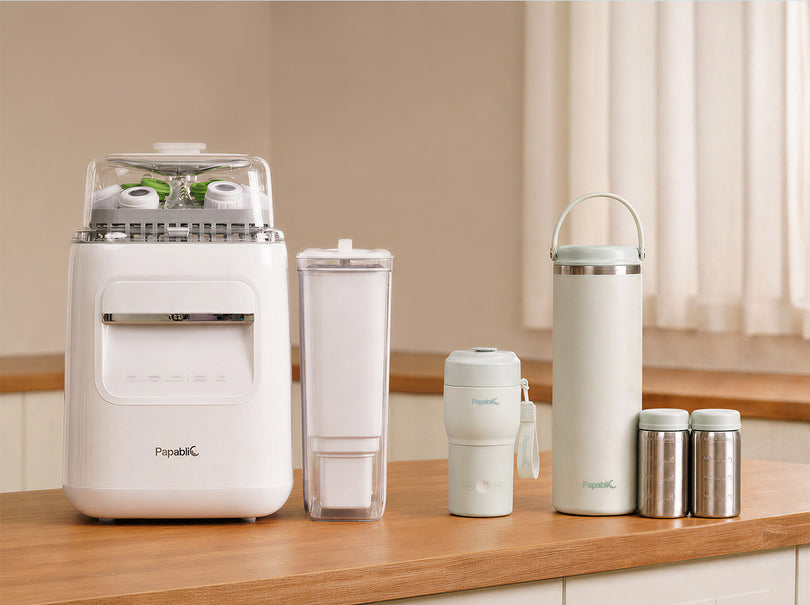
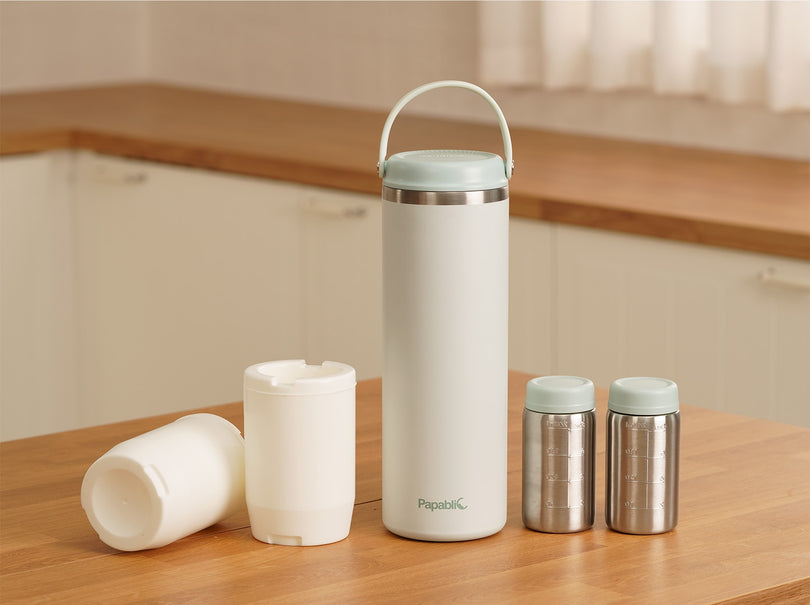
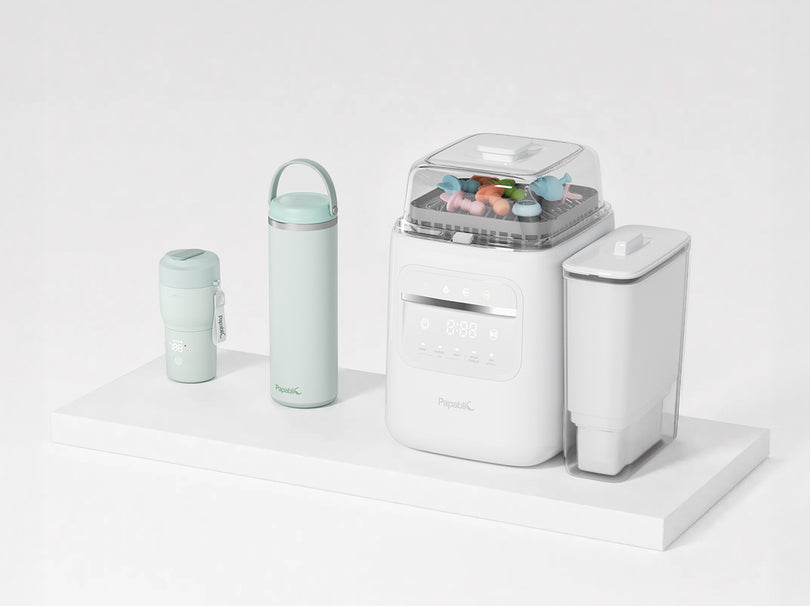
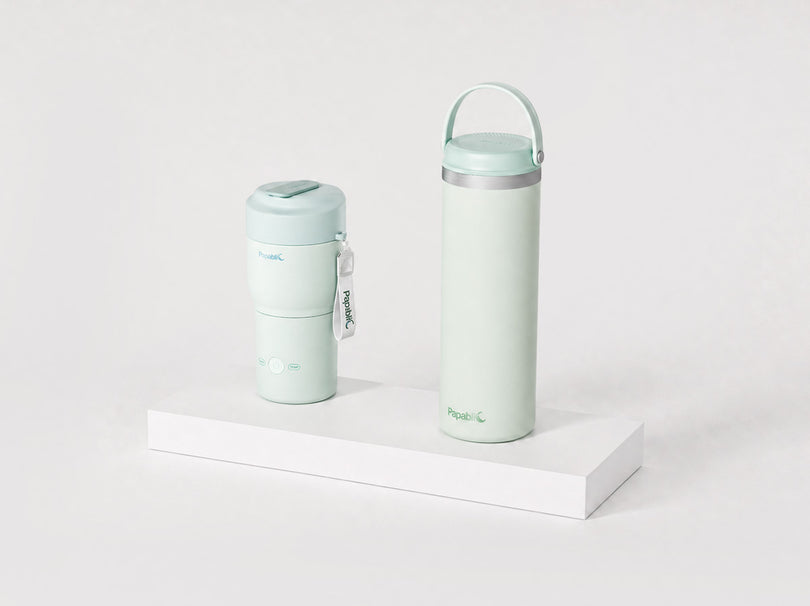
Keep the Papablic CapsuleChill™ Breast Milk Cooler on hand for outings. It holds breast milk below 40°F (4°C), so the clock doesn't start ticking the moment you leave the house.

Frequently Asked Questions
Can You Leave Refrigerated Breast Milk Out to Reach Room Temperature?
Yes, you can leave refrigerated breast milk out to warm up, but once it reaches room temperature, use it within 2 hours. Letting it sit longer, even without any active warming, raises the risk of bacterial growth past a safe level. Setting a timer when you take the bottle out helps you keep track of that window without having to remember it on your own.
What Is the 2 Hour Rule for Breast Milk?
The 2-hour rule means any breast milk that's been warmed, brought to room temperature after refrigeration, or partly fed to your baby needs to be used within 2 hours. Once that window closes, the milk should be discarded rather than reused, rewarmed, or refrozen, even if it still looks and smells completely normal.
Is Breast Milk Ok If Left Out for 5 Hours?
No, breast milk left out for 5 hours has passed the safe window for every storage type, including the 4-hour limit for freshly pumped milk. At that point, it's safest to discard the milk rather than risk feeding your baby milk that may already contain bacteria at unsafe levels.
How Long Is Breast Milk Good for After Your Baby Has Drank Out of the Bottle?
Breast milk is good for about 2 hours after your baby has fed from the bottle. Saliva from feeding mixes into the milk and speeds up bacterial growth, so it needs to be used or discarded within that window rather than saved for a later feeding.
Knowing Your Breast Milk Timelines Keeps Feedings Safe and Stress-Free
Knowing exactly how long refrigerated breast milk can sit out takes the guesswork out of feeding, whether you're at home, at daycare drop-off, or out for the day. Baby Safety Month is a good nudge to build habits like these into your routine so they stick well beyond September. The safe windows are short: 4 hours for freshly pumped milk, 2 hours once it's been warmed or refrigerated, and 1 to 2 hours for thawed milk.
The Papablic CapsuleChill™ Cooler has stainless steel bottles and a TSA-compliant design that fits right into a diaper bag for errands, daycare runs, or a full day away from home, so the clock doesn't start ticking the moment you walk out the door.