






Table of contents
“If I already have a dishwasher, do I really need a bottle washer?”
“Why not just put them in the dishwasher?”
If you're washing bottles and pump parts throughout the day, you may wonder these questions.
The difference isn't whether your dishwasher can clean bottles—it's whether it can keep up with the demands of a feeding routine that never seems to stop. Long cycles, small parts, and the need to dry and sanitize feeding items can make daily cleanup more work than expected.
Why Your Dishwasher May Not Keep Up With Your Feeding Routine
A dishwasher works well for many household cleaning tasks. But baby bottles and pump parts follow a different schedule from the rest of your dishes. Parents who use a dishwasher for feeding items often run into a few practical frustrations.
1. The Dishwasher Takes Too Long to Run
A dishwasher cycle can take several hours, depending on the machine and selected settings. That's not necessarily a problem for dinner plates, but it can be inconvenient when you need clean bottles for the next feeding.
One parent shared on Reddit:
“We have a regular dishwasher but it takes like 3-4 hours to run, the bottle washer is like 20 minutes to clean.”

The same parent was managing unexpected breastfeeding challenges, triple feeding, and the exhaustion that came with it. When you're feeding and pumping around the clock, the challenge isn't simply finding time to wash everything. It's having clean feeding supplies available when you need them.
2. You May Not Have Enough Dishes to Run a Full Load
Not every household produces enough dirty dishes to fill a dishwasher every day. But feeding supplies don't wait for the dishwasher to fill up.
One parent described the problem this way:
“It takes forever to fill up the dishwasher and I usually end up needing to pull out a plate or fork to use because we ran out of clean ones and the dishwasher still isn't full lol.”

For a household with a baby, this creates an awkward mismatch: you may have plenty of bottles and pump parts to clean, but not enough regular dishes to justify running the dishwasher again.
3. Washing Doesn't Always Mean Everything Is Ready to Use
Cleaning and drying are two different steps, and parents need both to fit into their routines.
One parent shared an experience of spending more than an hour each day hand-washing bottles and pump parts after their dishwasher left an unusual smell on the items. Another parent described trying a dishwasher's sanitizing setting before the baby arrived, only to find that the feeding items didn't dry as expected.

These individual experiences illustrate why the overall process matters: if parents aren't satisfied with the result, they may end up washing items again, drying them separately, or spending more time managing the routine.
4. You May Prefer to Keep Feeding Items Separate From Regular Dishes
For some parents, the issue isn't just time. It's having a dedicated place for the items involved in feeding their baby.
Bottles, nipples, and valves come into contact with breast milk or formula, while breast pump parts such as flanges come into direct contact with the skin of the breast. Since the same breasts may also be used to nurse a baby, some parents feel more comfortable keeping these feeding essentials separate from everyday plates, cups, and cooking utensils.
For parents who prefer a more dedicated approach to feeding hygiene, having a separate cleaning setup can offer greater peace of mind and make the daily routine feel more organized.
How a Dedicated Bottle Washer Simplifies Daily Feeding
The common thread in these experiences is that parents aren't only trying to wash bottles. They're trying to keep feeding supplies clean, dry, and ready to use without adding more work to an already busy day. That's where a dedicated bottle washer comes in.
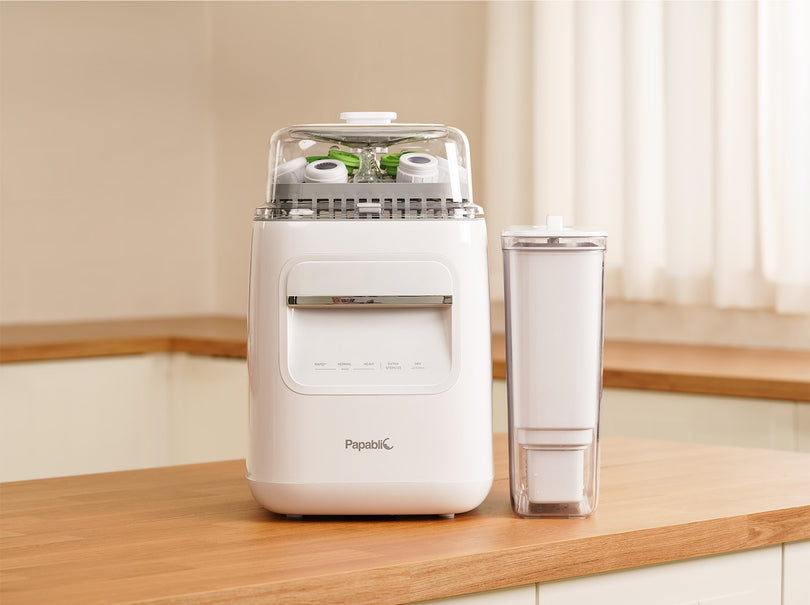
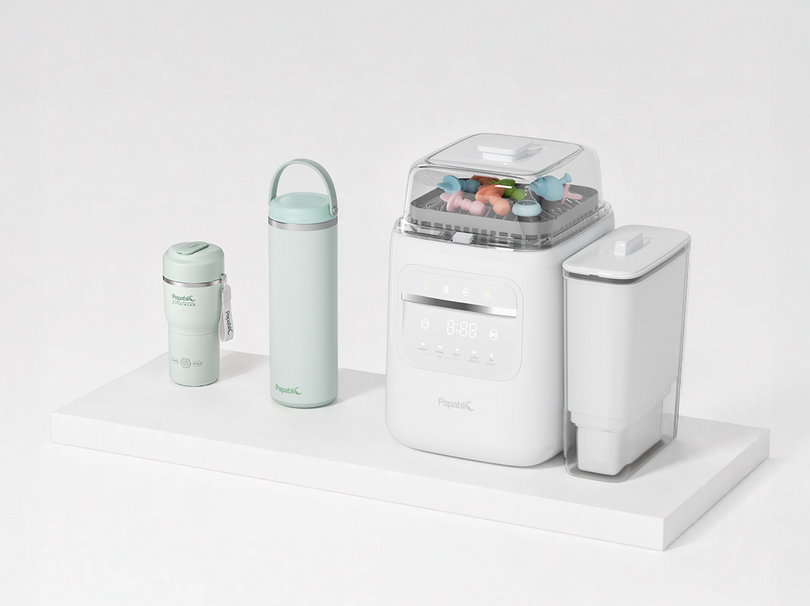
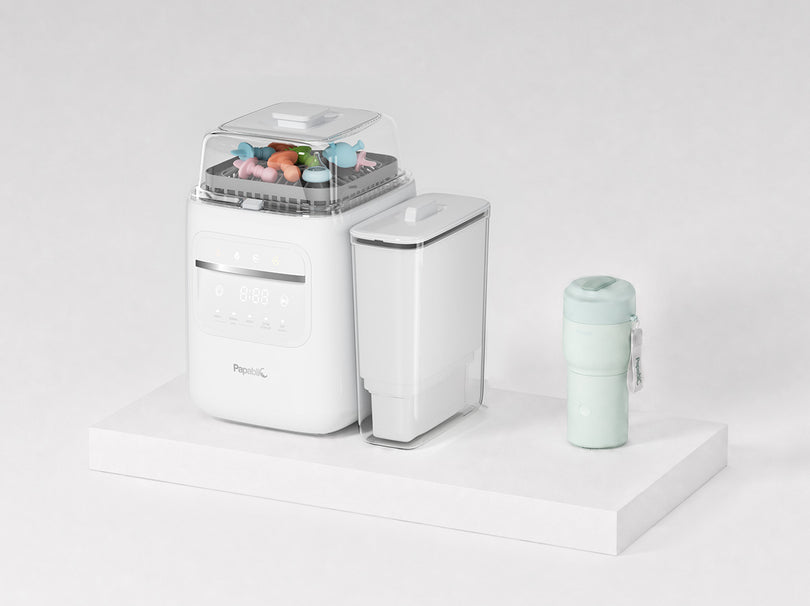
Instead of relying on the timing of your regular dishwashing routine, you can process bottles and feeding accessories together in a system like Papablic SafeguardPlus™ Baby Bottle Washer System designed specifically for them.
More Room for Bottles and Pump Parts
When you're exclusively pumping or bottle-feeding frequently, bottles aren't the only things piling up in the sink. Flanges, valves, membranes, nipples, and other small accessories all need regular cleaning, too.
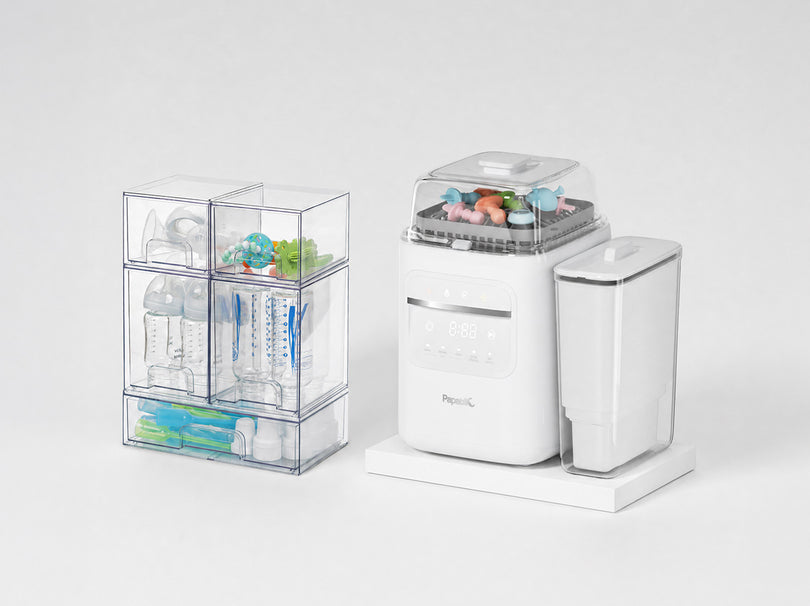
Papablic SafeguardPlus™ accommodates up to eight bottle sets or two breast pump sets with accessories, giving parents more room to process their feeding essentials together. Instead of waiting for enough kitchen dishes to fill a dishwasher, you can focus on the items you need for your baby's next feeds.

Washing, Sterilizing, Drying, and Storage in One System
A long wash cycle is only part of the problem if you still need to handle drying and storage afterward.
SafeguardPlus™ combines washing, steam sterilization, dual-fan drying, and hygienic storage in one appliance. Its dual rotating spray arms provide 360° cleaning coverage, helping water reach different angles and hard-to-reach areas of bottles and accessories.
After the cleaning and drying cycles, the system offers up to 72 hours of hygienic storage. This integrated process helps reduce the number of separate steps parents need to manage between feeds.

Built-In Water Filtration for Added Water Quality Support
Water quality is another consideration when cleaning feeding essentials. Household water can contain varying levels of minerals and other impurities, and hard water may contribute to visible water spots and limescale buildup.
SafeguardPlus™ features a built-in water purification and filtration system designed to soften water and help reduce impurities, including lead and PFAS. This adds water-quality management to the bottle-cleaning routine, rather than treating water as just another part of the wash cycle.
For parents who live in hard-water areas or want additional water-quality support built into their cleaning setup, this is an important distinction.

A Dedicated Place for Feeding Essentials
Instead of mixing bottles and pump parts into your regular dishwashing routine, SafeguardPlus™ gives these items their own cleaning space. You can organize feeding accessories in a system designed for baby bottles and pump parts, while continuing to use your dishwasher for everyday dishes. For parents who prefer to keep feeding essentials separate from kitchenware, this creates a more dedicated and consistent routine.
What Does the CDC Say About Using a Dishwasher for Baby Bottles?
According to the CDC, dishwasher-safe bottles and feeding accessories can be cleaned in a dishwasher. It recommends taking the items apart, rinsing them, and placing small pieces in a closed-top basket or mesh bag so they don't get lost in the dishwasher. When possible, using hot water with a heated drying cycle or sanitizing setting can help kill more germs. Items that aren't completely dry should be allowed to air-dry thoroughly before storage.
The CDC also notes that if you use a dishwasher with hot water and a heated drying cycle or sanitizing setting, a separate sanitizing step isn't necessary.
The distinction is that a cleaning method can be suitable without being the most convenient fit for every feeding routine. For parents who need to clean bottles and pump parts several times a day, having a separate system may make it easier to keep up.
Which Families Should Consider a Dedicated Bottle Washer?
Whether a bottle washer is worth adding to your kitchen depends on your feeding routine, your baby's needs, and how much time your current cleaning setup takes.

Parents who exclusively pump or bottle-feed frequently: When every feeding means more bottles, nipples, and pump parts to clean, a dedicated washer helps handle more items together with less hands-on work.
Families with newborns, premature babies, or babies with weakened immune systems: Daily sanitizing deserves particular attention for these babies. A bottle washer with a sanitizing function can make this step easier to incorporate into the routine.
Parents who prefer a separate cleaning setup: If you want to keep baby feeding equipment separate from everyday dishes, a dedicated washer gives you a designated place to clean and organize feeding essentials.
Families whose current cleaning routine feels like too much work: If dishwasher cycles take too long or you still end up hand-washing small parts, a dedicated bottle washer may help simplify the process.
Bottle Washer vs. Dishwasher: Do You Really Need Both?
A dishwasher can clean baby bottles and feeding accessories when used properly. But that doesn't mean it's the ideal setup for every household.
The Papablic SafeguardPlus™ Baby Bottle Washer System is designed to bring those steps together, with built-in water filtration alongside washing, sterilizing, drying, and storage. Ultimately, the question isn't whether your dishwasher works. It's whether your current routine works for you.
Your dishwasher can take care of the kitchen. A dedicated bottle washer can help take care of the feeding routine. And when that routine repeats throughout the day, having one less thing to manage can make a meaningful difference.
- Shop the Papablic SafeguardPlus™ now and get a gift bundle worth $159.99.
- Limited to 200 units, first‑come, first‑served — this bonus offer ends once supplies are gone.
FAQs
Is a dedicated baby bottle washer worth it if I already have a dishwasher?
If you frequently wash baby bottles and pump parts, a dedicated bottle washer can make your daily routine easier to manage. The Papablic SafeguardPlus™ combines washing, steam sterilization, drying, and hygienic storage in one system, so you don't have to rely on your regular dishwasher cycle for every feeding item.
How many bottles and pump parts can Papablic SafeguardPlus™ clean at once?
Papablic SafeguardPlus™ accommodates up to eight bottle sets or two breast pump sets with accessories. Its capacity makes it easier to handle multiple feeding essentials in one cycle, particularly for parents who pump or bottle-feed several times a day.
What makes Papablic SafeguardPlus™ different from a regular dishwasher?
A dishwasher is designed for a broad range of kitchenware, while SafeguardPlus™ is designed specifically around baby bottles and compatible feeding accessories. It combines washing, steam sterilization, dual-fan drying, and up to 72 hours of hygienic storage, along with built-in water filtration and softening.
Does Papablic SafeguardPlus™ filter the water used for cleaning bottles?
Yes. SafeguardPlus™ features a built-in water purification and filtration system designed to soften water and help reduce impurities such as lead and PFAS. It also helps address hard-water concerns, including mineral-related water spots and limescale buildup. A built-in filter reminder helps you keep track of filter maintenance.
Is a bottle washer useful for exclusively pumping parents?
It can be especially helpful for parents who pump frequently. Along with bottles, pumping routines involve flanges, valves, membranes, and other accessories that need regular cleaning. SafeguardPlus™ provides space for up to two breast pump sets with accessories and brings washing, sterilization, drying, and storage together in one routine.