





In the United States, about 1 in 10 babies is born prematurely, according to data from the Centers for Disease Control and Prevention (CDC) and the March of Dimes (CDC Premature Birth Data, March of Dimes Premature Birth Facts).
This means hundreds of thousands of families each year are caring for a premature baby — a newborn who enters the world earlier than expected and is often more vulnerable.
While many premature babies grow up healthy without intensive care, some require specialized medical support after birth. These infants are admitted to the Neonatal Intensive Care Unit (NICU) and are known as a NICU baby.

What Is a NICU Baby?
A NICU baby typically refers to a newborn who needs extra monitoring and support, including infants who:
-
Are preterm (a premature baby) born before 37 weeks (Full-term babies are born between 37 and 42 weeks)
-
Have low birth weight
-
Experience breathing difficulties or other medical complications
-
Or require close observation after delivery
It’s important to remember: not all premature babies are NICU babies, and not all NICU babies are premature. Some full-term newborns may need intensive care due to conditions such as respiratory distress, infections, or congenital issues.
In the NICU, care is highly controlled — especially when it comes to feeding and hygiene. For a NICU baby, even small exposures to bacteria or contaminants can have a significant impact.

Why a Newborn (Especially a NICU Baby) Needs Extra Hygiene Attention
Developing Immune System
One of the main reasons extra care is needed is that a newborn’s immune system is still developing:
-
Adults have built up their immune defenses over years of exposure, handling germs daily without thinking twice.
-
A premature baby or NICU baby doesn’t have the same protections yet. Their immune system is still learning how to respond to infections and environmental exposures.

Feeding Is a Direct Pathway Into Your Baby’s Body
Another important (and often overlooked) factor is this: feeding isn’t just nutrition — it’s also exposure.
-
Everything that touches a baby’s mouth — bottles, nipples, pump parts, and utensils — goes straight into the digestive system.
-
Any unseen bacteria or water contaminants get a direct path in.
-
That’s why in the NICU, feeding hygiene is taken extremely seriously. It’s not just about what “looks clean,” it’s about minimizing exposure to bacteria and contaminants.
Once parents understand the why, taking protective steps becomes much easier and more manageable.
Hidden Risks Parents May Overlook
Before the baby arrives, many parents prepare thoroughly: attending classes, setting up the nursery, researching products, or making late-night online purchases.
But beyond bottles and pumps, one key factor is often overlooked: water quality.
-
For most U.S. families, tap water is generally safe to drink.
-
However, water quality can vary depending on location, plumbing age, and the local water system.
-
Sometimes, tap water contains contaminants that are invisible to the eye, such as lead from older pipes or PFAS (“forever chemicals”).
-
These contaminants may not cause immediate harm, but repeated exposure over time can impact a baby’s health.
Even water that looks clear and “fine” may carry invisible risks — which is why feeding hygiene begins with water quality, not just cleaning bottles.

From Source to Bottle — Why Comprehensive Hygiene Matters
If water can contain contaminants, it’s essential to consider the entire feeding hygiene process, not just the bottle itself.
-
When washing bottles, rinsing pump parts, or preparing feeding equipment, the water itself becomes part of the cleaning process.
-
Feeding hygiene involves several factors working together:
-
Thoroughly cleaning bottles and feeding tools
-
Using safe, clean water to reduce the chance of bacteria or contaminants reaching the baby’s mouth
-
Even well-cleaned bottles can introduce risk if the water used for cleaning contains contaminants.
This may sound overwhelming, but the goal isn’t to complicate feeding routines — it’s to help parents make safer choices that are realistic and sustainable.
Technology and Support Systems That Help
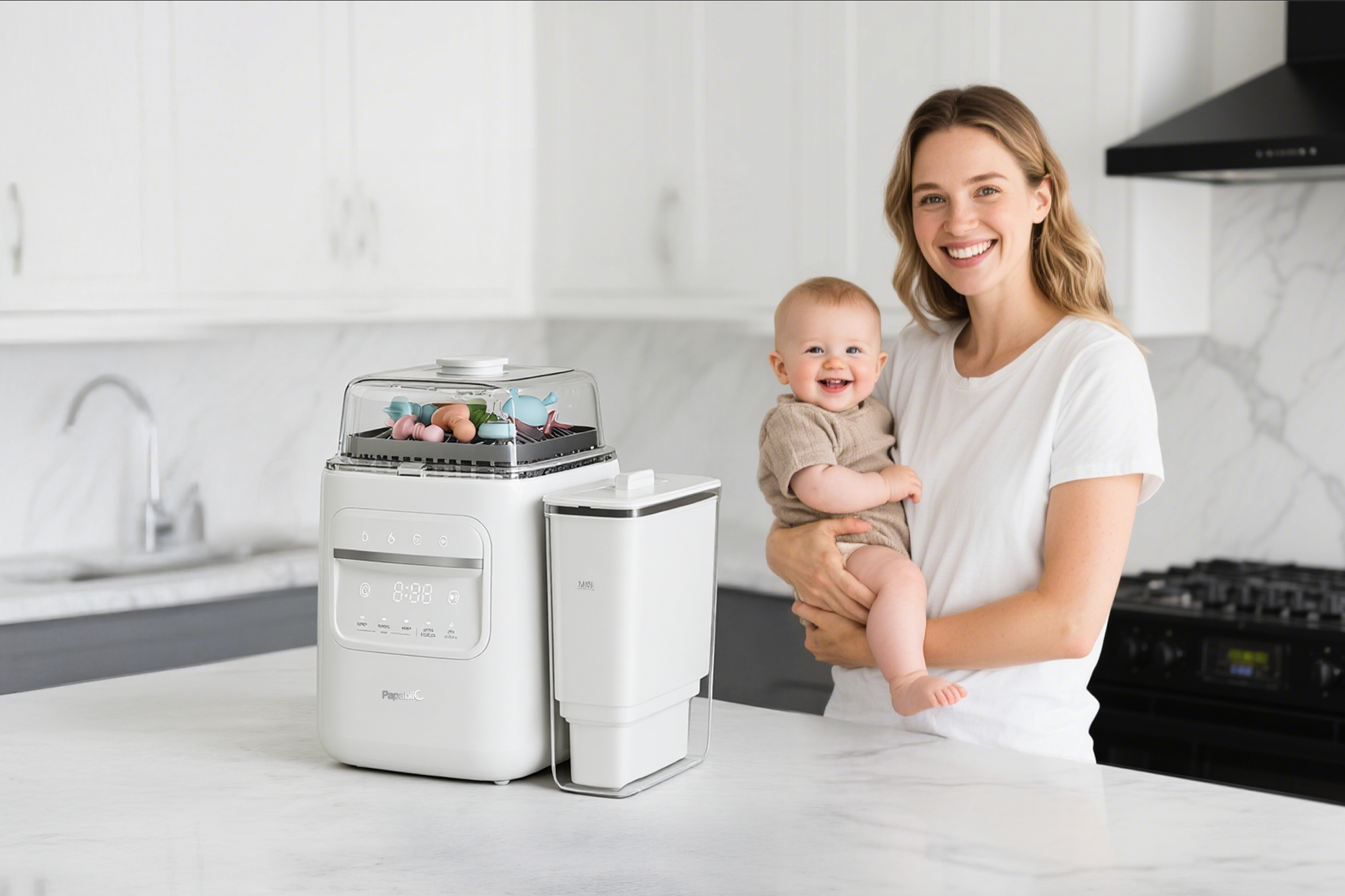
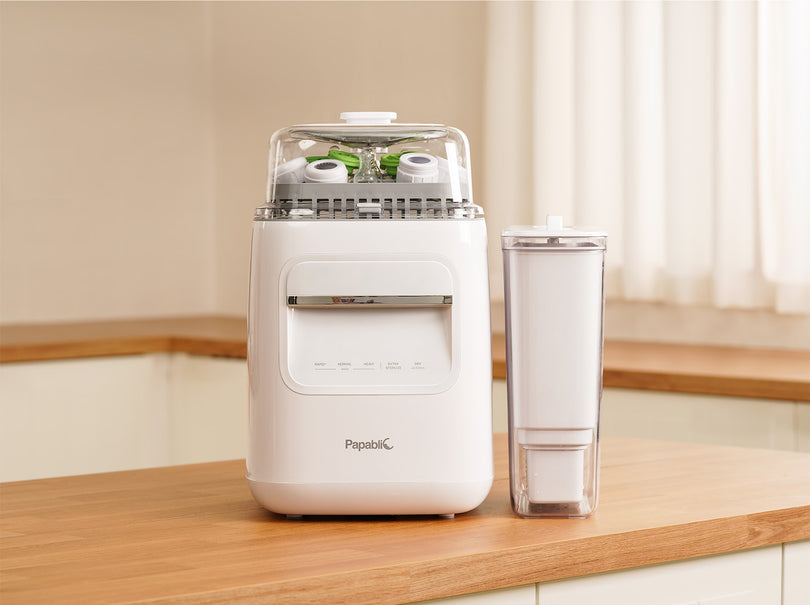
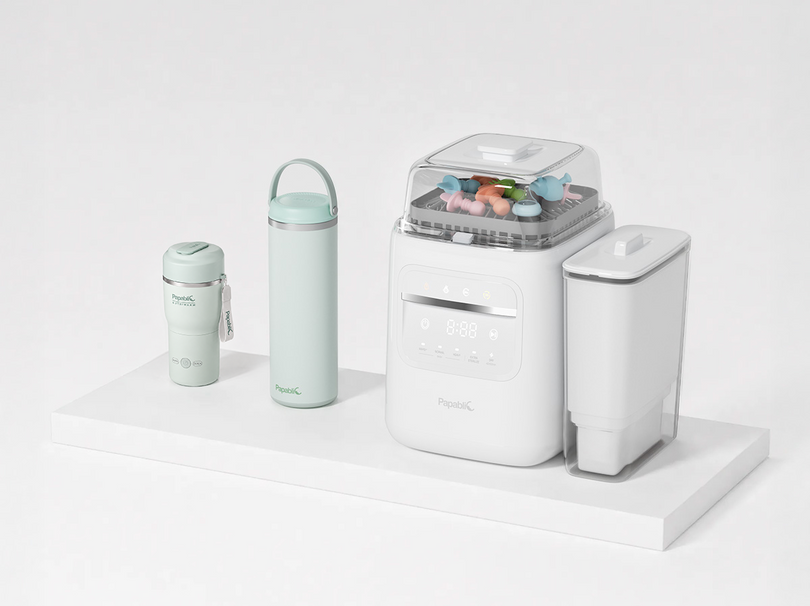
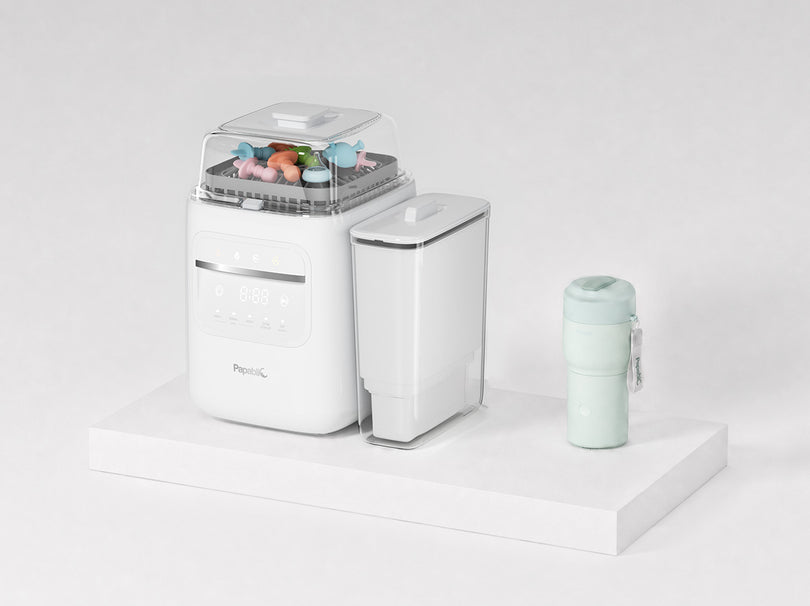
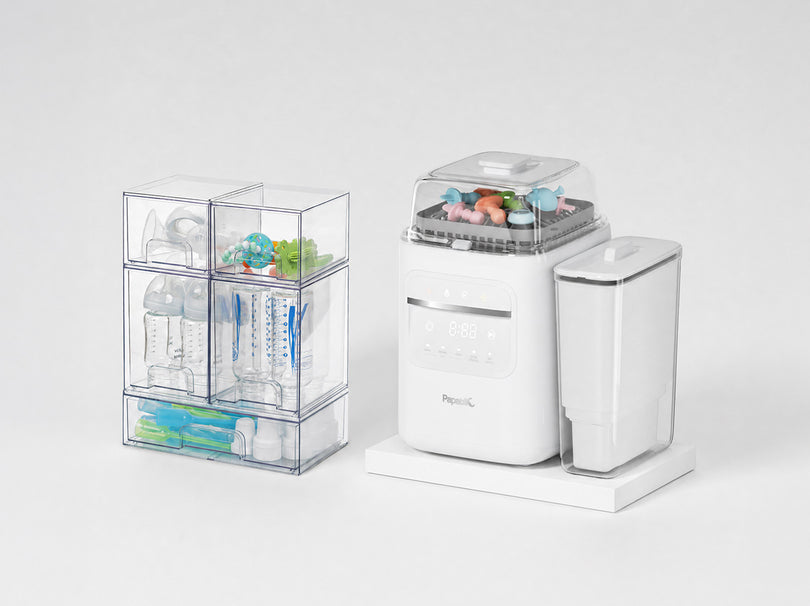
Products like the Papablic SafeguardPlus™ Baby Essential Cleaning System are designed to support higher-level feeding hygiene.

This system goes beyond simply washing bottles:
-
Purifies water to remove contaminants like lead and PFAS and softens hard tap water.
-
Cleans up to 8 bottles with all parts in a single cycle, or a full set of pump parts plus small essentials.
-
Offers flexible modes: washing, sterilizing, drying, or combinations — so parents aren’t stuck running a heavy cycle every time.

From filtration to storage, every step is designed to reduce invisible risks and provide parents with peace of mind.
When caring for a NICU baby or a premature baby, every step matters. Tools that reduce exposure to unseen bacteria not only protect babies but also give parents confidence and reassurance.

Real, Practical Tips for New Parents
Here are three simple ways to protect a newborn, especially a NICU baby, through better feeding hygiene:
-
Start thinking about water quality early
-
Check your local water report (Consumer Confidence Report) to see what’s in your tap water.
-
Decide whether to filter, treat, or use distilled water, especially for formula feeding.
-
Focus on thorough cleaning of feeding equipment
-
Milk residue can harbor bacteria. Wash bottles and pump parts after each use.
-
Sterilize bottles and parts before first use and routinely in the first few months.
-
Use filtered or treated water if tap water quality is uncertain.
-
Make your routine sustainable
-
Newborn life is exhausting — keep hygiene practices simple and achievable.
-
Consider using a bottle washer or delegating washing duties to reduce mental load.
-
Protecting your baby shouldn’t come at the cost of your recovery or sanity.
Conclusion
Feeding a baby isn’t about perfection. It’s about creating safe routines you can actually stick to, even during 2 a.m. brain fog.
For a NICU baby and other high-risk newborns, the small daily steps — water quality, thorough cleaning, and reliable tools — protect the most.
By understanding invisible risks and prioritizing proper hygiene, parents are already giving their babies the best possible start in life.