


If you're preparing for your first trip down the bottle aisle, you're probably trying to figure out the logistics: What type of bottle do I need? How many do I need? How do I know if I need more?
There's a lot of conflicting advice on the internet, ranging anywhere from 4 to 12 bottles, depending on the source. But the right count isn't a fixed number. The answer's going to shift based on what feeding method you choose, what your cleaning routine looks like, and how fast your baby's growing.
Here, we walk you through each of these factors one at a time, so the final verdict fits perfectly into your household routine.
How Many Baby Bottles Do You Actually Need?
If you're looking for a magic number, unfortunately, it doesn't exist. The right number for you is determined by how you feed your baby, how often you're washing them, and what your home's caregiver setup looks like.
If you're primarily breastfeeding, you'll need fewer bottles than a family that chooses to exclusively use formula, the same way that parents washing bottles after every use will need fewer than those who wash once daily. Similarly, babies that are constantly hungry and feeding frequently will require more than babies with a smaller appetite or fewer feeds.
One thing that is consistent across the board is how frequently newborns need to feed. Reliable authorities like the CDC and Mayo Clinic agree that most newborns need to eat about every 2–4 hours, or 8–12 feedings per day, so your bottle needs will peak in the first few weeks, and then ease off as your feeding intervals stretch.
How Many Bottles Do You Need Based on Your Feeding Method?
When figuring out how many baby bottles you need, your feeding method is a good place to start.
-
Exclusively breastfeeding: 2–4 is often enough, primarily used for pumped-milk backups, occasional outings, or partner feeds.
-
Combination feeding: 4–6 balances both feeding routines without constant washing.
-
Exclusively formula: 8–12 will support your around-the-clock feeds without having to wash midday.
A few things to note:
If you wash the bottles after every feed, you won’t need as many in rotation. If you’re only sanitizing once daily, you’ll need more to bridge the gap. Additionally, if you have multiple caregivers or bring your baby to daycare, that typically adds 2–4 bottles to the baseline.
How Many Bottles You'll Need at Each Stage of Baby's Growth
The number of bottles you have in rotation will also change as your baby gets older. Newborns have the highest feeding needs: about 8–12 feeds a day, with 1–4 ounces per feed, and the amount increases across the first month, per the AAP.
Bottle-feeding a newborn generally requires smaller, 4-ounce bottles and a higher bottle count. By the end of month one, most babies take about 3–4 ounces per feeding on a fairly predictable 3-4-hour schedule, including night feeds.
Between 2–4 months, many formula-fed babies drop their night feeds and daytime intervals lengthen to 3–4 hours as their stomach capacity grows.
At 6 months, babies typically take 6–8 ounces across 4–5 feedings per day. You'll need fewer bottles per day, but you may need bigger sizes to hold more.
Choosing the Right Bottle Size, Type and Flow Rate
Over the first year of your baby's life, you'll likely need two standard bottle sizes: 4-ounce bottles for newborns, and 8 or 9-ounce bottles when they hit around 3–4 months, as their intake grows.
As for bottle type, glass or plastic are the two standard materials, each with their own benefits and drawbacks. Glass is more resistant to scratching through repeated sanitizing, but it's also heavier and breakable.
Plastic is lighter and travel-friendly, but it will scratch and degrade with wear. In 2012, the FDA removed BPA-based polycarbonate resin from allowed use in baby bottles and sippy cups, so BPA-free plastic is now the market standard. As long as you’re buying from reputable retailers in the United States, you won’t have to worry about BPA if you choose plastic.
The other thing to consider is nipple flow rate, because that’s what truly controls feeding pace. A flow rate that’s too fast or too slow can lead to frustration, gulping, or choking.
Slow-flow nipples are the standard for newborns, and many brands guide families toward medium-flow nipples around the three-month mark. Still, your baby’s feeding cues matter more than the age label.
The flow rate on a bottle’s label also isn’t always reliable. One medical study found that flow rates vary widely within nipples labeled for the same age range, or even nipples of the same product. Following how well your infant can coordinate sucking, swallowing, and breathing is most important.
Why Your Cleaning Routine Impacts How Many Bottles You Need
The CDC’s guidance calls for daily sanitizing, plus cleaning after each feed. Sanitizing is especially important for babies under two months, babies born premature, or babies with a weak immune system.
A dishwasher's hot water cycle can help, especially one with heated drying or a dedicated sanitizing setting. But dishwashers weren't designed with bottle parts in mind. Small pieces like nipples, valves, and rings can slip through the rack, get stuck in place, or warp from the heat. A full cycle also tends to run long, which isn't much help when you need a clean bottle in the next twenty minutes. And unless the dishwasher has a true sanitize setting, there's no guarantee it's reaching a high enough temperature to sanitize bottle parts, not just clean them.
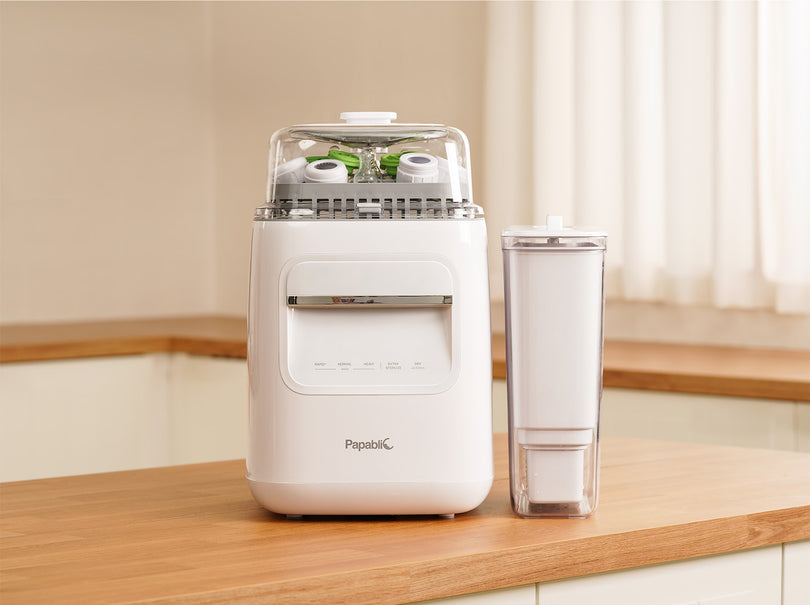
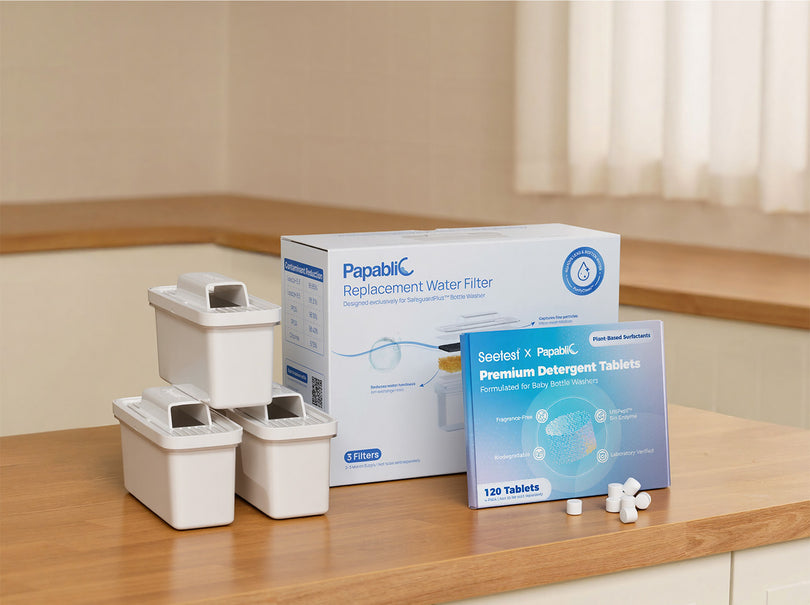
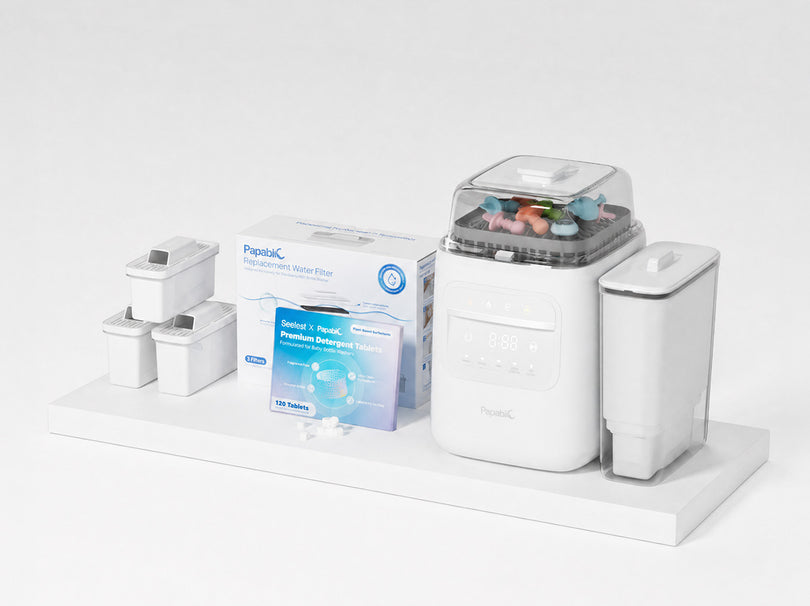
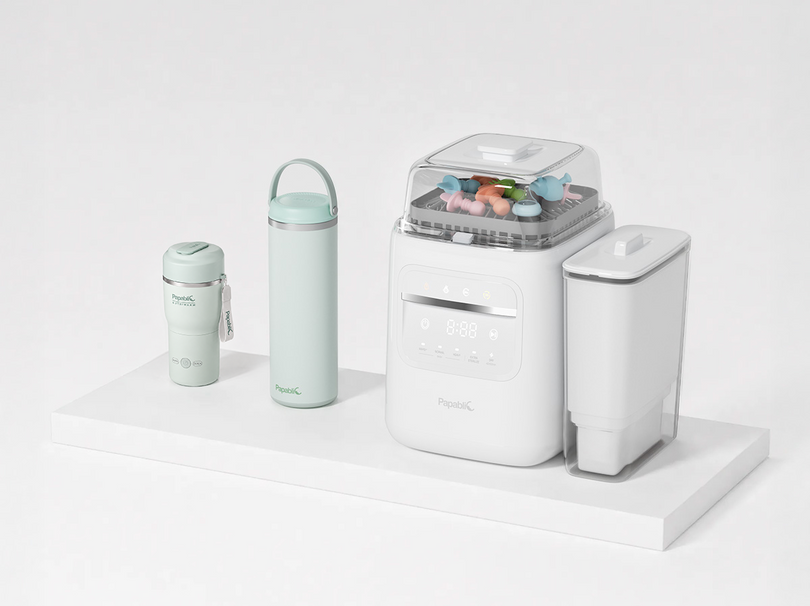
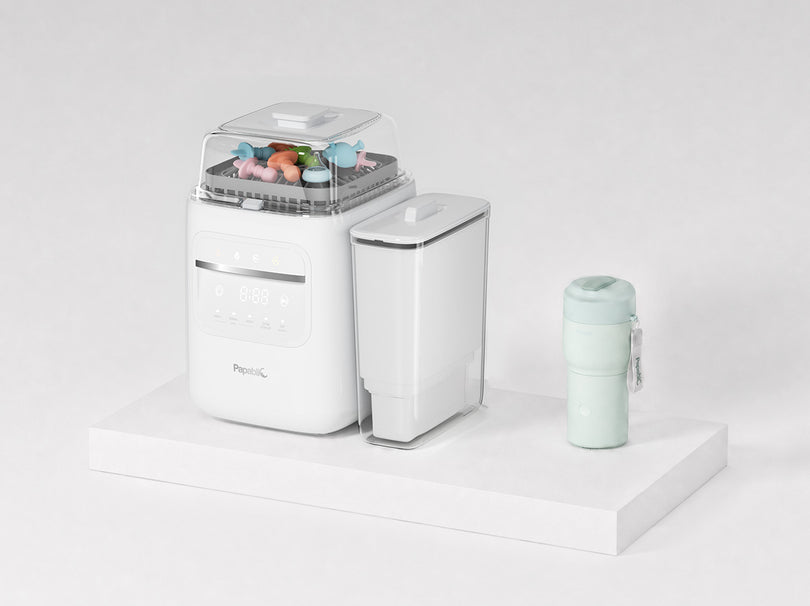
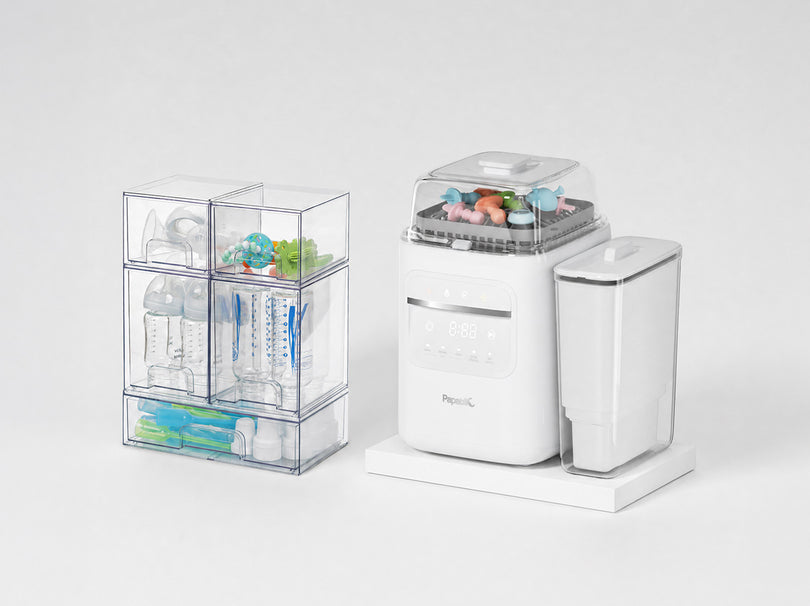
Many newborn parents would like to further simplify the process without those tradeoffs. Now Papablic has the SafeguardPlus™ Baby Bottle Washer System, a dedicated bottle washer that filters water, washes, sterilizes, and dries up to 8 bottle sets in one large-capacity cycle, with germs reduced by 99.99% and bottles kept hygienically stored for up to 72 hours.

That kind of one-and-done cleaning changes how many bottles you actually need in rotation. Instead of stocking extra bottles to bridge the gap between wash cycles, you load what's dirty, press start, and pull out a fresh, sanitized batch ready for the next feed.
The importance of your cleaning routine and bottle rotation size go hand-in-hand. If you only wash and sanitize once a day, you’ll need a bigger bottle stash to get through the day. Washing after each feed allows for fewer bottles.
Signs You Need More Baby Bottles
Not sure if you need more bottles? If you experience one or more of these red flags, you may want to stock up on more.
-
Consistently running out of clean bottles before your next wash cycle
-
A growth spurt that increases your baby’s feeding frequency or volume and outpaces your existing bottle supply
-
A baby starting daycare or adding regular caregivers
-
Shifting from cleaning after every feed to cleaning and sanitizing once or twice daily
When Should You Replace Baby Bottles and Nipples?
Plastic bottles commonly get replaced every 4–6 months with regular use, but if you notice visible damage, replace them sooner. Things to watch for include scratches, cloudiness, discoloration, or a sticky or rough interior. They indicate that the plastic is breaking down and should be swapped out for a new bottle.
As for glass, discard any bottles that are cracked or chipped. Not only is it dangerous for your baby while feeding, but compromised surfaces can’t be reliably cleaned.
Nipples wear out much faster than bottles. They may need replacement every 1–3 months. To see if your bottle nipples need to go, pull on the nipple bulb and see if it snaps back into shape. If not, its time is up. Other signs to look for in nipples (no matter how long they’ve been in use) are tears, stickiness, or discoloration, or enlarged holes that change the flow rate.
Frequently Asked Questions
What Is the 3 6 9 Rule for Babies?
The “3-6-9” rule is common nipple flow-rate guidance that some brands use. It recommends slower flow nipples until about 3 months, a faster flow around 6 months, and the fastest standard flow around 9 months. This is a general guideline, and nipple numbering isn’t consistent across brands. If your baby is feeding comfortably and gaining weight on their current nipple, there’s no need to move up.
How Many 4oz Bottles Do I Need for a Newborn?
It depends on whether you’re formula feeding, breastfeeding, or combo feeding. Formula-feeding families commonly start with 8–10 bottles. Exclusively breastfeeding families using bottles only occasionally often need only 2–4 bottles. Combo-feeding families may need a stash somewhere in the middle, around 4–8 bottles.
How Many Bottles a Day Does My Baby Need?
Newborns feed around 8–12 times per day, but that drops to about 4–5 times per day by month 6. Your needed bottle count comes down to wash frequency. If you clean and reuse bottles after washing, you’ll need fewer than families who clean and sanitize a full cycle just once daily.
Is 4 Bottles Enough for a 6-Month-Old?
By 6 months, babies typically need 4–5 feeds per day, so 4 bottles can work, though it doesn’t include any buffer for spills, spit-up, or a missed wash cycle. If your baby goes to daycare, is combo fed, or if you want a backup supply, 6–8 bottles may be more comfortable.
Build a Baby Bottle Setup That Matches Your Feeding Routine, Cleaning Schedule, and Growth Stage
The more bottles you add to your rotation, the more nipples, caps, rings, and pump parts you're washing every day. A stash that solves your feeding logistics can quietly turn into a mountain of parts at the sink, especially in those early newborn weeks when you're already running on fumes.
That's where we come in. Our SafeguardPlus™ Baby Bottle Washer System filters, washes, sterilizes, and dries up to 8 bottle sets in one cycle, then keeps them hygienically stored for up to 72 hours. Whether you're stocked with 4 bottles or 12, it takes the guesswork out of what's clean, what's next, and what still needs a wash.