



If you're wondering whether you can mix breast milk and formula in the same bottle, the answer is yes, and it's simpler than it might seem once you know a few safety basics. Combination feeding is more common than most new parents realize, whether you're stretching your supply, heading back to work, or just want more flexibility at feeding time. Here's how to combo feed with confidence, from bottle prep to safe storage.
Key Takeaways:
-
Mixing breast milk and formula in the same bottle is safe when the formula is prepared correctly first.
-
Always mix formula on its own before adding breast milk; never add powder directly to breast milk.
-
A mixed bottle follows formula's shorter storage window, not breast milk's longer one.
-
Refrigerate mixed bottles right away and use them within 24 hours; skip the freezer.
-
Check with your pediatrician before combo feeding a premature baby or one with a medical condition.
Is It Safe to Mix Breast Milk and Formula?
Yes it is. Babies can thrive on breast milk, formula, or a mix of both. The key is preparing the formula correctly before it ever meets your breast milk, not mixing the two loosely and hoping for the best.
Breast milk composition naturally shifts throughout the day, adjusts as your baby grows, and even changes within a single feed, starting out thinner and turning richer as the feed goes on. None of that changes when a portion is combined with formula in the same bottle. The mix is still safe, and your baby still gets the benefits of both.
2 Ways to Combination Feed
There are two main approaches to combo feeding, and neither one is "more correct" than the other. Pick whichever fits your family's routine.
Mixing in the Same Bottle
Some parents combine prepared formula and breast milk in a single bottle. It's convenient, especially if you're low on breast milk for a feed and want to top it up with formula. Babies also tend to adjust to the taste of formula more easily when it's blended with breast milk they already know. If you're also combining milk pumped at different times, the same care around fresh and stored breast milk applies before formula ever enters the bottle.
Alternating Separate Bottles
Other families keep the two completely separate, offering a bottle of just breast milk at one feed and a bottle of just formula at the next. That makes it easier to track exactly how much of each your baby is getting, and it sidesteps the shorter shelf life that comes with mixed bottles.
How to Safely Mix Breast Milk and Formula
If you choose the same-bottle method, the order and ratios matter more than you might expect.
1. Prepare the Formula First
Always mix the formula on its own first, following the instructions on the container exactly. The FDA recommends washing your hands and sanitizing your workspace before you start, since powdered formula isn't sterile straight out of the container. Once the formula is fully mixed, then you can add your breast milk.
2. Never Add Powder Directly to Breast Milk
Don't sprinkle powdered formula straight into a bottle of breast milk. Formula powder needs a precise amount of water to dissolve and dilute properly, and breast milk isn't a substitute for that water. Skipping this step can leave the formula too concentrated, which isn't the right balance for your baby's system.
3. Use the Right Water to Powder Ratio
Measure the water first, then add the powder, exactly as the CDC's formula preparation guidance lays out. Never add extra water to stretch a can of formula further; it dilutes the nutrition your baby needs. If you have questions about your local tap water, your local water utility or health department can tell you what's in it.
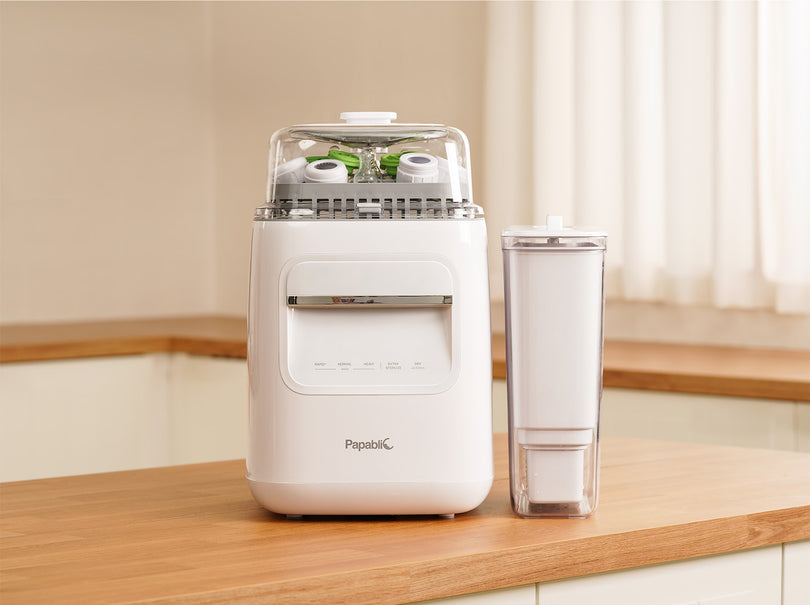
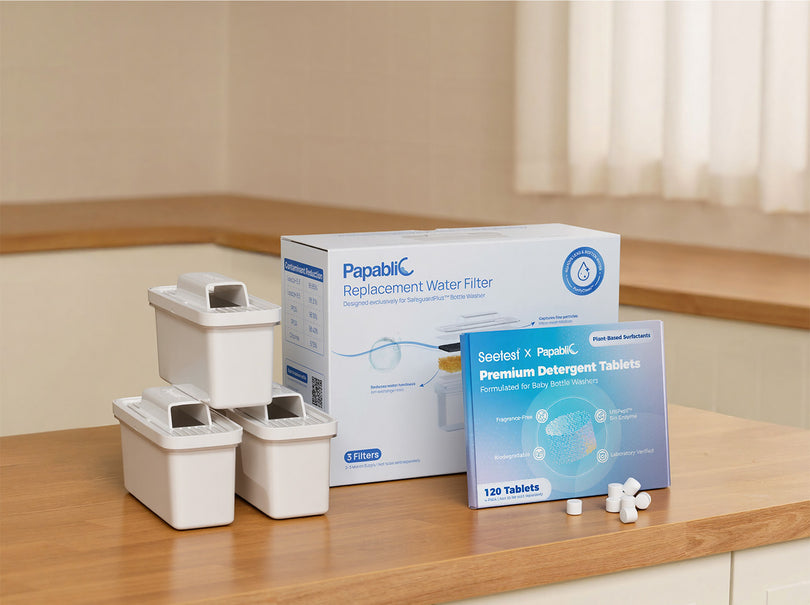
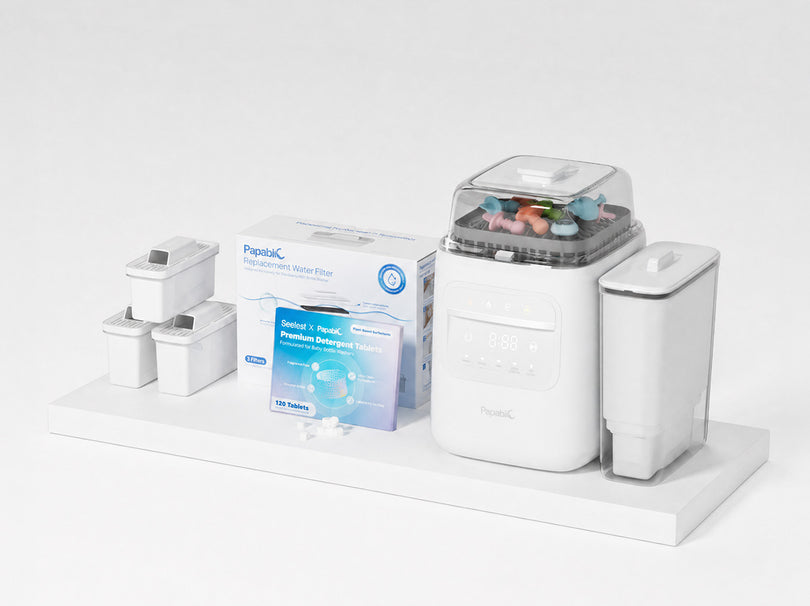
Water quality matters in a second, separate way too: the water your bottles are washed and rinsed in. Tap water can leave minerals or residue behind on bottles and nipples over repeated washes, which is one reason the SafeguardPlus™ Baby Bottle Washer System builds in a PurifyClean™ water filter. It softens and filters the water used during the wash cycle itself, so bottles rinse clean before they're sterilized and dried.
Softer, filtered wash water also means less mineral buildup inside bottles and nipples over time, so nothing lingers behind to affect the next feed. For your baby, that translates to formula that mixes smoothly and tastes consistent from bottle to bottle, without the odd aftertaste that hard water residue can sometimes leave behind.

Why Some Experts Recommend Storing Breast Milk and Formula Separately
Breast milk and formula don't follow the same storage clock. Use prepared formula within about two hours of mixing, and even sooner once your baby starts drinking from it, to prevent Cronobacter infection. Breast milk on its own can typically sit out a bit longer. Once you combine the two, the shorter formula timeline takes over for the whole bottle.
That's the main reason some experts lean toward alternating bottles instead of mixing: it keeps each milk on its own, more forgiving schedule and cuts down on waste from bottles that have to be tossed sooner than expected.
4 Tips for Storing Mixed Bottles
-
Label every bottle with the time it was made. A quick strip of tape and a marker save you from guessing later.
-
Refrigerate right away if it's not going straight to your baby. A mixed bottle that isn't being used immediately should go in the fridge, not sit on the counter.
-
Skip the freezer for mixed bottles. Freezing works well for breast milk alone, but combining it with formula first isn't recommended, since the textures and safety timelines don't hold up the same way once thawed.
-
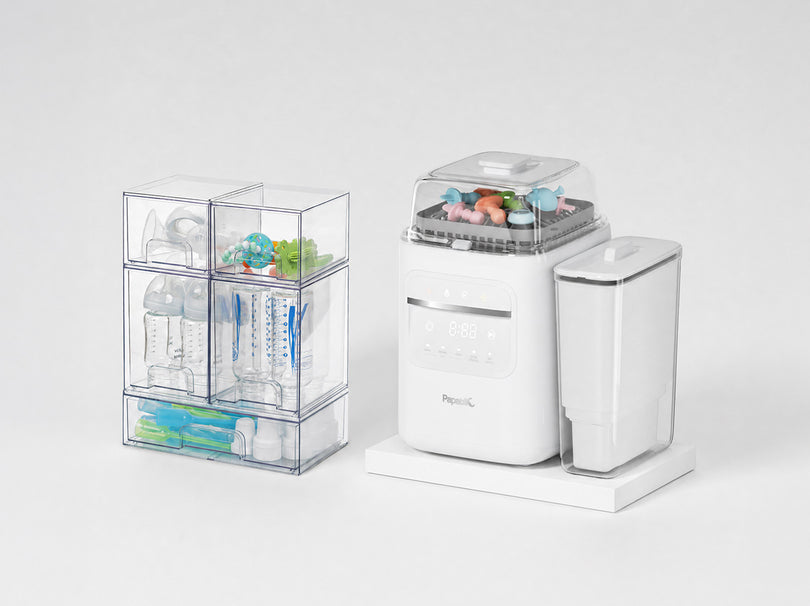
Start with sanitized bottles. Fewer variables means fewer things to double-check at 2 a.m. As well as filtering the water, the SafeguardPlus™ Baby Bottle Washer System washes, sterilizes, and dries up to 8 bottle sets in one cycle, then keeps them hygienic for up to 72 hours, so a clean bottle is always ready when you need to mix a fresh feed.
When to Check with Your Pediatrician First
Combo feeding works well for most families, but a few situations call for a quick conversation with your pediatrician before you dive in. That includes premature babies, infants with a diagnosed medical condition, or babies under two months who are exclusively breastfed and just starting to take formula for the first time. Your pediatrician knows your baby's specific needs and can help you build a feeding plan that fits.
Frequently Asked Questions
Can Mixing Breast Milk and Formula Upset Baby's Stomach?
It's not common, but it can happen, especially if the formula was diluted incorrectly or the bottle sat out too long before feeding. Watch for extra fussiness, gas, or spit-up after switching to combo feeding, and adjust prep or timing as needed. If symptoms continue, check in with your pediatrician.
Can a Baby Take Breast Milk and Formula at the Same Time?
Yes, plenty of babies do this every day. You can offer both in one bottle or alternate between separate bottles at different feeds. There's no set rule for how to split the two; it comes down to your supply, your schedule, and what works for your baby.
Is Formula Harder to Digest Than Breast Milk?
Formula generally takes a bit longer to digest than breast milk because of differences in protein structure, which is why formula-fed babies sometimes go a little longer between feeds. That doesn't mean formula is harder on your baby's system overall, just that digestion looks slightly different.
Is It Okay to Formula Feed at Night and Breastfeed During the Day?
Yes, this is a common combo-feeding rhythm. Some parents find formula at night helps stretch sleep a bit, since a partner or family member can handle that feed. As long as you're tracking overall intake and staying consistent, splitting feeds by time of day works well for many families.
Prepare, Mix, Feed: Combination Feeding Done Right
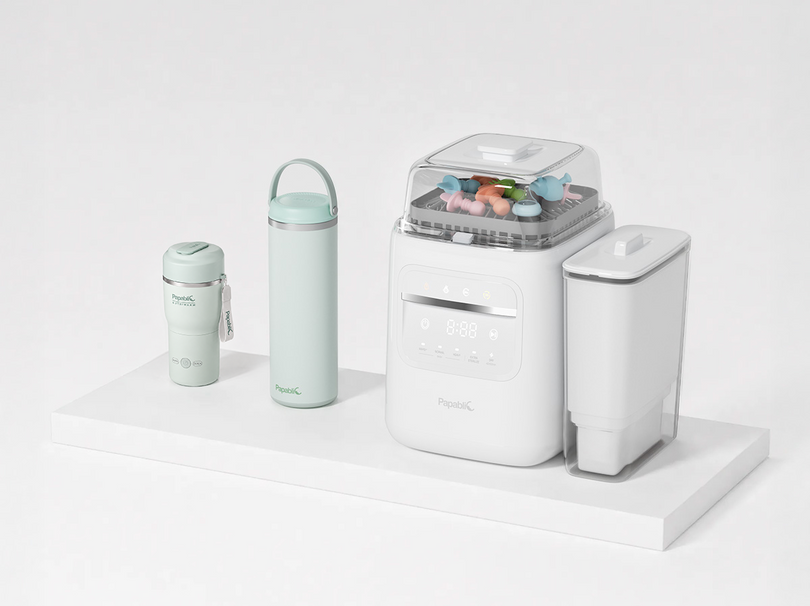
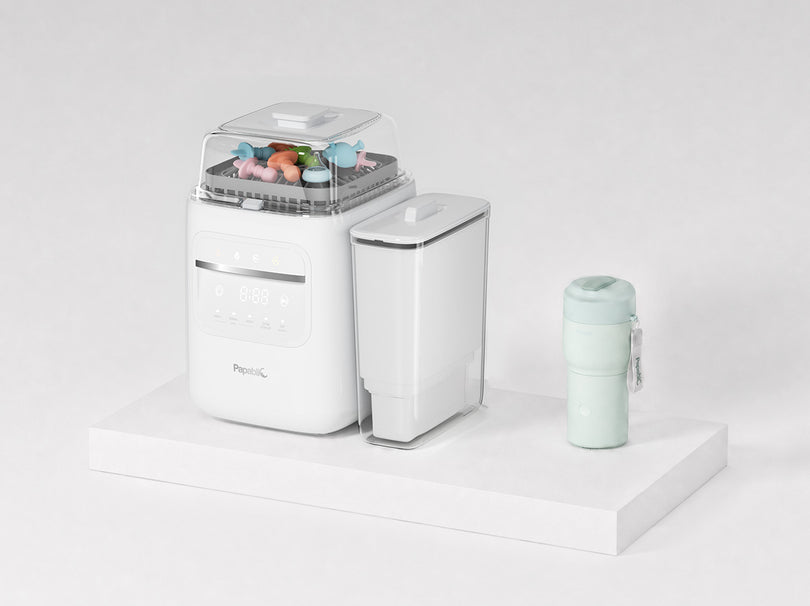
Combo feeding already asks you to juggle timing, ratios, and two different storage clocks, so the last thing you need is extra worry about whether your bottles are actually clean. That's exactly what the SafeguardPlus™ washer system handles for you: it filters the water your bottles are washed in, then washes, sterilizes, and dries up to 8 bottle sets or 2 pump parts set in one cycle, keeping them hygienic for up to 72 hours so a clean bottle is ready whenever you need to mix a fresh feed.
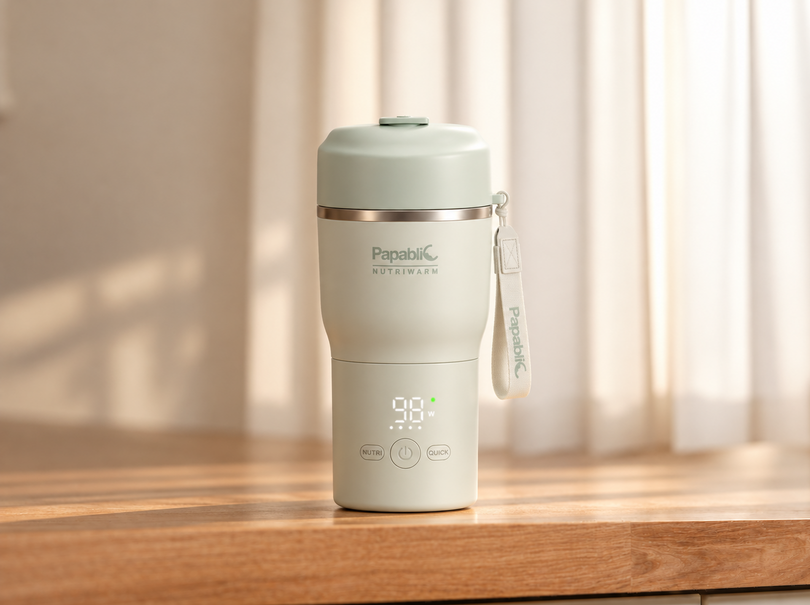
From there, the rest of the lineup picks up where SafeguardPlus™ leaves off. The Portable Bottle Warmer & Sterilizer Pro brings a refrigerated bottle up to feeding temperature in about two and a half minutes, so a mixed bottle doesn't sit around waiting once it's out of the fridge.
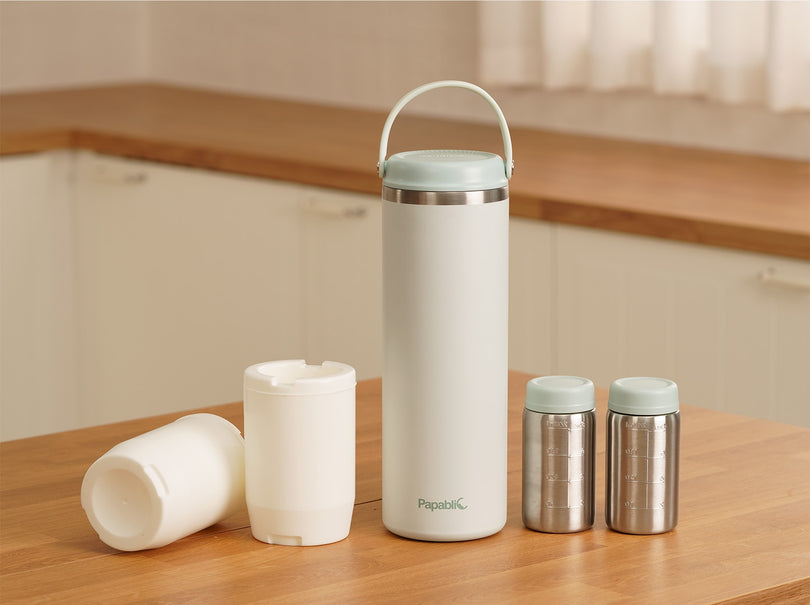
And when you're pumping and storing breast milk to combine later, the CapsuleChill™ Breast Milk Cooler keeps it below 40°F on the go, so the milk half of your combo feed stays just as safe as the formula half, whether that’s a quick errand, a daycare drop-off, or a full day out.
Explore the Papablic feeding collection to see how the whole lineup fits together, from filtering and sanitizing to warming and storing, one bottle at a time.