



If you've found yourself Googling "how long should I pump" at 2 a.m., you're not alone. It's one of the questions we hear most from breastfeeding parents, especially once work, school, or just a little time away from your baby enters the picture. The truth is, there's no single right answer. It depends on your goal, whether that's exclusively pumping (EP), supplementing occasionally, building a freezer stash, or easing back into work.
Below, we walk through when to start, how often to pump, how long each session should last, and what to do if you miss one.
Key Takeaways:
-
If you’re exclusively pumping, plan 8–12 sessions a day in the early weeks, roughly every 2–3 hours (including one overnight), with each session lasting 15–20 minutes.
-
If you’re mostly nursing and pumping to supplement, 1–3 sessions a day, usually right after a nursing session, is typically enough.
-
If you’re building a freezer stash before returning to work, adding one extra daily session 2–3 weeks beforehand is generally enough for a modest reserve.
-
If you’re back at work or school, aim to pump every 2–3 hours during your shift, for about 15–20 minutes each time.
-
Most sessions should run 15–20 minutes once your milk flow is established, and missing an occasional session is not something to worry about.
When Should You Start Pumping Breast Milk?
The CDC recommends starting pumping a few weeks before you return to work or school, or before any planned time away from your baby.
Early practice sessions can be helpful to give yourself time to get comfortable with the pump fit and settings, before pumping actually becomes a daily need. You can also use that same lead time to help your baby adjust to bottle-feeding gradually rather than all at once.
If you’re breastfeeding, most lactation guidance suggests waiting to pump until your breastfeeding is well established, usually around 3–4 weeks postpartum, in order to avoid oversupply or feeding confusion.
Other times, if supplementing is medically necessary (such as with premature or NICU babies, babies with latch difficulties, or parents trying to actively build their supply), pumping can start within the first day. A lactation consultant is a great resource during these times.
Another caveat is colostrum. This first milk produced in the days after birth (or sometimes while still pregnant), can be hand-expressed or pumped as needed or desired.
How Often Should You Pump Throughout the Day?
There's no hard and fast rule, but the general guidance is to pump as often as your baby would nurse to keep your supply matched to the demand. Newborns typically feed 8–12 times per day, but that frequency naturally eases up to about 7–9 times by the one to two-month mark as their stomach capacity grows.
If you're EP, you should expect around 8–12 pumping sessions daily in the early weeks, including at least one overnight session before tapering down later. As for working parents, a reasonable goal could be pumping every 2–3 hours during a shift to mirror a typical feeding gap per AAP guidance.
If you stretch gaps between sessions too far or too often, it can gradually reduce output, since breast milk runs on a supply and demand basis. Supply response depends on regular removal.
More sessions add up fast: more flanges, valves, and bottles piling up by the sink, especially once you're pumping around the clock. Washing, sterilizing, and drying all of it by hand between sessions is its own kind of exhausting.
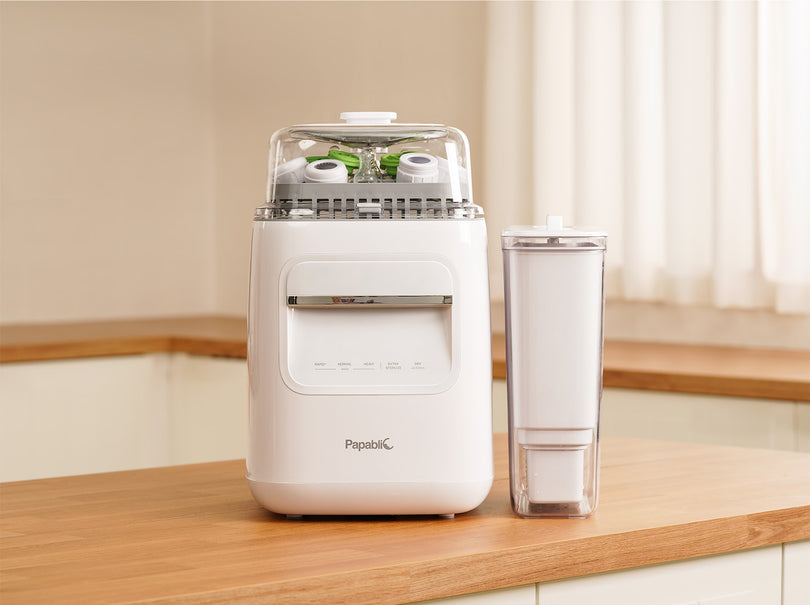
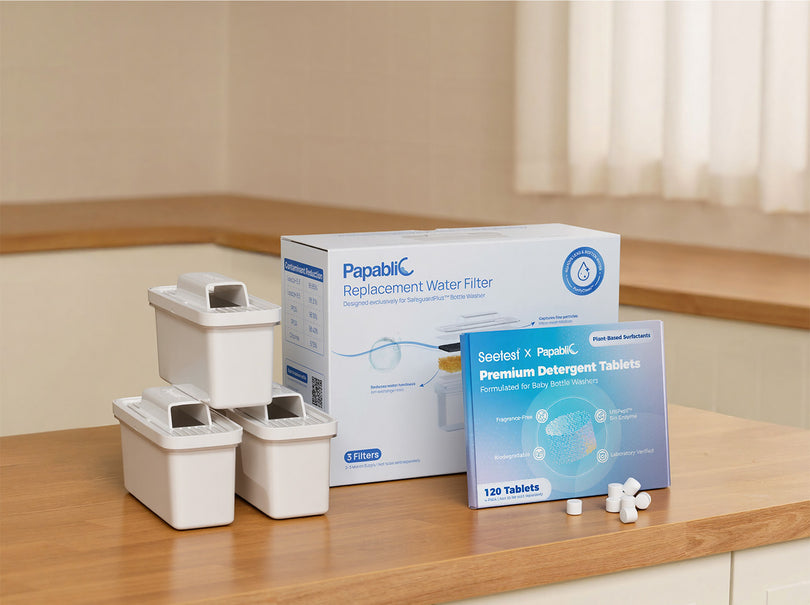
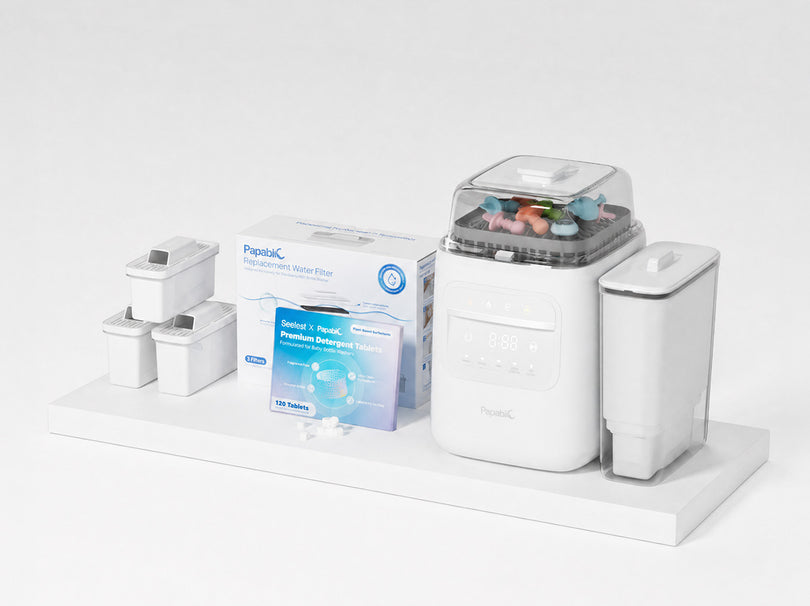
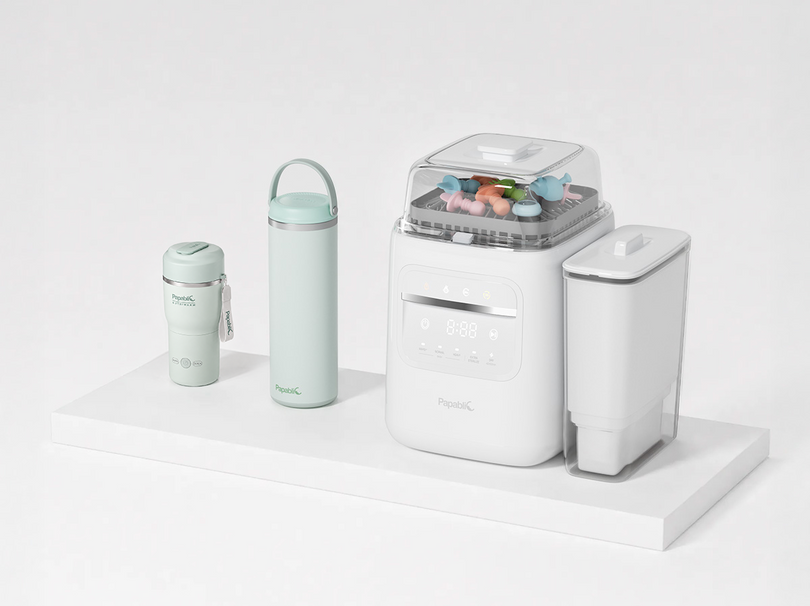
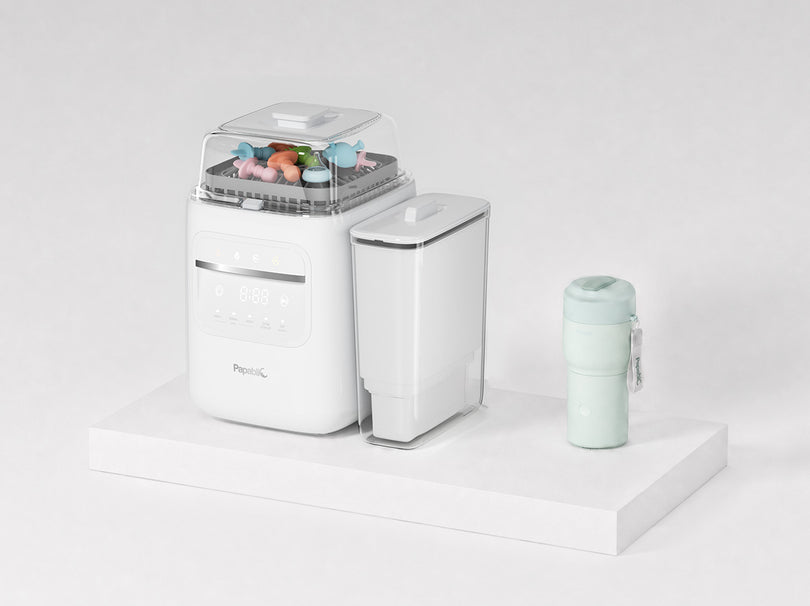
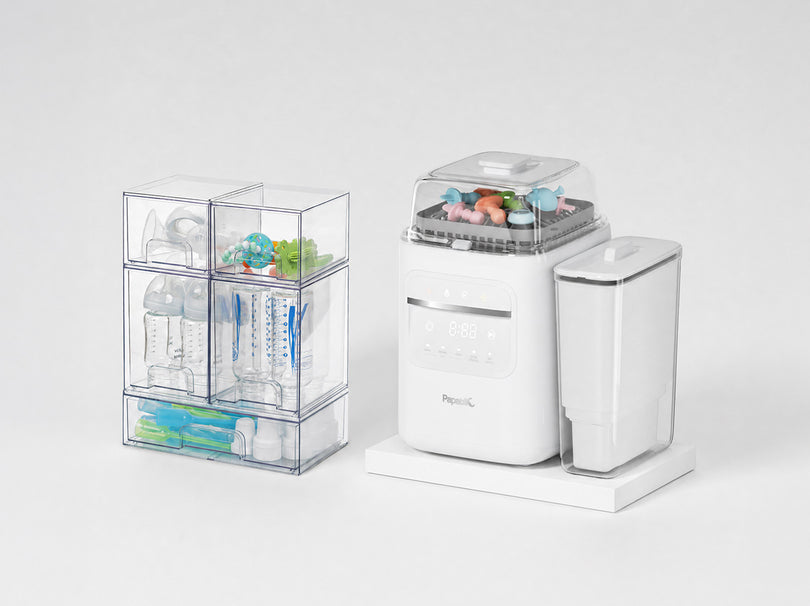
That's the gap the Papablic SafeguardPlus™ Baby Bottle Washer System is built to close. Load up to 8 bottle sets, or 2 pump part sets, and the system filters, washes, sterilizes, and dries them in a single cycle, then keeps everything stored and hygienic for up to 72 hours until your next session. So, there’s one less thing standing between you and your next pumping window, whether it's two hours away or the middle of the night.

How Long Should Each Pumping Session Last?
Most guidance on the length of pumping sessions points to roughly 15–20 minutes per session once the milk flow is established. Pumping for at least 10 minutes, even if the flow has slowed, helps keep the supply signal consistent. Pumping sessions during early postpartum may run a bit longer since the output is still ramping up and your breasts may need more time to feel drained.
If you're looking for ways to shorten sessions or increase milk volume, one study from the Journal of Perinatology found that for mothers of premature infants, using hands-on pumping (massaging or compressing breasts during pumping) increased milk volume by 48%, even though pumping time decreased.
While it may seem that using a higher suction could remove more milk, that's not the case. Higher suction can actually cause nipple pain or tissue damage if the flange size is wrong.
One method that does work, however, is double pumping. Pumping both breasts at once cuts your total session time in half compared to pumping one side at a time. As supply regulates around 6–12 weeks postpartum, pumping sessions can typically shorten once breasts consistently feel well drained.
Sample Pumping Schedules for Different Feeding Goals
Pumping schedules are unique to each family and their goals. Here are a few samples:
|
Goal |
Sample Schedule |
|
Around 8–12 sessions per 24 hours in the early weeks, usually about every 2–3 hours, including one overnight. |
|
|
Supplementing (but mostly nursing) |
Often just 1–3 sessions daily, commonly shortly after a nursing session when supply tends to be higher. |
|
Building a freezer stash before returning to work |
One added daily session 2–3 weeks beforehand is generally enough for a modest reserve. |
You may find that your milk supply surges mostly strongly overnight and in the early morning. That’s because prolactin, the hormone that drives milk production, follows a circadian rhythm and is at its highest at these times. Scheduling a pumping session in the middle of the night or early in the morning can help take advantage of that surplus.
As your baby approaches 6–9-months, they may start showing separation anxiety around unfamiliar caregivers or new routines. When that’s the case, some parents shift pumping to earlier in the day to allow for calmer, more gradual handoffs.
Remember: your pumping schedule should flex around your baby’s needs and your body’s natural supply. During growth spurts, they may need a temporarily higher frequency of nursing or pumping to meet the rising demand.
What Happens If You Miss a Pumping Session?
Missing one pumping session is nothing to worry about. It rarely affects long-term supply, although you may notice the breast feels fuller or uncomfortable until the next session. Repeated or prolonged gaps, however, can signal the body to slow production over time, since output is driven by demand.
One thing you want to avoid is recurrent milk stasis (unrelieved fullness), because it can contribute to clogged ducts and, in some cases, mastitis, according to breast pump research. If you have to skip a session, expressing even a small amount of milk by hand or pump later in the day can relieve that pressure and help maintain your supply signal.
Planned, gradual weaning over several weeks isn’t the same as skipping sessions irregularly. It affects your supply differently than a one-off, unplanned miss. It gradually shrinks supply to prevent painful engorgement, clogged ducts, or mastitis.
If you miss a pumping session, don’t panic. Track your pumped volume over 1–2 weeks rather than reacting to a single session so you can see a clearer picture of your supply and notice any downward trends.
Tips to Maintain and Increase Milk Supply While Pumping
When pumping, parents want to maintain a healthy milk supply so they can consistently feed their babies. These tips can help you keep your supply up or even increase it.
-
The primary driver of milk supply is frequent, consistent removal. When in doubt, stick to a consistent schedule.
-
To signal the body to produce more, try adding one extra session or briefly increasing frequency for a few days.
-
Use massage or hand compression during pumping to help fully drain the breast and support supply over time.
-
Stay hydrated, eat regularly, and try to manage your stress to support overall production. Just know that no single food or drink will reliably boost output on its own.
-
Check your pump flange size. If it’s too large or too small, it can reduce output and cause discomfort.
-
Pump until your flow slows, rather than using a fixed timeline, to maintain volume since higher-fat hindmilk tends to come later in pumping sessions.
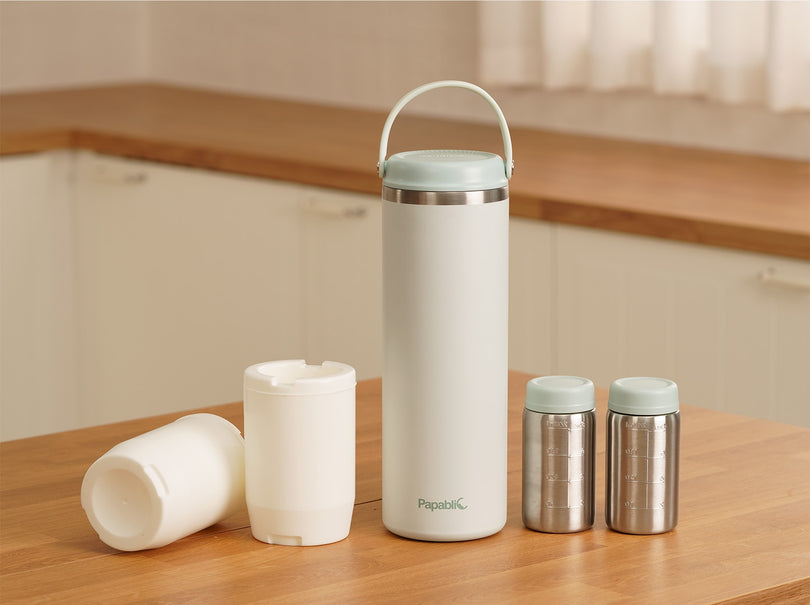
Once your supply is established, keeping pumped milk safe becomes just as important as the pumping itself. Our Papablic CapsuleChill™ Breast Milk Cooler keeps breast milk below 40°F (4°C), all day long, without ice packs or a refrigerator. It's TSA-compliant, made from BPA-free, FDA-approved materials, and built to travel with you. For parents pumping at work or on the go, it's one less thing to worry about.
You might also find our guide on choosing an affordable bottle washer useful. Keeping pump parts and bottles clean is a big part of maintaining a pumping routine that's sustainable day-to-day.
Frequently Asked Questions
Is Pumping Every 2 Hours Too Often?
Not necessarily. If you’re exclusively pumping or in early postpartum, pumping every 2–3 hours (including overnight) is common. Whether it’s too often depends on your goal. If you’re trying to build a supply or EP, that calls for more frequent sessions than supplementing occasional bottles.
How Long Should I Be Pumping per Session?
Most sessions run about 15–20 minutes once the flow is established. If you’re in the early days or have low supply, sessions might take longer. Stop when your flow noticeably slows instead of watching the clock. If you want to shorten sessions, double pump to shorten the overall time commitment.
Is Pumping for 20 Minutes Enough?
20 minutes falls within the typical 15–20 minute range that most guidance cites as sufficient. For you personally, if the breast feels well-drained, that’s a good sign you’ve pumped long enough, regardless of how long it takes.
What Is the 4 4 4 Rule for Pumping?
“4-4-4” is an informal rule commonly circulated online with inconsistent definitions. Some use it to describe pumping every four hours for four days, while others use it as a general four-hour spacing guideline. It’s not an evidence-based protocol used by the AAP, CDC, or peer-reviewed lactation sources.
Create a Pumping Routine That Supports Supply, Flexibility, and Confidence
The pumping frequency and duration guidelines we have just shared with you are only a starting point. Your family's real routine should flex along with your baby's age, feeding goals, and how your body responds. If you want to know whether your schedule is working, track your pumped volume over a week or two to determine if you’re maintaining your supply.
Frequent pumping means frequently washing pump parts and bottles. You can reduce the tasks filling up your schedule by designating the cleaning to the Papablic SafeguardPlus™ Baby Bottle Washer System, a 5-in-1 system that filters water, washes, sterilizes, dries, and stores your bottles and pump parts ready for the next session.