
A breastfeeding essentials checklist doesn't need to match everything on a registry site or in a marketing email. Building one really comes down to timing: a handful of comfort basics before baby arrives, a few more additions once feeding gets underway, and a couple of upgrades once you've settled into a routine. This guide walks through what belongs on your list at each stage, plus what's genuinely safe to skip. By the end, you'll know what to buy and when.
Key Takeaways
-
Nursing bras, breast pads, nipple cream, and a nursing pillow cover the basics before baby arrives.
-
A pump, storage bags, and slow-flow bottles become priorities once feeding gets going.
-
A bottle warmer and a dedicated cleaning system simplify the routine once you're established.
-
Buy 3–4 nursing bras to start, not a full drawer.
-
Skip anything marketed as a universal "must" until you know your own feeding pattern.
Before Baby Arrives: The True Essentials
You don't need a fully stocked nursery before your due date, but a handful of items make those first days easier to have ready in advance.
Nursing Bras
A nursing bra is a bra with a drop-down or clip-away cup that lets you feed or pump without fully undressing. You'll want a few on hand from day one, since your chest size can shift in the days right after delivery. One of the best gifts for new moms is a soft, well-fitted nursing bra, since it gets far more daily use than most novelty registry items.
Breast Pads
Breast pads are thin, absorbent inserts that sit inside your bra to catch leaks between feeds. Leaking is common early on, especially overnight or when you hear any baby cry. Disposable pads work well for the first month, while washable cotton pads save money once your supply settles down.
Nipple Cream or Balm
Sore, cracked nipples are common in the first two weeks as you and your baby figure out a latch together. A lanolin-free or food-grade nipple balm soothes discomfort without needing to be wiped off before the next feed. A few basic breastfeeding tips around positioning can also make a real difference here, and if the soreness doesn't ease after a couple of weeks, a lactation consultant can check the latch itself, which is often the real cause.
A Nursing Pillow
A nursing pillow is a firm, curved cushion that wraps around your waist to bring baby up to breast height instead of you hunching down to them. It supports your arms and back through dozens of feeds a day. Choose a firm, washable option, since it'll see plenty of use.
First Weeks: What to Add Once Feeding Is Underway
Once you and your baby have a rhythm going, a few more items earn their place. This is also the stage where many parents find themselves choosing between breastfeeding or bottle feeding for certain feeds, and a pump gives you the flexibility to do either.
A Breast Pump
A breast pump lets you build a stash of milk for moments you can't be there for a feed, whether that's a return to work or a few hours to yourself. Manual pumps suit occasional use, while an electric double pump saves time for regular pumping. Most health plans are required to cover the cost of a breast pump under the Affordable Care Act, so it's worth checking with your insurance before you buy one out of pocket.
Breast Milk Storage Bags or Containers
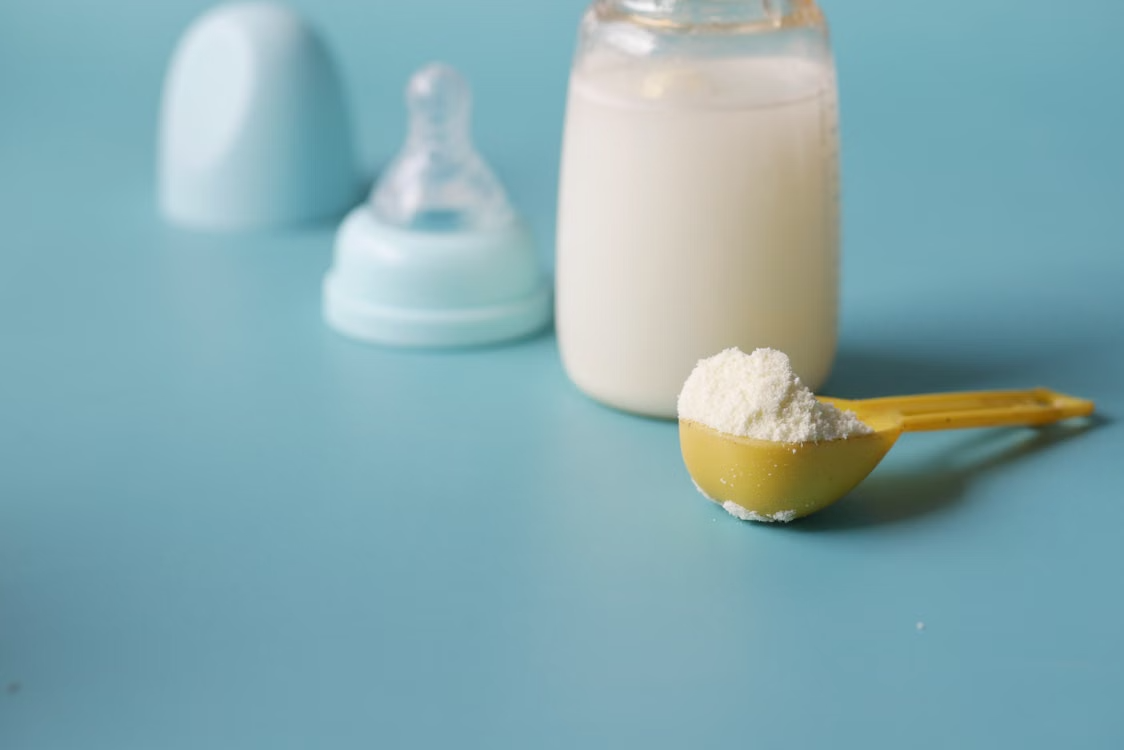
Once you're pumping, you'll need somewhere safe to keep what you collect. Food-grade breast milk storage bags or bottles keep it fresh in the fridge or freezer without picking up odors from other food, and knowing how long it lasts at each temperature makes planning your first big pumping session much easier.
Bottles and Slow-Flow Nipples
If anyone besides you will be feeding your baby, even occasionally, keep a few bottles with slow-flow nipples on hand. A slow flow mimics the pace of breastfeeding, which helps some babies move between breast and bottle without much confusion. Buy two or three to start, since flow preference varies baby to baby.
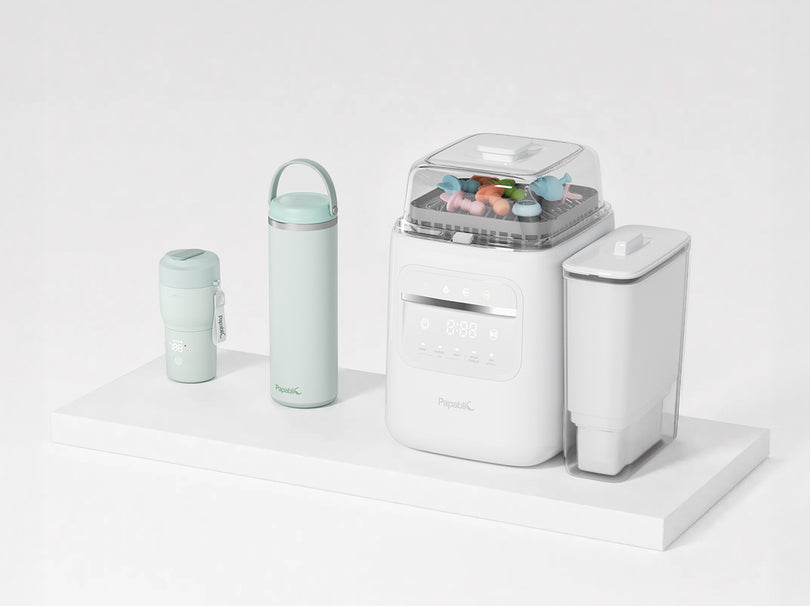
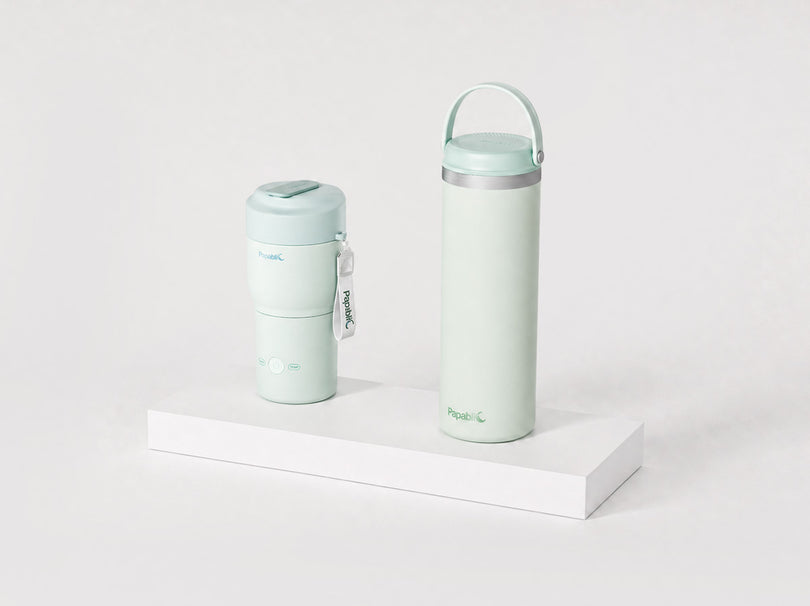
A Bottle Warmer: Papablic NutriWarm™ Portable Bottle Warmer
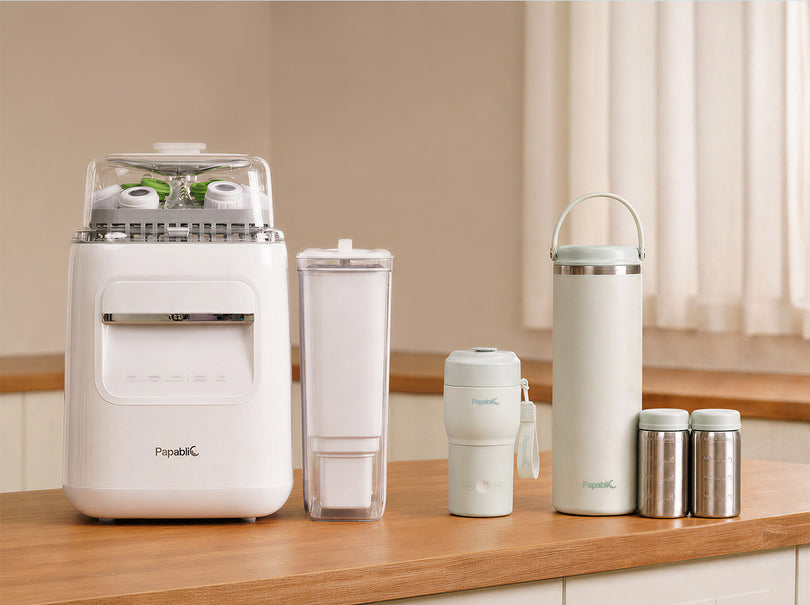
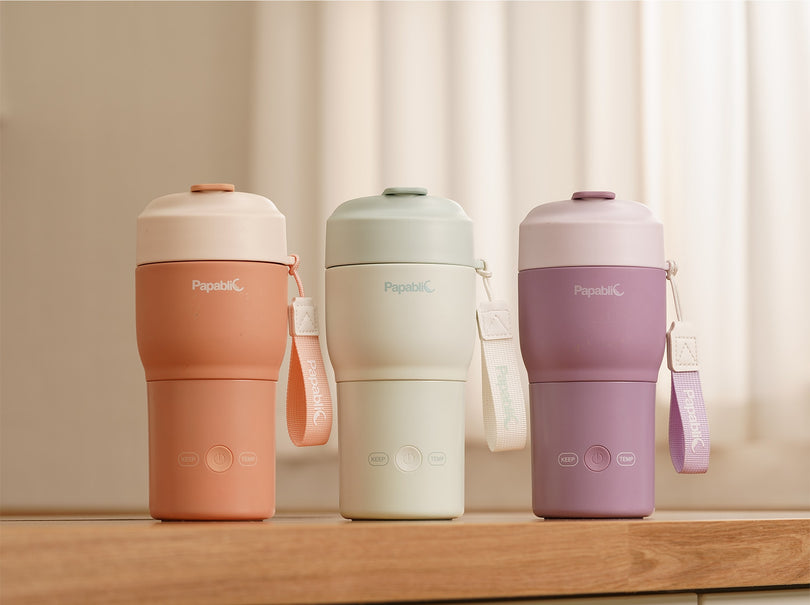
Cold breast milk straight from the fridge doesn't sit well with most babies, and a warmer takes the guesswork out of getting it to the right temperature. The Papablic NutriWarm™ Portable Bottle Warmer warms 4 ounces of refrigerated breast milk to 98°F (37°C) in about 2 minutes and 30 seconds, and it holds enough charge for 6 to 8 feeds between charges.
As the world's first portable warmer with built-in sterilization, it's useful for late-night feeds, road trips, or any moment a kitchen isn't nearby.

Once You're Established: Completing the Setup
By the time your routine feels familiar, a few more additions pay off, particularly around cleaning and keeping stored milk cold on the go.
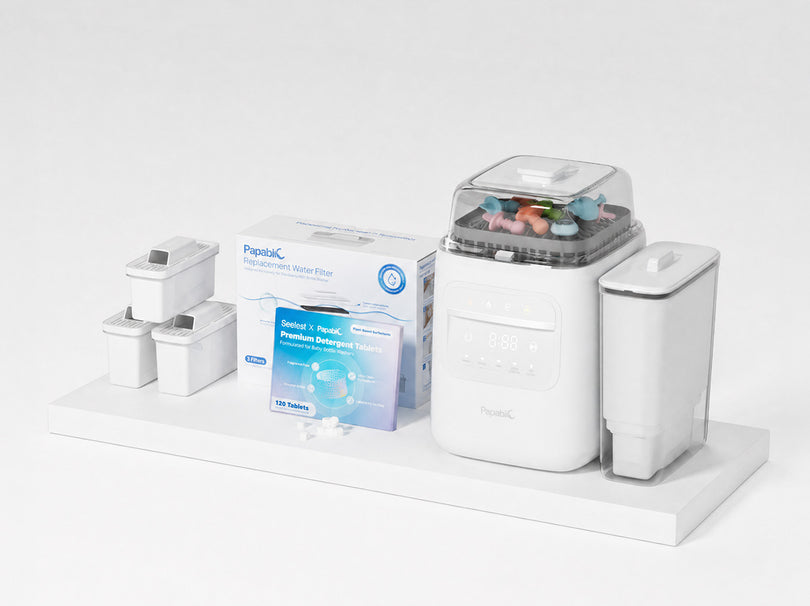
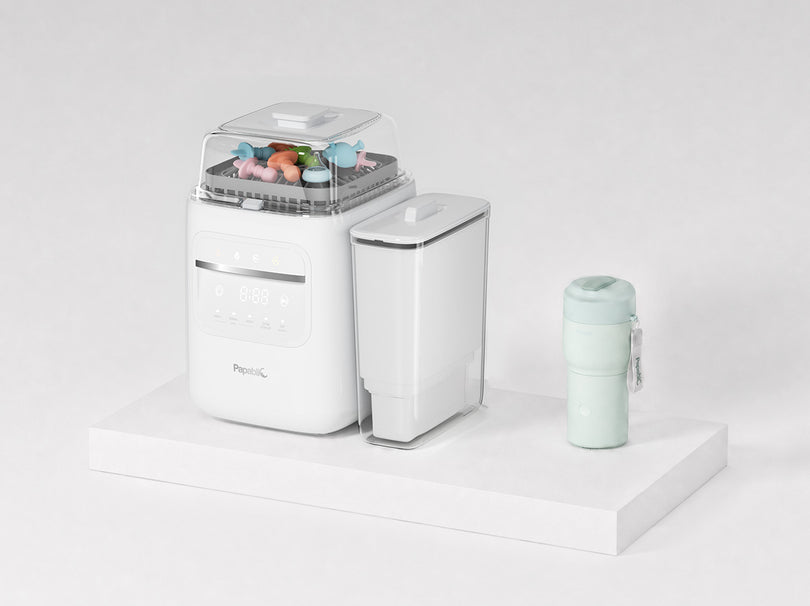
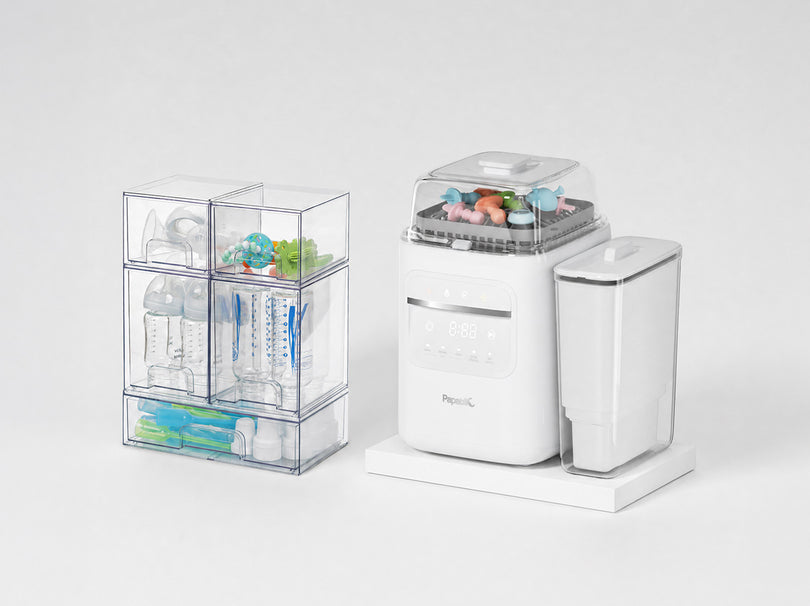
A Dedicated Cleaning System: Papablic SafeguardPlus™ Baby Bottle Washer System
Hand-washing bottles and pump parts every day is more than a chore. It's a mental load: remembering to do it, then wondering if every part actually got clean. Running bottles through a regular dishwasher alongside dinner plates isn't ideal either, since grease and food residue can transfer.
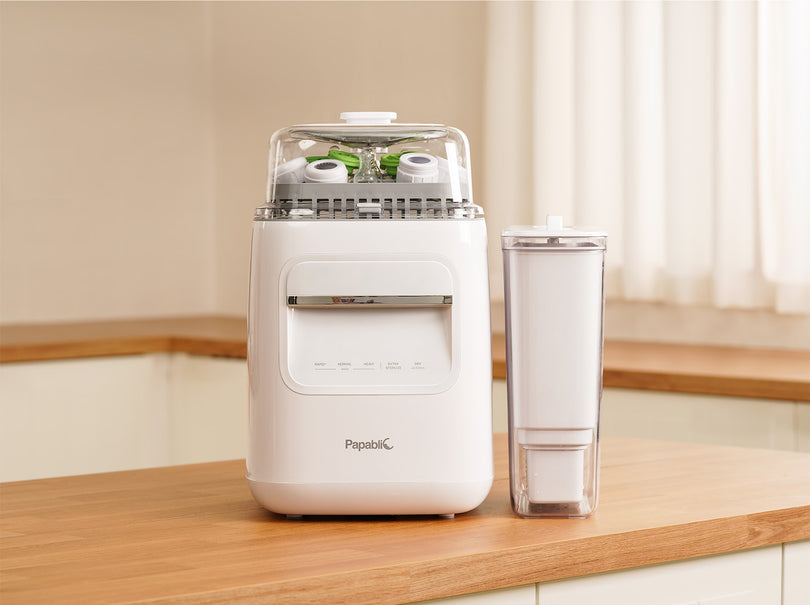
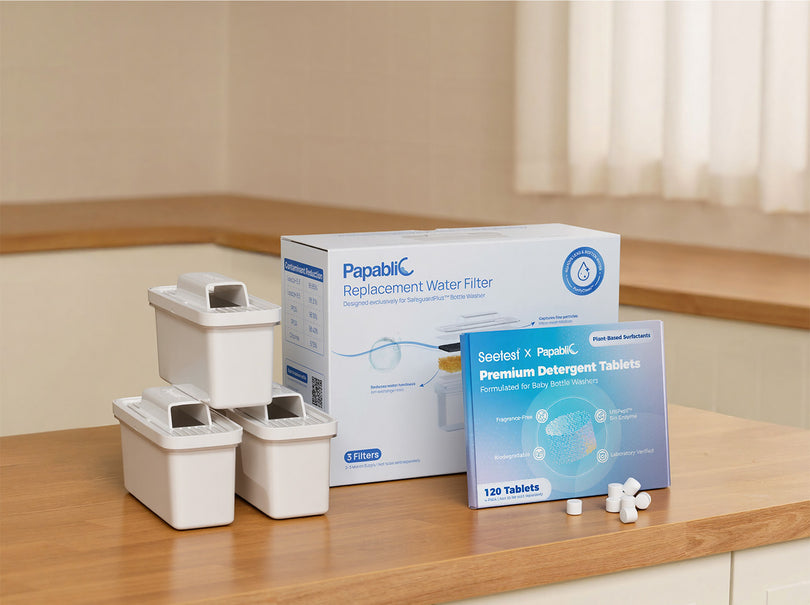
The Papablic SafeguardPlus™ Baby Bottle Washer System is the first and only bottle washer built with a water filter system, PurifyClean™, which softens water and removes contaminants before it touches a bottle.

From there, it washes, sterilizes, dries, and stores in one cycle, fitting up to 8 bottle sets or 2 pump part sets, with a 99.99% reduction in germs and 72 hours of hygienic storage after. Press start, and the second-guessing is gone.

A Hands-Free Pumping Bra
A hands-free pumping bra holds pump flanges in place so you can pump while eating, working, or resting for a minute. It's a small addition that makes regular pumping far less disruptive.
Extra Pump Parts
A backup set of flanges, valves, and membranes means you're never stuck waiting on a wash cycle. This matters most if you're pumping more than once a day or back at work.
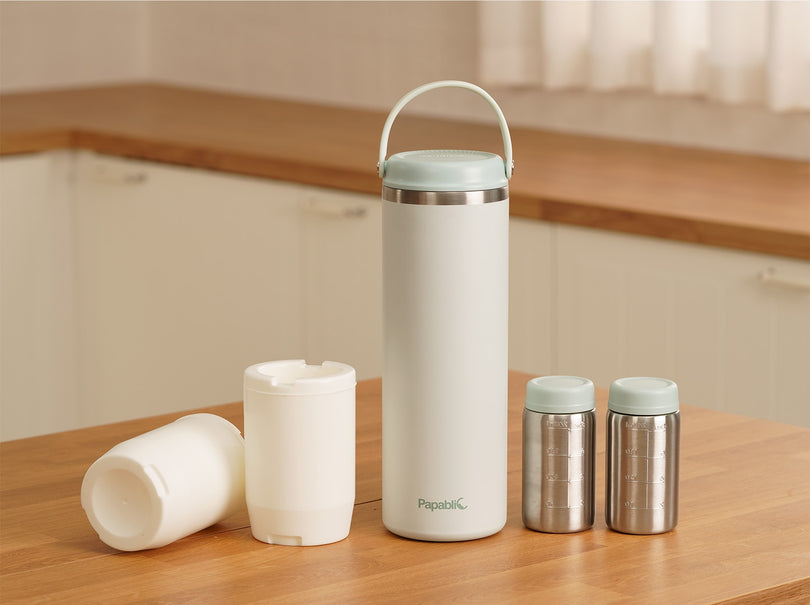
A Breast Milk Cooler: Papablic CapsuleChill™ Breast Milk Cooler
Traveling with pumped milk means keeping it cold, and a standard ice pack in a tote bag doesn't always cut it for a full day out. The Papablic CapsuleChill™ Breast Milk Cooler keeps breast milk below 40°F (4°C) all day, in line with CDC guidelines for safe refrigerator storage.
Its independent stainless steel bottles are portable and TSA-compliant, and the cooler itself is FDA approved, lead-free, and BPA-free. It pairs well with the warmer for a simple pump, chill, warm, and feed routine.

What You Can Probably Skip
Not everything marketed toward breastfeeding parents earns its shelf space. A few items are worth holding off on until you know you need them.
|
Item |
Why You Can Wait |
|
A nursing cover |
A lightweight blanket or scarf works just as well for most parents |
|
Nipple shields |
Best chosen with guidance from a lactation consultant, not bought as a default |
|
Specialty nursing loungewear |
Button-down shirts or tanks you already own usually work just as well |
|
A dedicated pumping bag |
Any roomy bag with a few pockets holds pump parts just as well |
Frequently Asked Questions
How Many Nursing Bras Do I Need?
Three to four nursing bras is enough to start. That covers one to wear, one in the wash, and a spare for the days your chest size feels different than the day before. Add more once you know which style and fit works best for you.
When Should I Start Buying Breastfeeding Supplies?
The last month before your due date is a practical time to buy the true essentials. Nursing bras, breast pads, and nipple cream are worth having on hand before delivery, since you won't have much time to shop afterward. Bottles or a pump can wait until feeding is underway and you know what you need.
Prepare, Feed, Clean: The Breastfeeding Essentials That Actually Matter
A breastfeeding essentials checklist doesn't need to be long to be useful. A few comfort basics before baby arrives, a pump and storage system once feeding gets going, and a reliable way to warm and clean bottles once you're established carry most families through the first year.
When you're ready to simplify the cleaning side of that routine, the Papablic SafeguardPlus™ Smart Feeding System handles the filtering, washing, sterilizing, drying, and storing in one step, so you spend less time at the sink and more time with your baby.