


If your baby wants to feed every hour and won't settle anywhere but your arms, you're not doing anything wrong. Cluster feeding by age tends to follow a pattern, and it eases as your baby grows. It can look different at two weeks than it does at three months, and knowing what's typical for your baby's stage makes those long stretches feel less like a guessing game. Here's what to expect at each age and how to get through it.
Key Takeaways
-
Cluster feeding tends to peak around 2 to 3 weeks, 6 weeks, 3 months, and 6 months, alongside growth spurts.
-
Most episodes last 1 to 7 days and ease on their own as milk supply catches up.
-
Frequent feeding and wanting to be held aren't signs of low supply by themselves.
-
Track wet diapers and weight gain, and check in with your pediatrician if those numbers seem off.
-
Falling asleep mid-feed is common, so plan for where that happens safely ahead of time.
What Is Cluster Feeding?
Cluster feeding is a pattern where a baby feeds several times over a short stretch, often every 30 to 60 minutes for a few hours, instead of following a predictable schedule. It typically shows up in the late afternoon or evening, and it isn't a sign that something's wrong with your milk or routine.
Babies cluster feed to signal their body to make more milk, work through a growth spurt, or get comfort. Even after you prepare for breastfeeding and feel ready for what's ahead, a cluster feeding stretch can still catch you off guard.
Signs of Cluster Feeding
Most cluster feeding episodes look similar, even if the timing varies:
Feeding every 30 to 60 minutes for a few hours straight, usually in the evening
Short, frequent feeds instead of one long one
Fussiness between feeds that settles once your baby latches or takes the bottle again
Wanting to be held constantly and resisting being put down
Normal wet diapers and steady weight gain despite the nonstop feeding
That last point matters most. On its own, without other warning signs, it's a phase your baby is moving through, not a problem to fix.
Cluster Feeding by Age: What to Expect at Each Stage
Cluster feeding shows up at a few predictable ages rather than randomly throughout infancy. Growth spurts that trigger it tend to cluster around the 2- to 3-week, 6-week, 3-month, and 6-month marks, according to the USDA's WIC Breastfeeding Support program.
|
Age or Stage |
What's Usually Happening |
Typical Length |
|
First week home |
Frequent, closely spaced feeds as milk supply establishes itself |
A few days, easing by day 5–7 |
|
2 to 3 weeks |
The first classic growth-spurt cluster |
1 to 3 days |
|
6 weeks |
Another common growth window, often paired with a fussier evening stretch |
1 to 3 days |
|
3 months |
Often lines up with a developmental leap, like rolling attempts |
A few days |
|
6 months |
Usually the last predictable cluster before feeding spreads back out |
2 to 4 days |
Every baby's timeline shifts a little. What matters more than the exact week is the pattern: a burst of frequent feeding that resolves within days, not weeks.
When Does Cluster Feeding End?
For most babies, it tapers off by around 6 months, once growth spurts space further apart and feeding settles into a steadier rhythm. Some babies pick it back up briefly around teething or a big developmental jump, but those bursts are usually shorter than the newborn clusters. If your baby is still feeding this way daily well past 6 months with no letup, that's worth a conversation with your pediatrician.
Is Hours-Long Feeding and Only Sleeping on You Still Normal?
Yes, wanting to feed for long stretches and only nap while held is common during this phase, especially in the newborn weeks. Babies regulate their temperature and stress hormones more easily against a parent's body, so a baby mid-cluster wanting to sleep on you makes sense. That same pull toward closeness often shows up as fussiness between feeds too, so if you have a fussy baby, not every cry means it's time to feed again.
Hours-long feeding raises a real safety question though. The NIH's Safe to Sleep program advises against couches and armchairs as sleep spots for babies, and that risk climbs if an adult dozes off there while feeding. If you're worried about dozing off overnight, it's safer to feed in your own bed with soft bedding cleared away than on a sofa or recliner.
When to Loop In Your Pediatrician
Reach out to your pediatrician if wet diapers drop, weight gain slows, or your baby seems unusually hard to wake instead of just sleepy. As a general benchmark, six or more wet diapers in 24 hours is a reassuring sign a baby is getting enough.
It's also common to second-guess yourself mid-cluster. If your baby is bottle-fed and taking more than usual, it's worth understanding what it actually takes to overfeed a newborn versus simply following hunger cues. When in doubt, your pediatrician is the right person to weigh in, not a search engine at 2 a.m.
Getting Through the Exhausting Stretches
These stretches are short on paper and long in the moment. A few things help:
Set up a feeding station with water, snacks, and your phone within reach before a long stretch.
Trade off with a partner or support person where possible, even just for one feed a night.
Lower the bar everywhere else for a few days. Laundry and dishes can wait; your baby's growth spurt can't.
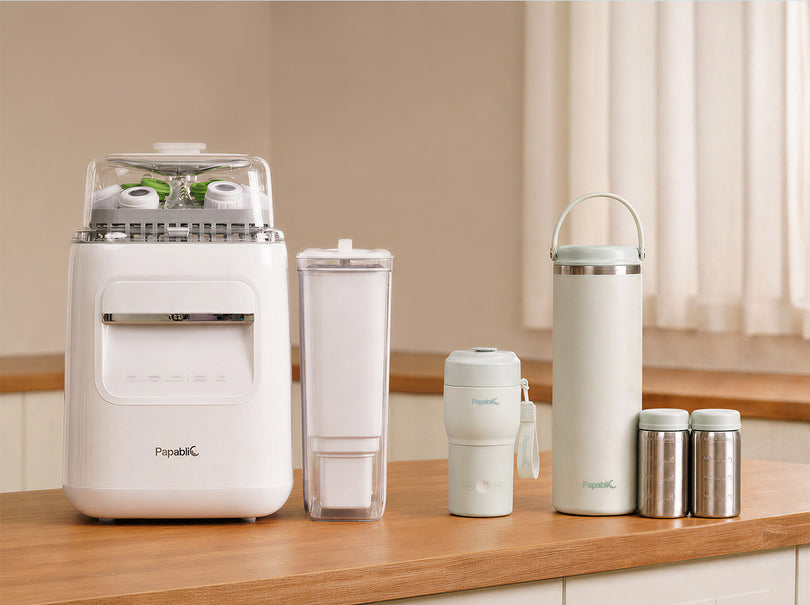
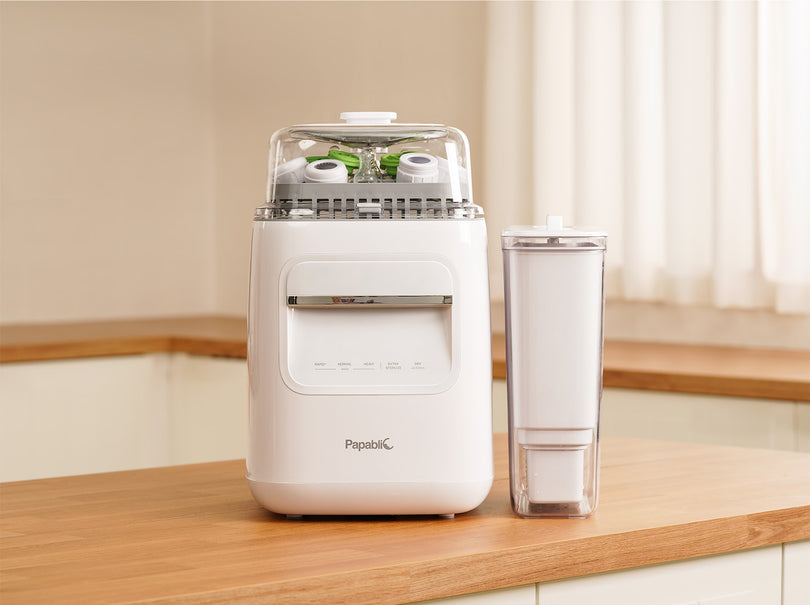
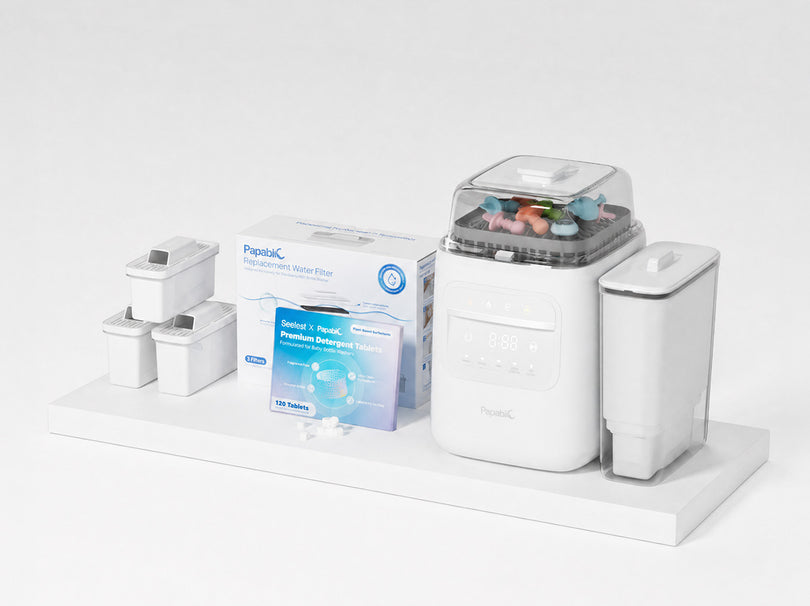
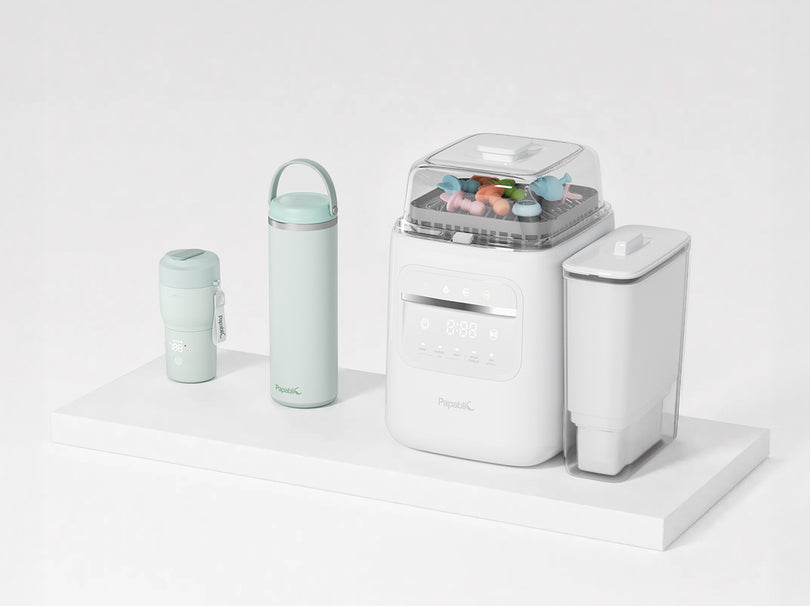
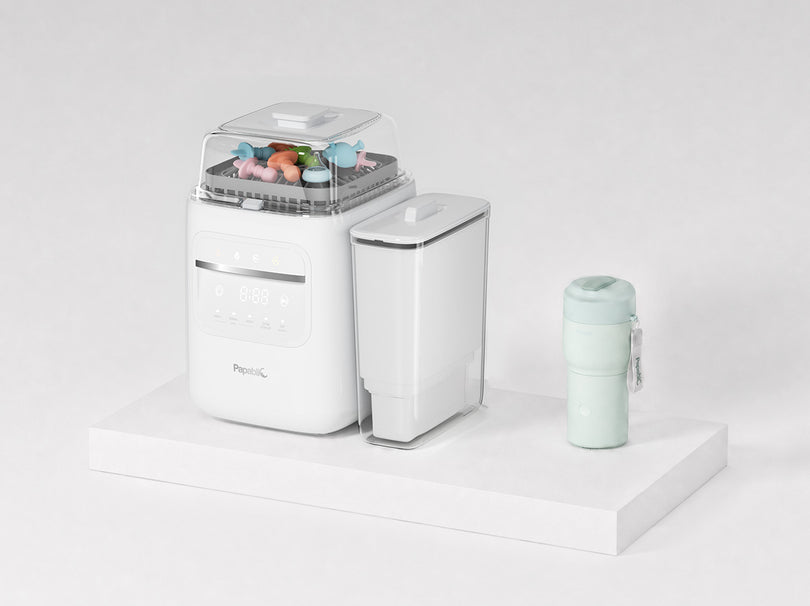
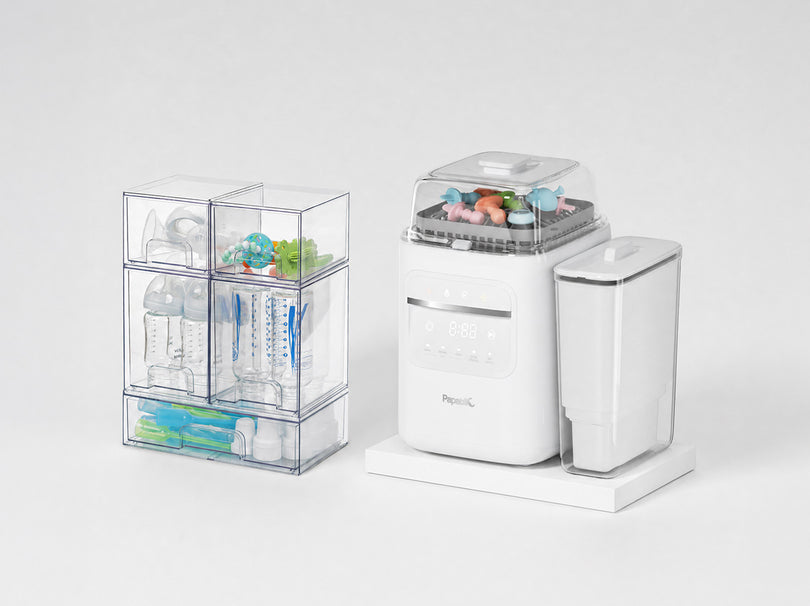
Let the washer handle bottle cleanup. When you're running on no sleep, the last thing you need is a sink of bottles waiting for you. The Papablic SafeguardPlus™ Baby Bottle Washer System takes that job off your hands, so the ten minutes you'd spend scrubbing and sterilizing can go toward resting, showering, or just sitting down for once.
That last point is where small changes add up. As one Papablic parent put it, "You don't understand how much this saves a mama's time and energy!"
How Papablic's Portable Bottle Warmer Eases Cluster Feeding Nights
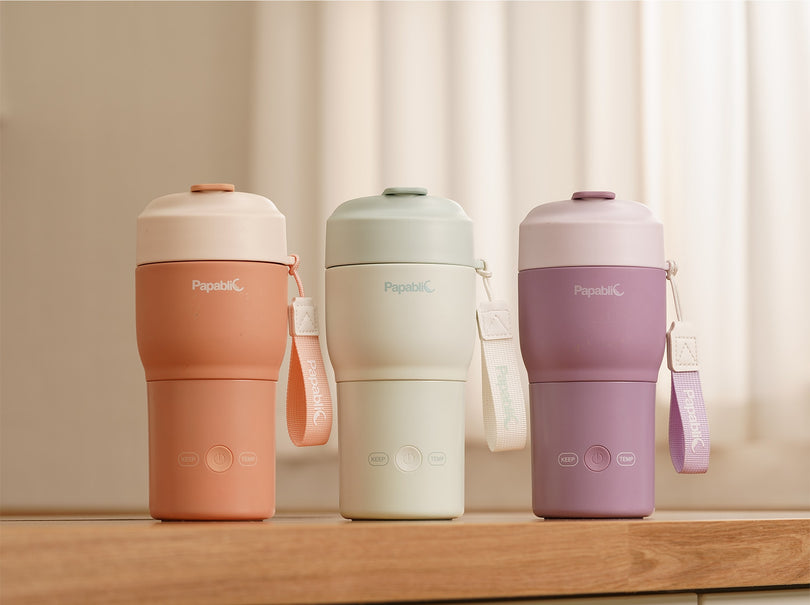
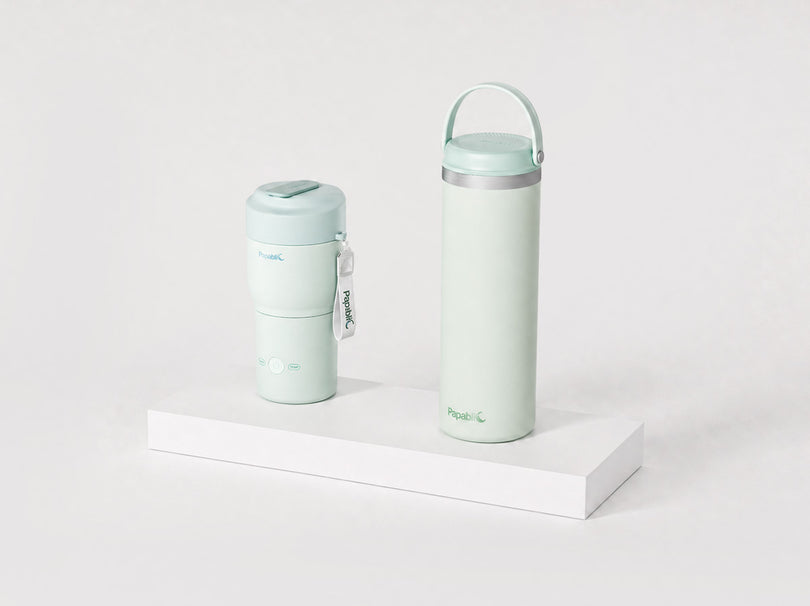
For bottle-fed and combo-fed babies, warming milk at 2 a.m. is its own kind of exhausting when a growth spurt means doing it every hour. The Papablic NutriWarm™ Portable Bottle Warmer warms 4 ounces of refrigerated breast milk to 98°F (37°C) in about 2 minutes 30 seconds, so you're not standing over a stove while your baby cries.
Because it's cordless and stays charged for 6 to 8 feeds, you're not hunting for an outlet at 3 a.m. or juggling a second gadget just to sterilize the bottle after. It's one less decision to make and one less step between a hungry cry and a warm bottle, so you can get your baby fed and get back to bed that much faster.
Frequently Asked Questions
How to Tell If a Newborn Is Cluster Feeding?
Look for feeds spaced 30 to 60 minutes apart over a few hours, usually in the evening, along with fussiness that settles once your baby latches or takes a bottle. Wet diapers and weight gain staying on track despite the frequency is the best sign this is a normal phase, not a feeding problem.
How Long Is It Normal for a Baby to Cluster Feed?
Most cluster feeding episodes last 1 to 3 days, occasionally stretching to a week during a bigger growth spurt. It usually resolves on its own once milk supply catches up to the new demand. A stretch that drags on for weeks without any letup is worth mentioning to your pediatrician.
How Do Babies Act During Cluster Feeding?
Babies tend to want to feed constantly, fuss between feeds, and resist being set down. Many only settle while held or against a parent's chest. That pattern usually passes within a few days as the growth spurt runs its course.
Can You Overfeed During Cluster Feeding?
It's uncommon when you're following your baby's hunger cues, since babies generally stop feeding once they're full. It's more of a concern with bottle-feeding, where it's easier to encourage extra ounces than it is at the breast. Pacing bottle feeds and watching for fullness cues keeps intake in line with what your baby needs.
What Weeks Are Most Common for Cluster Feeding?
It shows up most often around 2 to 3 weeks, 6 weeks, 3 months, and 6 months old. These windows line up with common growth spurts and developmental leaps. Every baby's exact timing varies, but these ages are the ones parents report most.
Understanding Cluster Feeding by Age Helps Parents Feed with Confidence
Cluster feeding looks different at 2 weeks than at 3 months, but the pattern underneath stays the same: short, frequent feeds that build to a peak and ease off within days. Knowing what to expect at each stage makes those stretches feel a lot less uncertain.
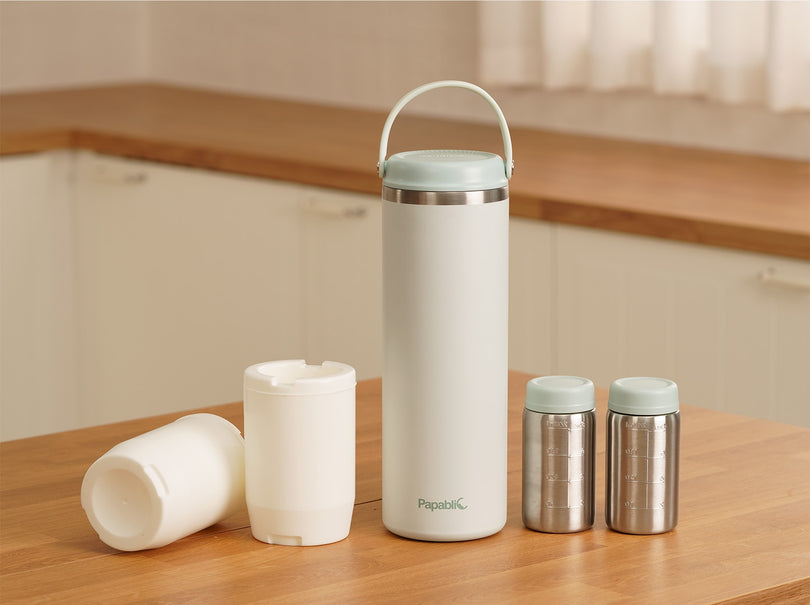
Cutting down on the tasks competing for your attention matters too. During a stretch when you have nothing left to give, the Papablic SafeguardPlus™ Smart Feeding System takes the washing, warming, and prepping off your plate, so more of your energy can go toward your baby instead of your bottles.