
Your baby drifts off mid-feed, bottle still half full on the nightstand. Do you save it or toss it? A formula bottle left out at room temperature is only safe for a short window before bacteria start to multiply. September is Baby Safety Month, and this year's campaign from the Baby Safety Alliance is all about "convenience culture," i.e., the shortcuts and hacks parents pick up without always realizing the safety trade-offs.
Here's exactly how long a formula bottle can sit out, what changes once your baby starts drinking, and a few habits that make formula timing second nature.
Key Takeaways
-
Freshly made formula is safe at room temperature for up to 2 hours; discard after that.
-
Once your baby starts drinking, use the bottle within 1 hour, then discard leftovers.
-
Formula refrigerated right after mixing stays safe for up to 24 hours.
-
Never return a warmed bottle to the fridge or reheat it twice.
-
Cloudy texture, sour smell, or separation are signs formula has gone bad.
Why Does a Formula Bottle Have a Time Limit at Room Temperature?
Formula sitting at room temperature gives bacteria the warm, nutrient-rich environment they need to multiply. Once mixed with water, formula isn't sterile, and milk-based liquids left between roughly 40°F (4°C) and 140°F (60°C) sit in what food safety experts call the danger zone.
Saliva speeds things up further. The moment your baby starts drinking, bacteria from their mouth mix into the bottle, giving a sipped bottle a shorter safe window than an untouched one. Clear time limits protect your baby's safety without adding another thing to remember mid-feed.
How Long Can a Freshly Made Formula Bottle Sit Out?
A freshly made formula bottle is safe at room temperature for up to 2 hours, as long as your baby hasn't started drinking from it. That clock starts the moment you finish mixing, not when you set the bottle down. If your baby won't be ready right away, the fridge is a better bet than the counter.
Temperature matters just as much as timing. How warm a baby bottle should be affects your baby's comfort, and warming it right before serving beats letting it sit warm on the counter while you wait.
How Long Can a Refrigerated Formula Bottle Be Used?
A formula bottle stored in the refrigerator right after mixing stays safe for up to 24 hours. Keep it toward the back of the fridge, where the temperature stays most consistent, rather than in the door. Warmed formula follows the same clock as a fresh bottle from there, depending on whether your baby's already had a sip.
Formula Storage Time Limits at a Glance
|
Formula Status |
Room Temperature |
Refrigerator |
|
Freshly mixed, not yet offered |
Up to 2 hours |
Up to 24 hours |
|
Bottle your baby has started drinking |
Up to 1 hour |
Discard, don't refrigerate |
|
Refrigerated bottle, warmed for a feed |
2 hours before drinking, 1 hour after |
Don't return to the fridge |
What Happens If Your Baby Doesn't Finish the Bottle?
If your baby doesn't finish a bottle, the safest choice is to pour out what's left rather than save it for later. That single habit removes most of the guesswork around formula safety. It's exactly the kind of moment Baby Safety Month calls out this year: saving "just a little" leftover formula can feel like a harmless shortcut, but it's one of those convenience habits worth rethinking.
Why You Can't Save a Partially Used Bottle
Most guidance on how to bottle feed a newborn covers latch, pacing, and burping, but rarely how long a made-up bottle stays good once feeding starts. Bacteria from your baby's mouth transfer into the bottle the moment feeding starts, and refrigerating or reheating that milk won't undo what's already growing.
Even when leftover formula looks and smells fine, bacteria multiply quickly once it warms back up for a second try. Pouring it down the drain at 3 a.m. feels wasteful, but it's a small cost against an upset tummy.
Ways to Avoid Wasting Formula
A few habits cut down on how much formula ends up in the sink. Start with smaller bottles for younger babies; a 2-ounce bottle wastes far less than a 6-ounce one if your baby only wants an ounce. Watching hunger cues before mixing, rather than prepping on a fixed schedule, also helps match supply to appetite.
How Can You Tell If a Formula Bottle Has Gone Bad?
Formula that's gone bad usually looks, smells, or feels different from a fresh bottle. Watch for a sour smell, a curdled or chunky texture that doesn't shake back together, or a yellowish tint instead of the usual pale white color. Separation that fixes with a gentle shake is normal; separation that stays after shaking is not.
These signs aren't always obvious, which is why time limits matter more than trusting your senses alone. When you're unsure how long a bottle's been out, treating it as expired is the safer call.
Simple Habits That Take the Guesswork Out of Formula Timing
A consistent routine makes it much easier to know exactly how long a bottle has been sitting out. Jotting the mix time on a strip of tape on the bottle removes the guesswork, especially during blurry overnight feeds when the clock is the last thing on your mind. Small routines like this are what Baby Safety Alliance's Baby Safety Month is designed to encourage: verified, judgment-free habits instead of guesswork or online shortcuts.
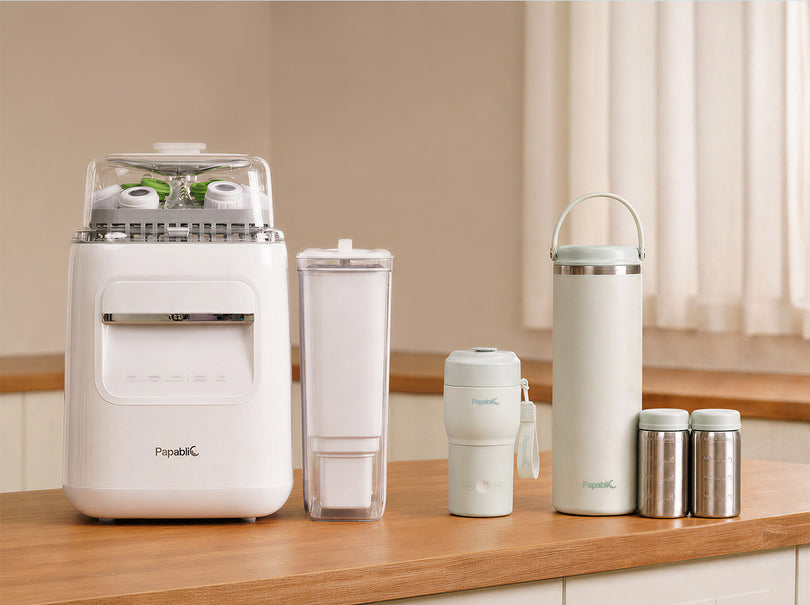
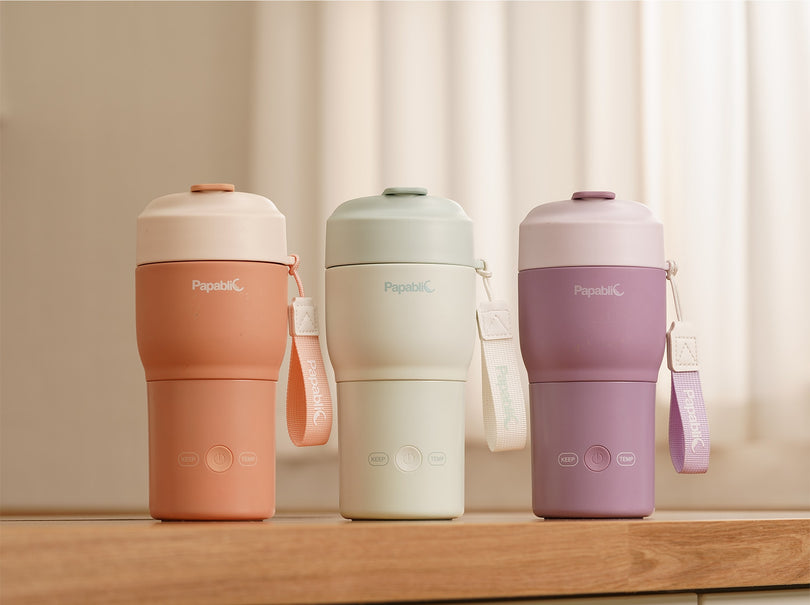
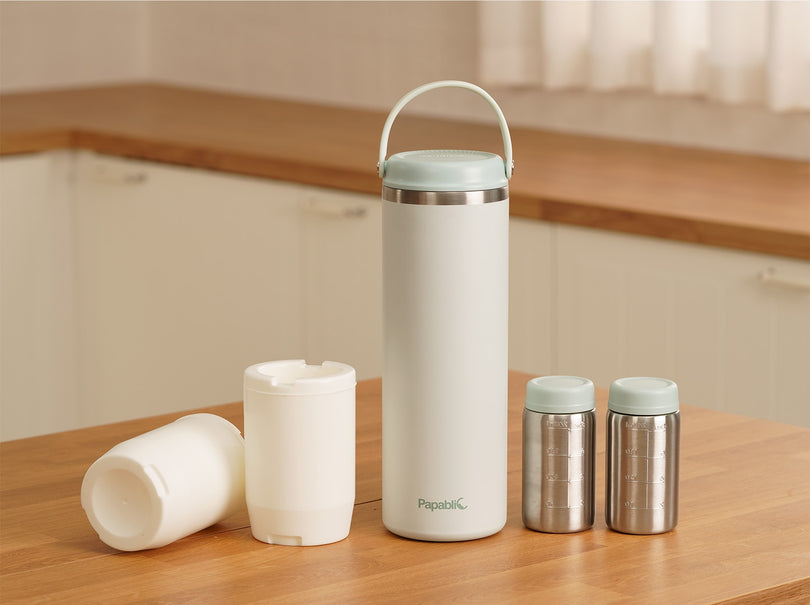
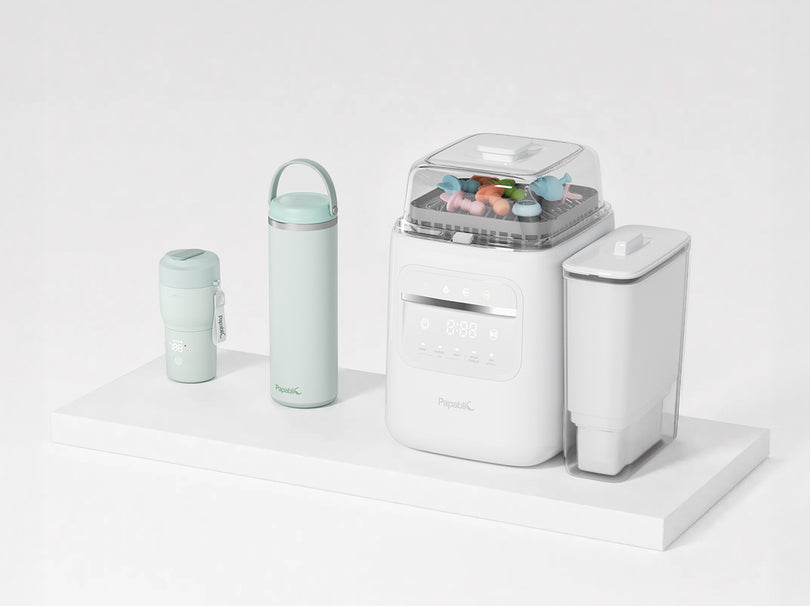
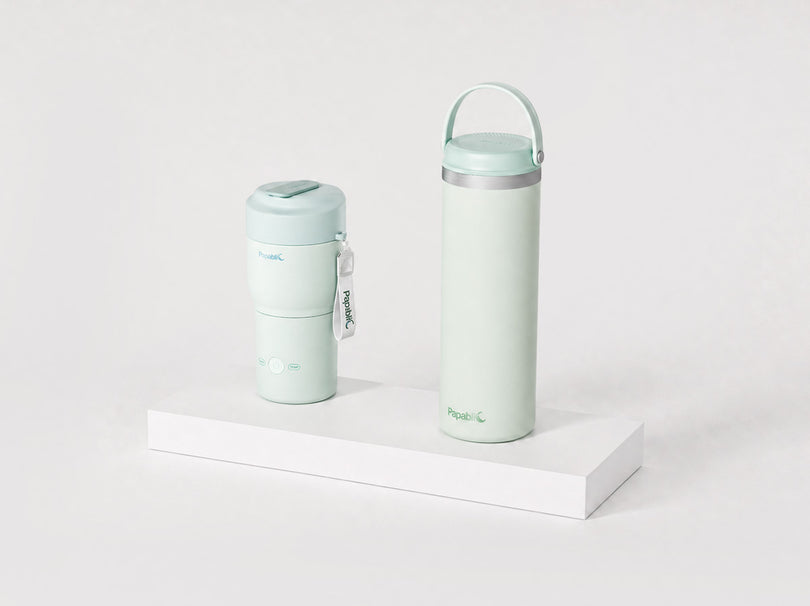
Warming quickly matters just as much. The Papablic NutriWarm™ Portable Bottle Warmer warms a refrigerated bottle in about two and a half minutes, keeping that fresh-from-the-fridge window in your favor.
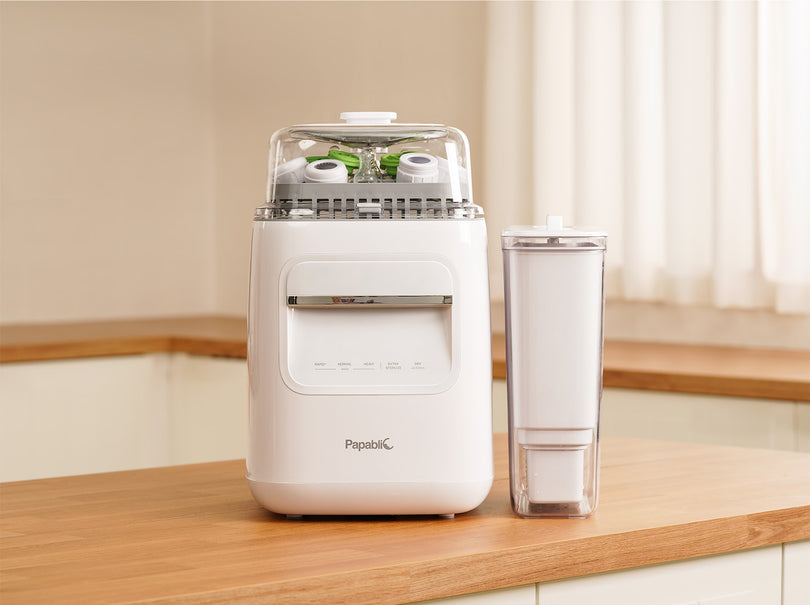
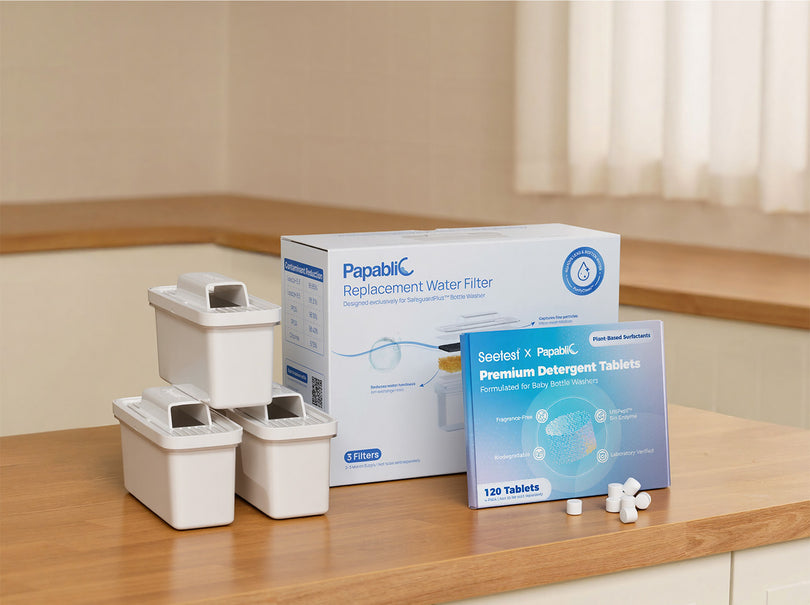
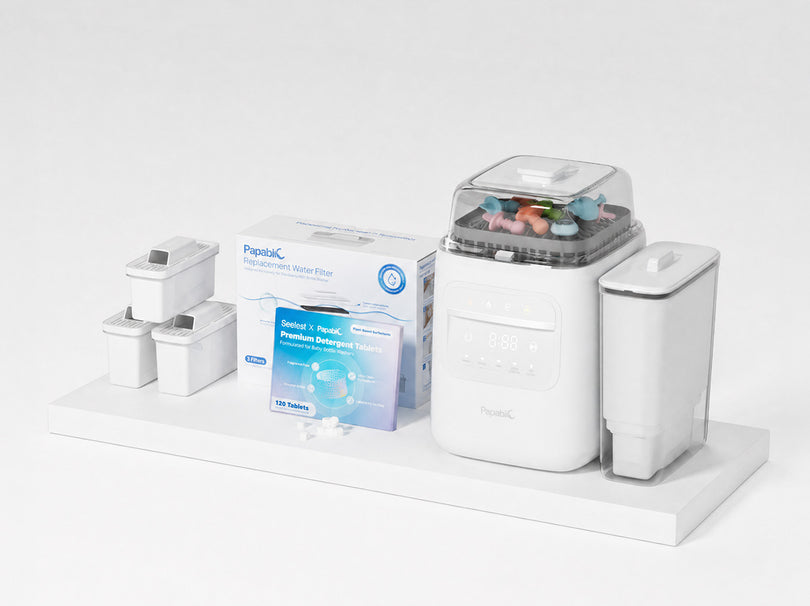
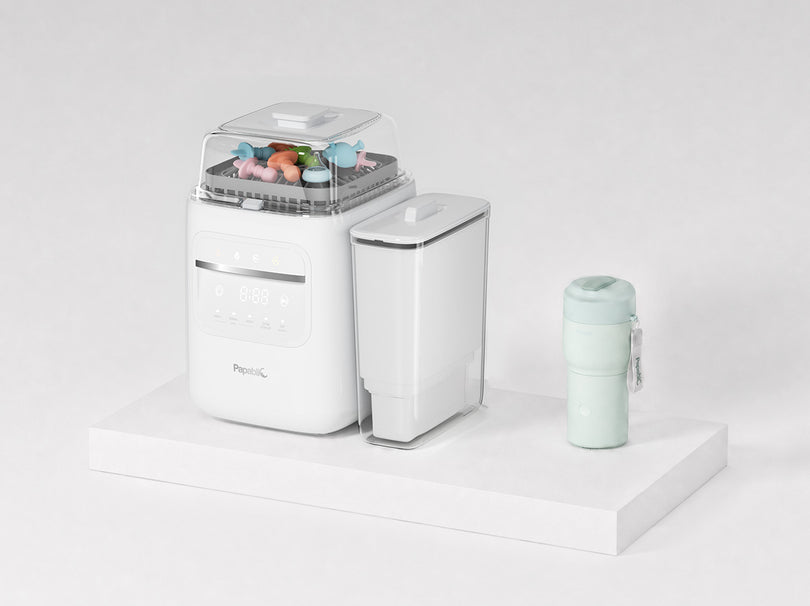
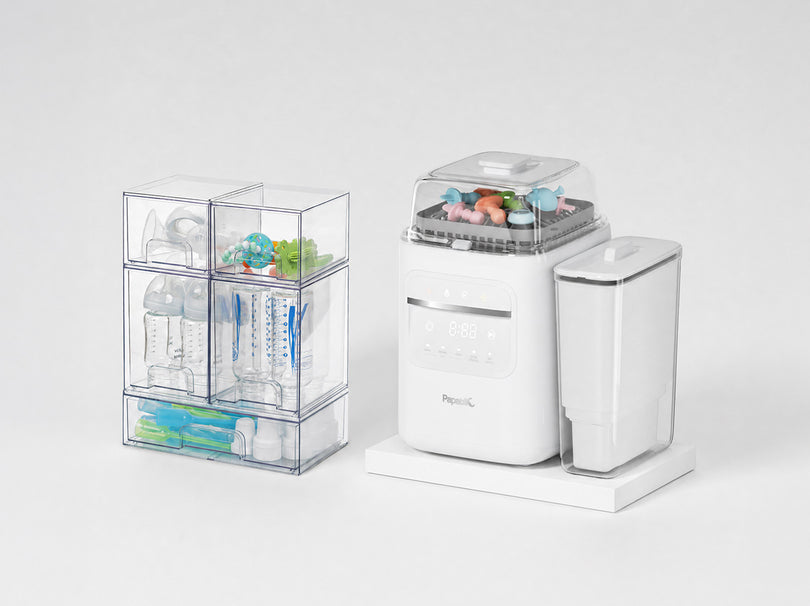
Bottles that stay clean and dry between uses are also easier to grab and fill the moment you need them, instead of leaving you scrambling mid-feed. The Papablic SafeguardPlus™ Baby Bottle Washer System handles washing and drying in one step, so bottles stay ready without extra work.
It filters the water, washes, sterilizes, dries, and stores up to 8 bottles and 2 pump parts in one cycle, so everything comes out clean, dry, and ready to grab without extra scrubbing or air-drying racks.

Frequently Asked Questions
What Happens If I Give My Baby Formula After 2 Hours?
Formula left out for more than 2 hours has had time for bacteria to multiply beyond a safe level, so it's best to discard it instead of feeding it to your baby. Bacterial growth isn't something you can see or smell early on, even when the bottle looks fine. When timing is uncertain, pouring it out is the safer choice.
How Long Can a Formula Bottle Sit Out?
A freshly made formula bottle can safely sit out at room temperature for up to 2 hours before your baby starts drinking, or 1 hour after feeding begins. These limits apply to powder or liquid concentrate alike. Refrigerating an unused bottle right after mixing extends its safe window to 24 hours.
Can I Pre-make Bottles of Formula?
Yes, you can pre-make formula bottles and store them in the refrigerator for up to 24 hours. Mix each bottle, cool it quickly, and place it toward the back of the fridge, where temperatures stay most consistent. Labeling each bottle with the prep time keeps you clear on how long it's been stored.
What Happens If I Feed My Baby 3 Hour Old Formula?
Formula that's been out for 3 hours has passed the safe 2-hour window, giving bacteria extra time to grow. Feeding it to your baby raises the chance of an upset stomach. If a bottle's been sitting out that long, prepare a fresh one instead.
Following Formula Time Limits Protects Your Baby and Takes the Stress Out of Feedings
Knowing your formula timelines (2 hours at room temperature, 1 hour once your baby starts drinking, and 24 hours in the fridge) takes the guesswork out of some genuinely exhausting decisions. Baby Safety Month is a good reminder that small, verified habits like these matter more than the parenting shortcuts that circulate online.
The Papablic NutriWarm™ Portable Bottle Warmer warms a refrigerated bottle in about two and a half minutes, so you can serve on your baby's schedule instead of estimating when to start.
The Papablic SafeguardPlus™ Baby Bottle Washer System covers washing, sterilizing, and storage in one place, so keeping formula on a safe timeline is already taken care of.