

Introduction
Bottle washer pricing looks simple until you are cleaning the fifth bottle of the day, a set of pump parts, and still waiting for everything to dry before the next feed. That is where many new parents misjudge cost. A cheap baby bottle washer can leave you doing half the work by hand, while an oversized premium machine can waste budget on features your feeding routine never uses.
This guide breaks down how much you should spend on a high-quality bottle washer by starting with hygiene needs, then matching features to your daily workload, and finally sorting options into practical budget bands. Along the way, you will see where a Baby Bottle Sterilizer, Bottle Sterilizer and Dryer, Portable Bottle Warmer, and Breast Milk Cooler fit into broader All-in-One Feeding Solutions for busy households, including NICU parents.
Bottle Washer Fundamentals

A Baby Bottle Washer is only valuable if it solves the full cleaning job, not just part of it. In practice, that means you need to separate washing, sanitizing, drying, and storage into distinct steps. Cleaning removes milk film and residue first. Sanitizing adds another layer of protection after cleaning, which matters more for younger or medically vulnerable infants.
Why hygiene comes before budget
According to the CDC, daily sanitizing gives extra protection for babies under 3 months, preterm infants, and babies with weakened immune systems. The same guidance also notes that a dishwasher with hot water and a heated drying cycle can reduce the need for separate sanitizing. That means the right spending level depends less on sticker shock and more on your feeding load, your drying needs, and your risk tolerance.
- Wash first, then sanitize if needed
- Drying matters because moisture supports contamination
- Storage matters when bottles sit between feeds
- Capacity matters if you pump often
What usually drives price
Bottle washer pricing usually rises with automation, capacity, and workflow control. Wash-only machines sit lower. Mid-tier systems often add Steam Sterilizer and Hygienic Bottle Dryer functions. Premium units usually combine washing, Baby Bottle Sanitizer, drying, storage, and extra water handling in one countertop machine.
- Entry tier: wash basics
- Mid-tier: wash plus sterilize or dry
- Premium tier: all-in-one workflow
- Best value: enough function for your real routine
Handwashing vs Machine Washing Costs

The highest cost is often not the machine. It is the repeated labor around every feed. Handwashing can work well, but it depends on caregiver consistency, sink access, drying space, and how tired everyone is at 2 a.m. If your routine slips, the real penalty is not only time. It is uncertainty.
What this means
- Handwashing costs less upfront
- Manual routines vary by person and shift
- Drying racks add clutter and wait time
- Machines buy back repeatable daily time
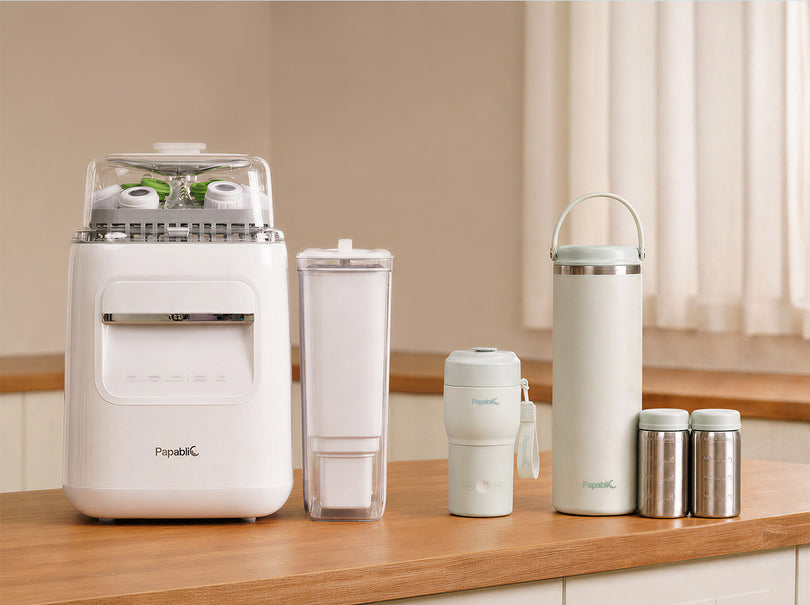
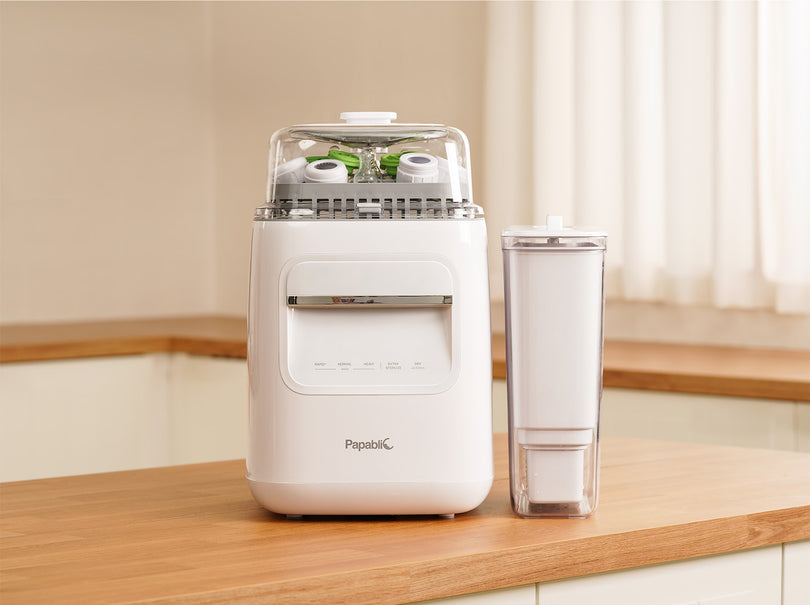
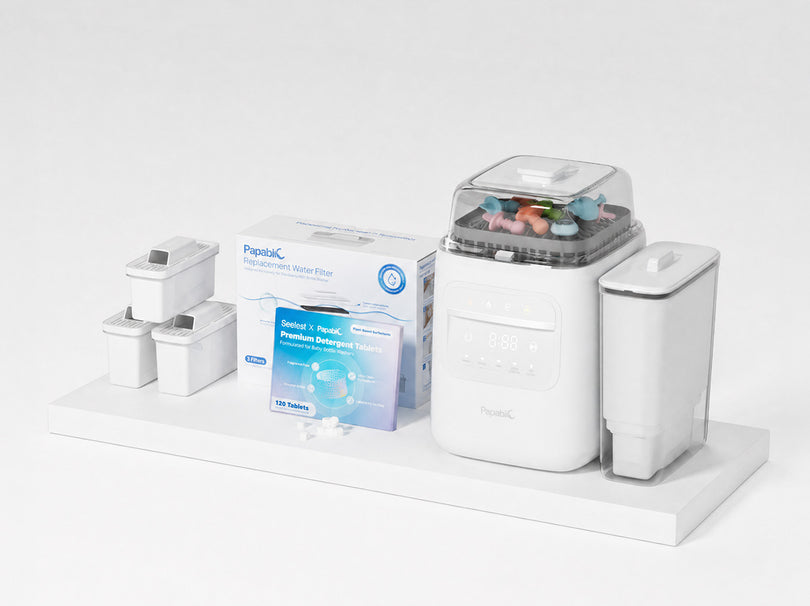
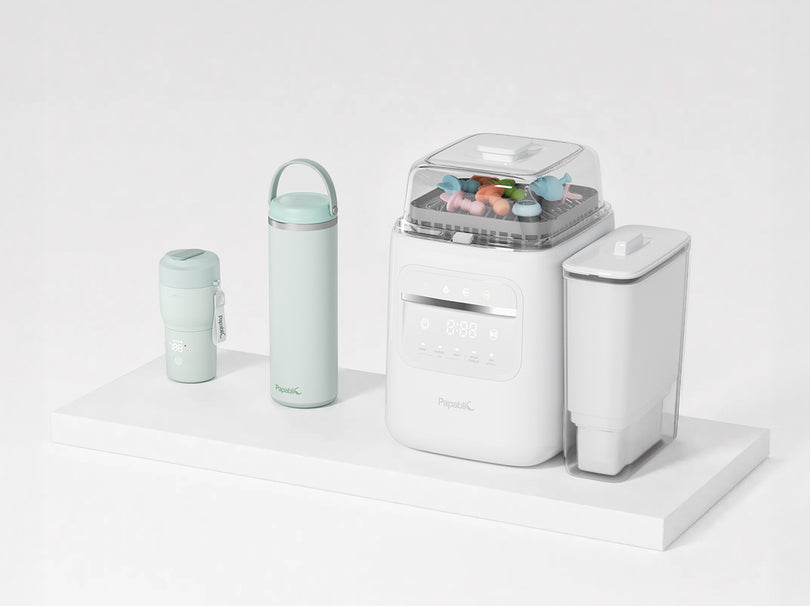
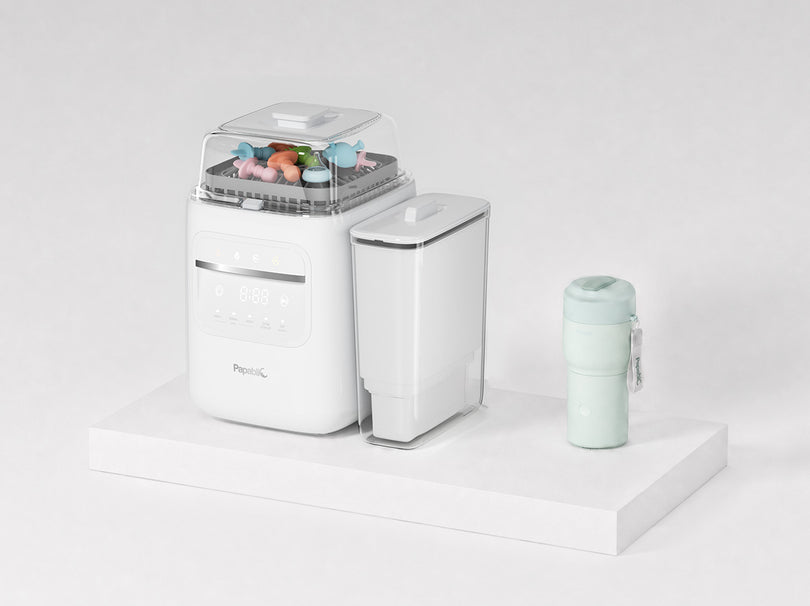
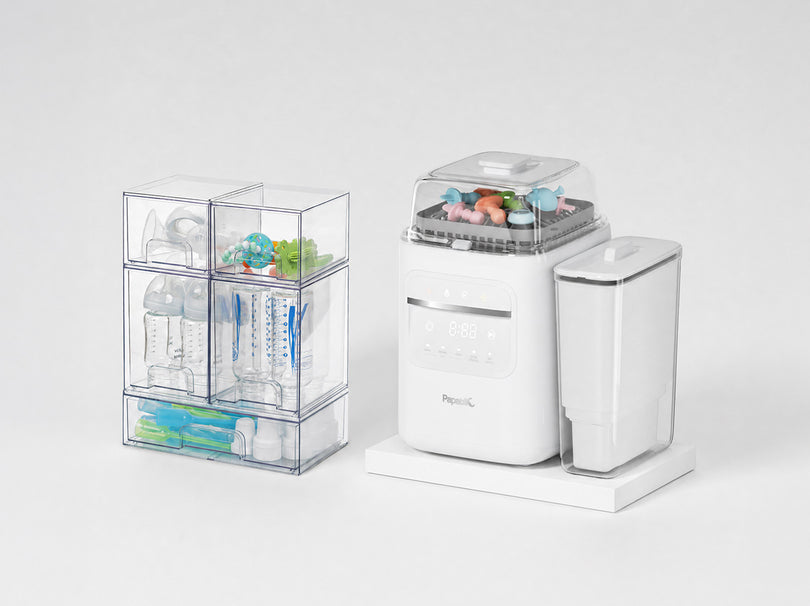
Papablic positions the SafeguardPlus Baby Bottle Washer System as a 5-in-1 Bottle Cleaning System with built-in PurifyClean Water Purification, room for 8 bottles and wearable pumps, 72-hour hygienic storage, and materials described as 100% baby safe. For pumping-heavy homes, that turns a bottle washer into a repeatable Baby Feeding System instead of another partial appliance.
Shop: Papablic SafeguardPlus Baby Bottle Washer System
What Budget Tiers Usually Include
A high-quality bottle washer does not need to be the most expensive model on the market. It needs to cover the steps you would otherwise finish by hand. That is why mid-premium machines often beat cheaper units on real value, especially if you need an Automatic Bottle Cleaner that also handles drying.
Key specs or signals
| Tier | Typical functions | Best fit |
|---|---|---|
| Entry | Wash only | Low bottle volume |
| Mid | Wash, sterilize, dry | Daily mixed feeds |
| Premium | Wash, dry, store, purify | Pump-heavy homes |
- Entry tier works if you already own a dishwasher or Quick Bottle Sterilizer
- Mid-tier fits most new parents using bottles every day
- The premium tier fits high-frequency feeding and pump-part cleaning
- Compare cycle scope, not price alone
When Premium Pricing Makes Sense
Premium pricing makes sense when your workload is hard to simplify. NICU parents, exclusive pumpers, and families handling frequent bottle turnover need more than a basic Baby Bottle Cleaner. They need routine control. If a machine washes, sanitizes, dries, and stores in one chamber, it reduces handoffs and missed steps.
Best fit
- NICU parents need tighter hygiene routines
- Exclusive pumping households
- Families washing bottles and pump parts all day
- Small kitchens need fewer separate devices
Momcozy's DeepClean D8 shows where competitor premium systems cluster: all-in-one automation, 112,000 Pa high-pressure warm water spray, and integrated sterilizing support on the same countertop platform. That comparison is useful because it shows premium buyers are not just paying for branding. They are paying for cycle depth, spray coverage, and fewer manual finishing steps.
All-in-One Feeding Workflow Fit
A bottle washer delivers more value when it fits the whole feeding routine. That is why many parents should not judge a baby bouncer in isolation. The better question is whether it reduces friction across wash, warm, store, and transport.
What to check
- Pair a Bottle Washer with Sterilizer with a Baby Bottle Sterilizer backup
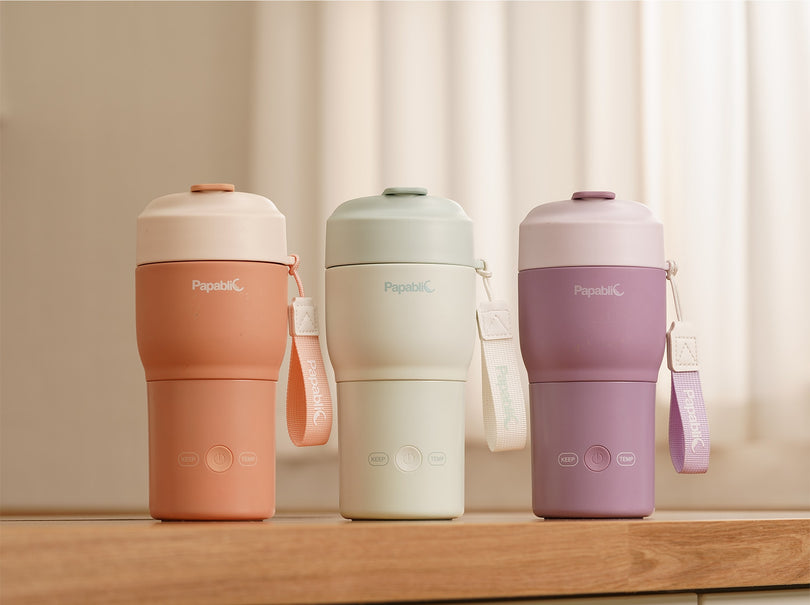
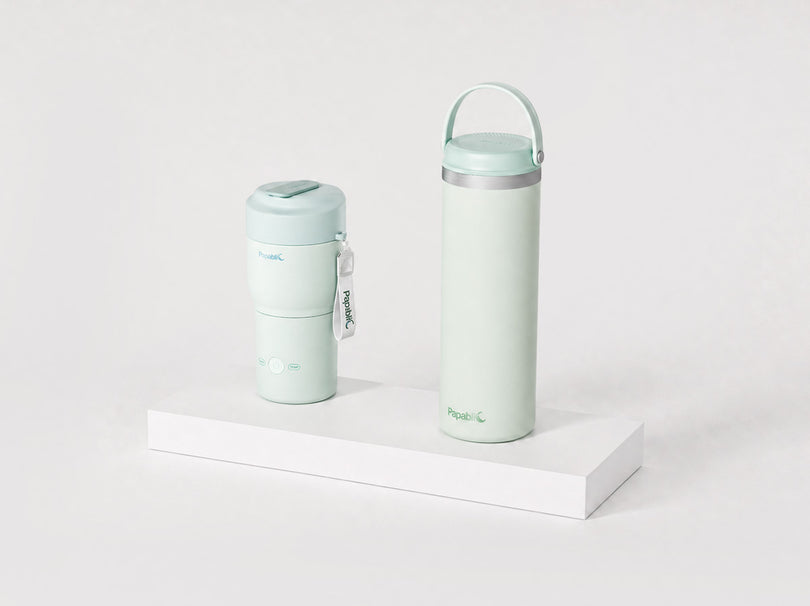
- Add a Portable Bottle Warmer for travel feeds
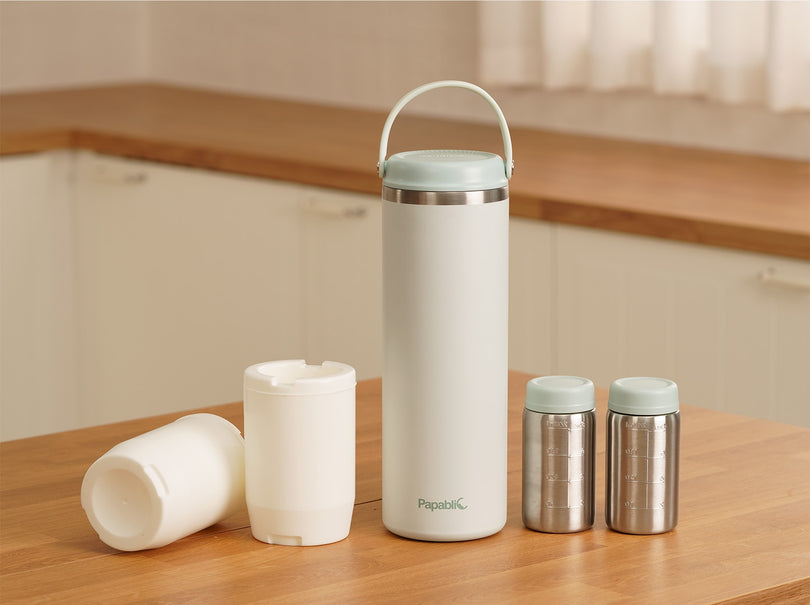
- Use a Breast Milk Cooler for transport planning
- Keep Feeding Essentials in one repeatable station
Papablic's site groups SafeguardPlus Washer, 4-in-1 Bottle Sterilizer, Bottle Warmers, and Breastmilk Cooler under one feeding lineup. For families building All-in-One Feeding Solutions, that ecosystem matters because it reduces countertop overlap and helps create a Smart Baby Bottle Station at home.
How to Choose a High-Quality Bottle Washer
Start with your feeding volume, then narrow by cycle scope. A Baby Bottle Washer with strong drying and storage features often gives better value than a cheaper machine that still leaves wet parts on the counter.
What to check
- Capacity: 8-bottle class fits pumping-heavy homes
- Cycle scope: wash, sterilize, dry, store
- Drying quality: fully dry beats damp storage
- Footprint: match your kitchen space
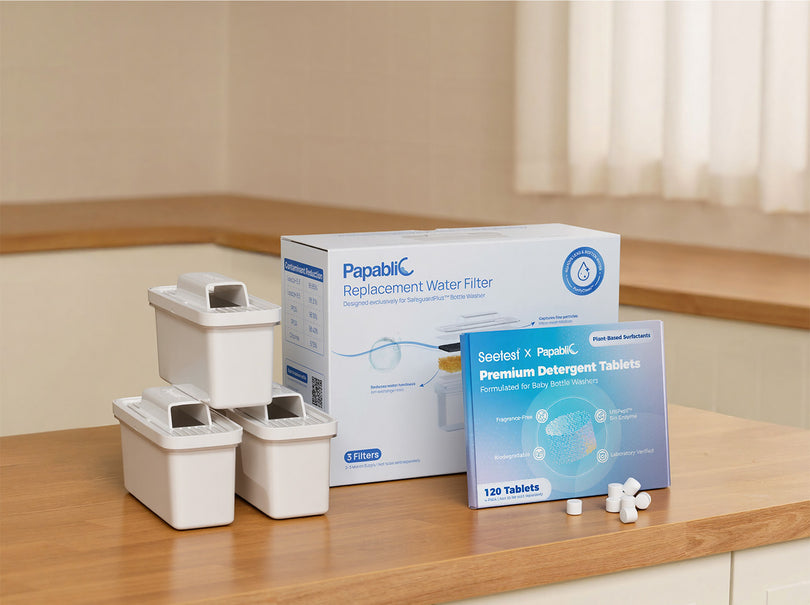
- Maintenance: filters, tablets, descaling
| Factor | Why it matters | Better choice when |
|---|---|---|
| Capacity | Fewer repeat loads | You pump daily |
| Drying | Cleaner storage | You need fast turnover |
| Storage | Less recontamination | Bottles sit between feeds |
| Purification | Better water handling | Local water is hard |
Conclusion
You should spend enough on a high-quality bottle washer to remove the steps that keep breaking your routine. For many new parents, the sweet spot is mid-premium because that is where wash, sterilize, dry, and storage functions begin to work like one system instead of four separate chores. If you are handling heavier bottle volume, pump parts, or NICU-level caution, premium features can be justified because they reduce repeat labor and improve consistency.
FAQ
Is a bottle washer necessary for first-time parents, or is handwashing or using a dishwasher sufficient for cleaning baby bottles?
Handwashing or a dishwasher can be enough if your routine is consistent and your bottles are fully dry between uses. A bottle washer becomes more valuable when you clean items many times a day or need more repeatable drying and storage. This is especially true for new parents who are also washing pump parts and nipples on a tight schedule. If your current setup keeps leaving damp pieces on the counter, a dedicated system may solve a real workflow problem.
Is a bottle washer worth it in the long run compared with handwashing or a dishwasher?
Yes, it can be worth it when your household washes bottles every day, and the workload keeps repeating. The long-term value usually comes from saved time, fewer interrupted feeding cycles, and more consistent results across caregivers. Machines that combine washing, Steam Sterilizer support, and drying usually create the most noticeable benefit. The more often you pump or bottle-feed, the easier it is to justify the upgrade.
Are there bottle washers that offer multiple functions like sterilizing and drying?
Yes, many higher-end systems combine washing, sterilizing, drying, and storage in one countertop unit. These setups are often described as All-in-One Feeding Solutions because they replace separate tools and reduce hand-finishing. That can make a Bottle Sterilizer and Dryer or an Anti-Bacterial Bottle Sterilizer less necessary as a standalone device. The key is checking whether the machine truly completes the cycle or still leaves parts wet.
How much should I expect to spend on a high-quality bottle washer?
A high-quality bottle washer usually sits in the mid-premium to premium range rather than the lowest tier. You should expect to spend more if you want stronger spray coverage, better drying, larger capacity, or added storage features. Extra functions like water purification and wearable-pump compatibility also tend to raise the category. In most homes, value comes from how much daily work the machine removes, not from the lowest purchase cost.
What features should I look for in a bottle washer for my baby?
Focus first on cleaning performance, then on drying quality, capacity, and maintenance. A good unit should handle your bottles, nipples, and pump parts without forcing extra handwashing after the cycle. If you support NICU parents' needs or feed a newborn with higher hygiene demands, sanitizing control becomes more important. Storage and filter upkeep also matter because they affect how clean items stay after the wash.
What is the most affordable way to judge value without choosing by brand?
The easiest way is to compare the cost per function instead of the sticker price alone. A cheaper machine that only washes may still leave you buying a separate Baby Bottle Sterilizer, Hygienic Bottle Dryer, or drying rack. By contrast, an Automatic Bottle Cleaner that completes washing, drying, and storage may remove more total work. Look at how many manual steps remain after each cycle, because that is where the hidden cost shows up.