




Introduction
Midnight bottles piling up again? You start scrubbing, then notice a nipple ring still smells like old milk, and now you are re-washing parts while your baby is already crying for the next feed. That daily friction is exactly how new parents end up with sore hands, wasted counter space, and a sink that never really closes.
If you pick the wrong Baby Bottle Washer, you pay for it in repeat cycles, damp bottles that never fully dry, and the constant doubt of whether you actually cleaned the hard-to-reach spots. This guide fixes that. You will walk through a clear, step-by-step checklist for capacity, wash coverage, sanitizing, drying hygiene, water filtration, and energy use so you can buy confidently and build a Smart Baby Bottle Station that fits your routine.

Step-by-Step Guide to Choose the Right Baby Bottle Washer
Step 1: Match capacity to your daily demand
Start by counting what you actually wash in 24 hours, not what you wish you washed. Include bottles, nipples, collars, valves, membranes, and any Hands-Free Pumping parts (especially if you are using Wearable Breast Pumps). If you routinely run multiple small loads, you burn time, water, and electricity, and you also increase the odds that parts sit dirty while you wait for the next cycle.
Use this quick sizing method:
- Exclusive pumping: plan for 2 full pump kits plus bottles
- Combo feeding: plan for 6 to 8 bottles per day
- Twins or NICU parents: plan for peak-day volume, not average
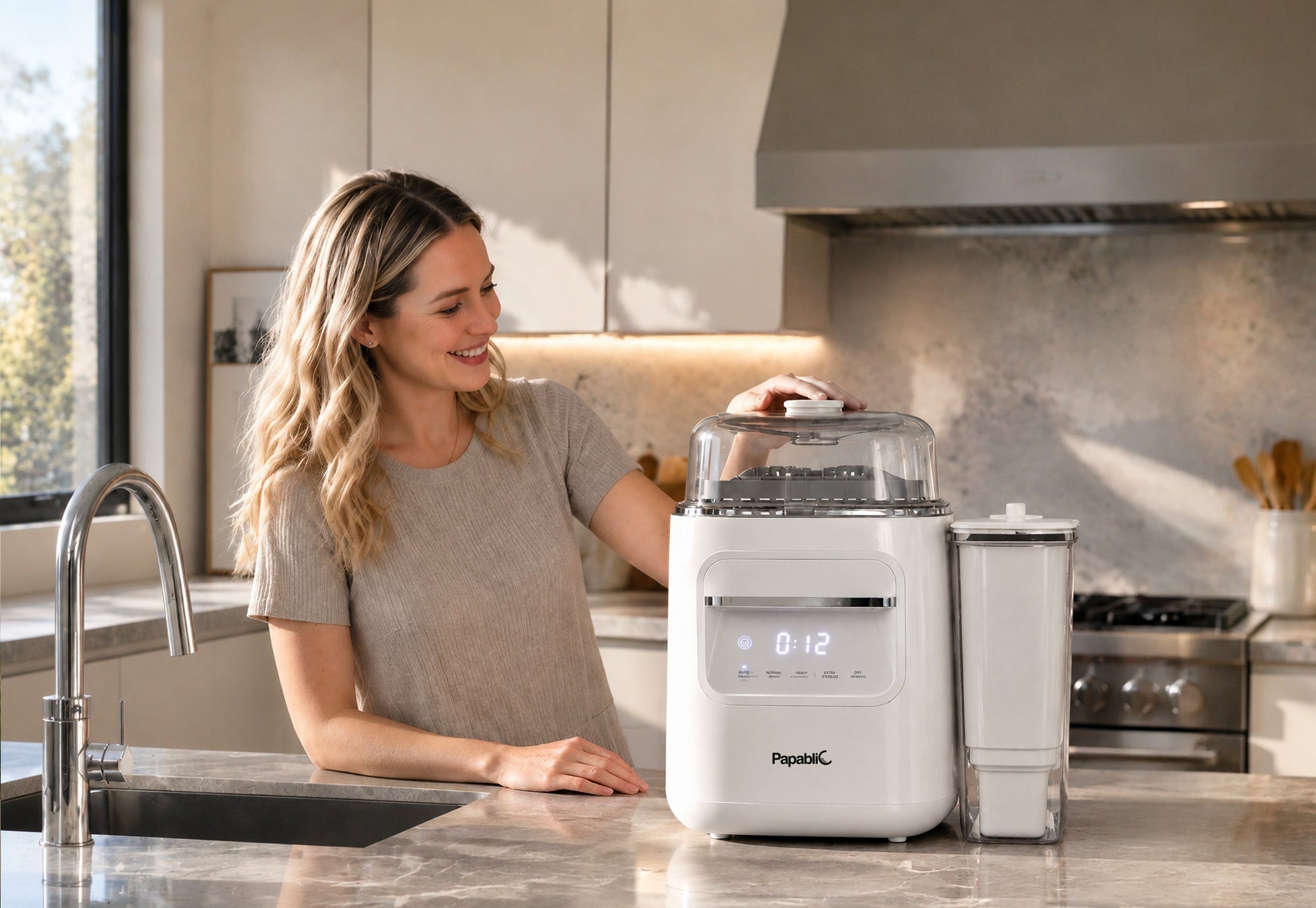
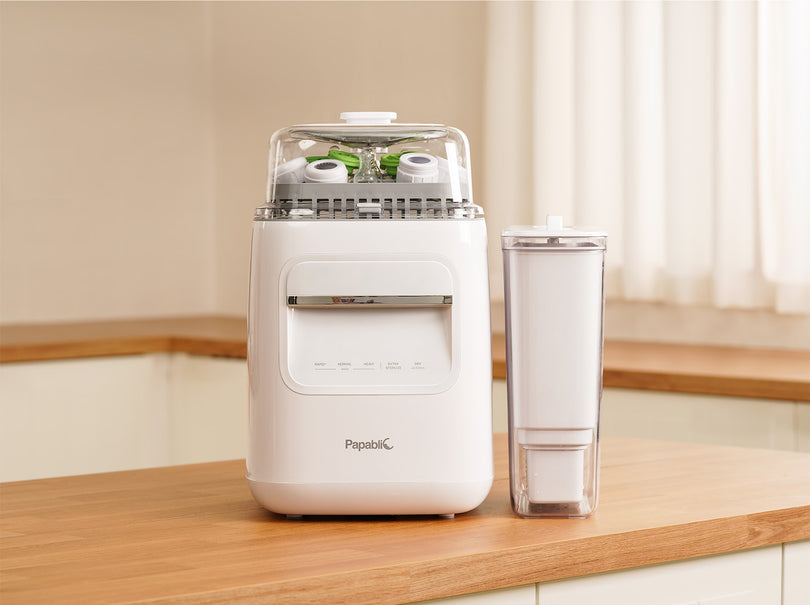
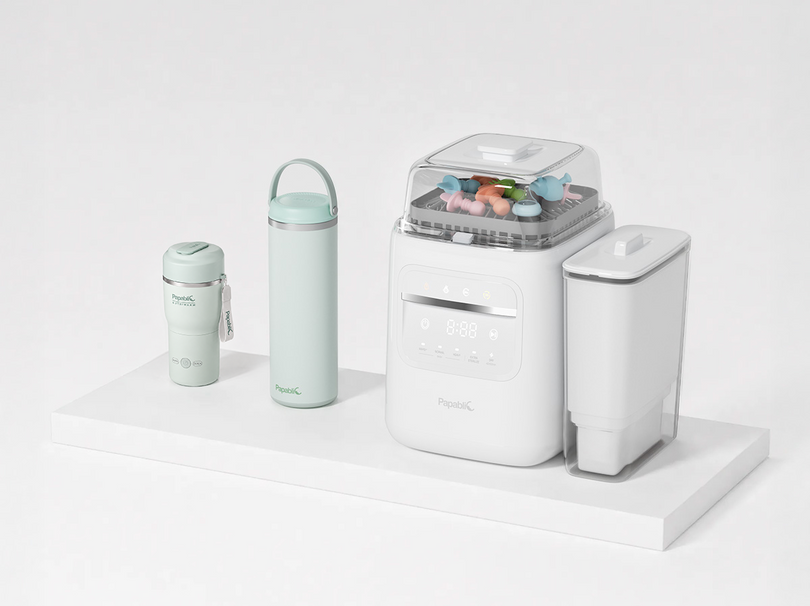
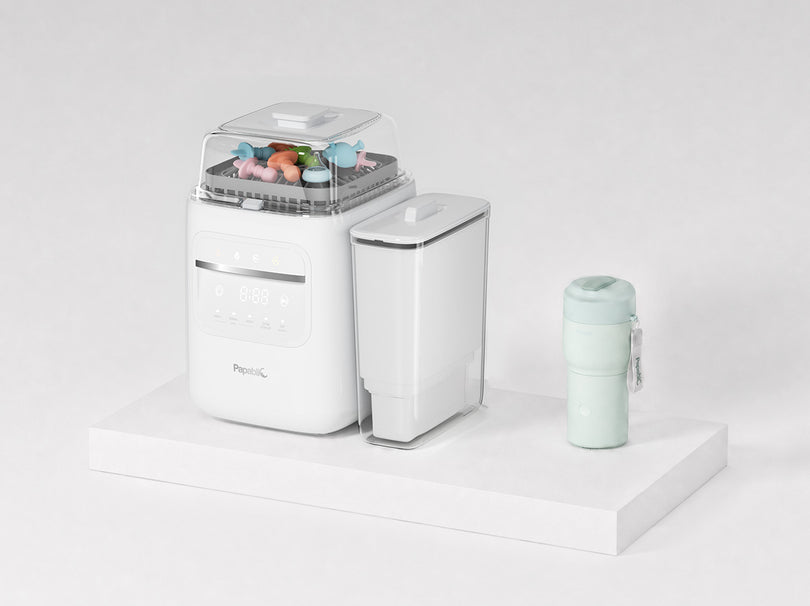
Papablic SafeguardPlus™ Baby Bottle Washer System is built around an upgraded, high-throughput approach: it is positioned for up to 8 bottles plus pump parts, which is the kind of capacity that reduces extra cycles when your day gets chaotic. That matters for Baby Feeding Essentials because fewer cycles typically mean less total energy use across the day.
Shop: Papablic SafeguardPlus™ Baby Bottle Washer System
Step 2: Confirm wash coverage and jets (no blind spots)
Before you compare any features, lock one thing in: your Baby Bottle Cleaner must physically reach into the shapes you own. Bottles have shoulders, collars have grooves, nipples have tiny vents, and pump parts have corners that trap film. If the spray pattern does not hit those surfaces, you end up doing a pre-scrub anyway, and your Automatic Bottle Cleaner stops feeling automatic.
Look for three practical signals of real coverage:
- 360-degree spray reach for bottle interiors and curves
- Dedicated positions for nipples and small parts
- A rack design that prevents nesting (parts stacking inside each other)
Papablic calls out its PenetraFlow™ Deep Clean Technology with a 360-degree deep clean focus designed to reduce residue and blind spots.

Shop: Papablic SafeguardPlus™ Baby Bottle Washer System
Step 3: Decide your sanitize method (especially for NICU parents)
Decide upfront whether you need a Bottle Washer with Sterilizer, a separate Steam Sterilizer, or dishwasher sanitizing as your primary Baby Bottle Sanitizer method. The right answer depends on your baby and your household workflow. If you are feeding a premature baby or you are in a higher-risk category (common for NICU parents), you generally want a routine that includes sanitizing and fully drying, not just warm washing.
One useful baseline is the CDC note that if you use a dishwasher with hot water and a heated dry (or sanitizing setting), a separate sanitizing step is not necessary for infant feeding items. That helps you decide whether you need a standalone sanitizer or if you can treat your main wash as the sanitize step in your Baby Feeding System. According to the CDC, a dishwasher with hot water plus heated dry or sanitize can eliminate the need for a separate sanitizing step.
For an All-in-One Bottle Washer approach, Papablic positions SafeguardPlus™ as a 5-in-1 Baby Bottle Cleaning System that emphasizes reducing germs (listed as 99.99% harmful germs reduction) and keeping the workflow contained in one unit.
Shop: Papablic SafeguardPlus™ Baby Bottle Washer System
Step 4: Prioritize drying and hygienic storage (dry is a safety feature)
Treat drying like a safety step, not a convenience add-on. If bottles come out warm but still damp, you have two problems: (1) you waste time towel-drying parts that are shaped to hold water, and (2) moisture can help odor and biofilm return between feeds. For new parents, this is where a Bottle Sterilizer and Dryer or Hygienic Bottle Dryer function is worth real attention.
When you compare drying systems, check:
- Drying power (does it dry nipples and valves, not just bottles?)
- Airflow path (vents that are easy to keep clean)
- Storage mode (does it protect clean parts for hours?)
Papablic SafeguardPlus™ highlights 72-hour hygienic storage and mentions twice the drying power in its FAQ section, which fits the needs of a Fast Drying Baby Bottle Sterilizer style workflow. If your goal is fewer late-night resets, a “wash, dry, store” loop is what turns a bottle washer into a real Newborn Care Solutions hub.
Shop: Papablic SafeguardPlus™ Baby Bottle Washer System
Step 5: Check water quality and filtration (hardness, lead, PFAS)
Do this before you buy, because water is not neutral. Hard water leaves mineral scale that reduces heating efficiency and can cloud clear bottles. Old plumbing can introduce lead. Some parents also want an extra layer of confidence around contaminants like PFAS. If your washer heats and sprays that water directly onto feeding items, filtration becomes part of the Baby Safety conversation.
A practical home check looks like this:
- Hardness / TDS: Use a basic TDS meter to estimate mineral load
- Lead awareness: review your local water quality resources by ZIP code
- Scale planning: decide whether you will descale monthly or quarterly
Papablic SafeguardPlus™ Baby Bottle Washer System is differentiated here because it lists built-in PurifyClean™ Water Purification and explicitly calls out reducing exposure to lead, PFAS, and hard minerals in its on-page messaging.

Shop: Papablic SafeguardPlus™ Baby Bottle Washer System
Step 6: Compare energy and water metrics (2026 reality check)
Energy efficiency in 2026 usually comes down to two moves: (1) reduce how many cycles you run per day by right-sizing capacity, and (2) avoid long heat-and-dry runs that do not actually dry small parts. This is where you should ignore marketing labels and look for measurable signals.
Use a simple comparison grid when you evaluate any All-in-One Bottle Washer:
- Water per cycle (if published)
- Time per cycle (fast cycles reduce heat time)
- Drying method (effective drying prevents repeat cycles)
For a reference point on water efficiency in adjacent appliances, the ENERGY STAR Most Efficient criteria for standard residential dishwashers include <= 3.2 gallons per cycle. That gives you a sanity check for “efficient” water use claims in a bottle washing context. See ENERGY STAR for the dishwasher criteria baseline.
If a Baby Feeding Bottle Washer does not publish water use, you can still estimate efficiency by tracking how many cycles you run in a week. A machine that lets you batch bottles plus pump parts (without hand-washing in between) often wins on total resource use.
Shop: Papablic SafeguardPlus™ Baby Bottle Washer System
Step 7: Map total cost of ownership (without surprises)
Do this step last, because it prevents a common mistake: buying a unit that looks good upfront but becomes annoying to maintain. Total cost of ownership is not only money. It is time, space, and mental load. If a filter needs frequent replacement or the machine needs constant descaling, your “All-in-One Feeding Solutions” plan turns into another chore.
Build a one-page ownership checklist:
- Consumables: filters, detergent tablets, descaling tablets
- Maintenance cadence: wipe seals weekly, descale as needed, clean vents
- Workflow fit: Can you run it one-handed at night?
Papablic SafeguardPlus™ notes filter replacement guidance on its product page: replace the filter every 30 wash cycles with an on-screen reminder. Pairing the washer with purpose-made detergent tablets can also simplify your routine because you are not experimenting with soaps that foam too much or leave residue.
Shop: Papablic Official Detergent Deepclean Tablet for Papablic Baby Bottle Washer
Adapting Your Baby Bottle Washer Setup in Different Scenarios
If you are a NICU parent doing daily sanitizing
Plan for a Bottle Washer with Sterilizer workflow that runs on a predictable schedule: morning reset, afternoon top-off, and a final sanitize-dry before bed. Keep at least one extra bottle set so you never rush a still-wet set into service. If you are targeting a Quick Bottle Sterilizer rhythm, prioritize drying power so small parts do not stay damp.
If you have hard water at home
Assume you will need a descaling plan from day one. Use filtered or low-mineral water where your system supports it, and track when cloudiness starts so you can set a maintenance cadence. A built-in purification approach can reduce scale load and keep heating components more efficient over time.
If you have a small kitchen or shared counter space
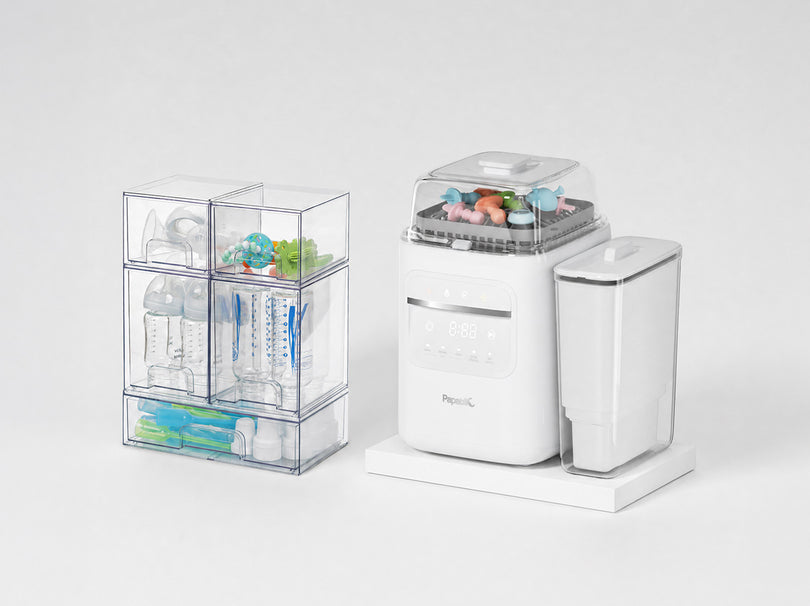
Choose a compact footprint and a workflow that does not require a second drying rack. Your goal is a single Smart Baby Bottle Station: dirty in, clean and dry out, then closed storage. If you are already managing Changing Pads, Baby Bassinets, and other Newborn Essentials in a limited space, counter discipline matters.
If you travel often and need feeding support away from home
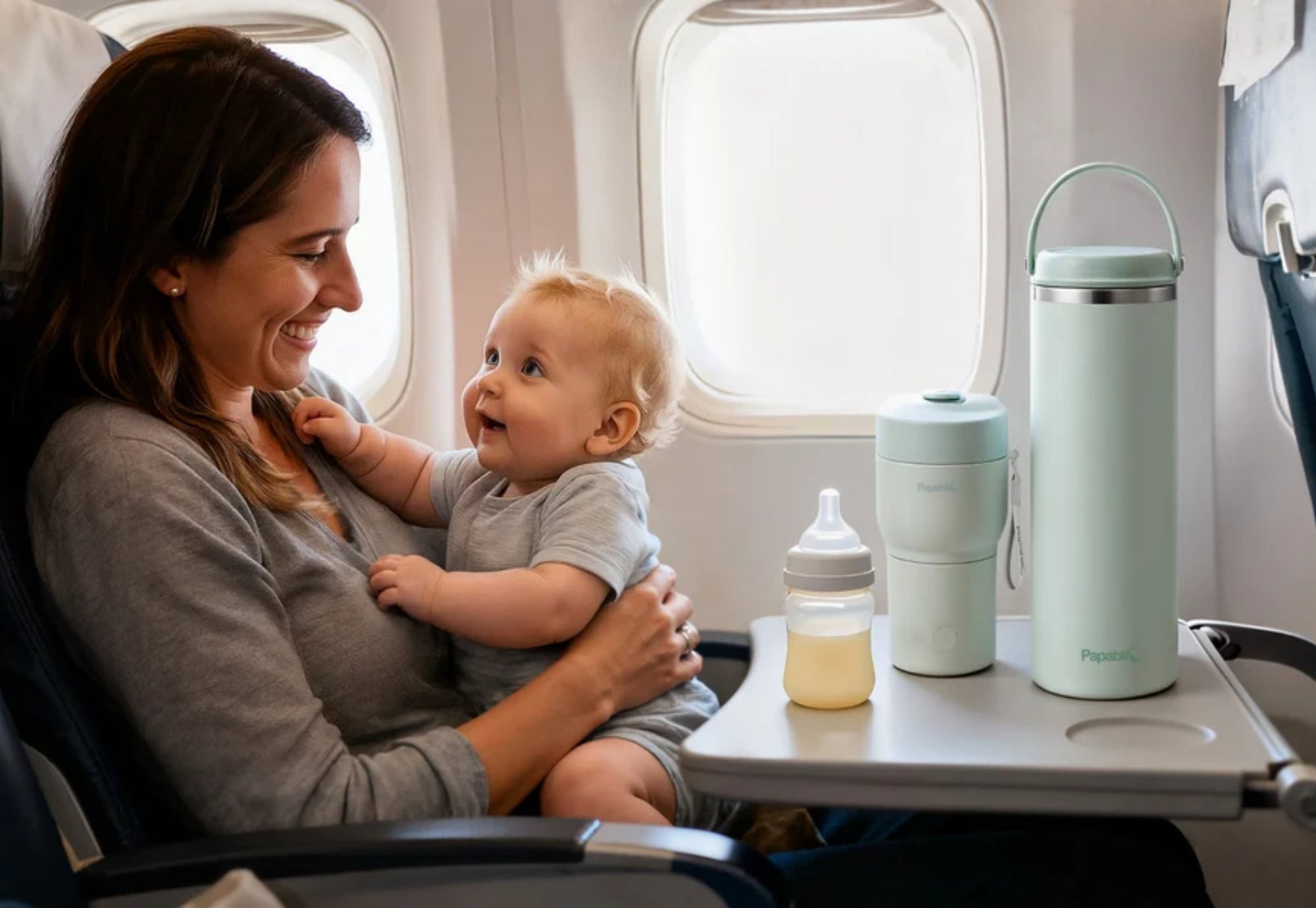
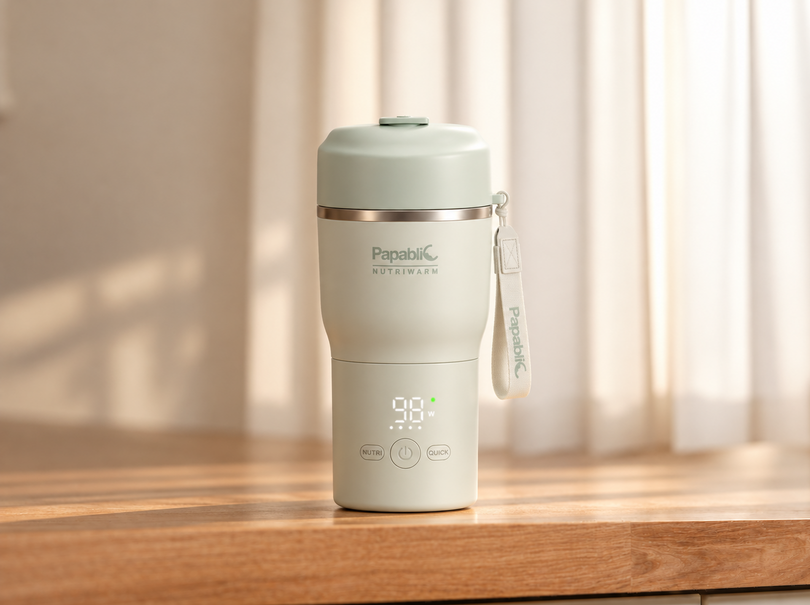
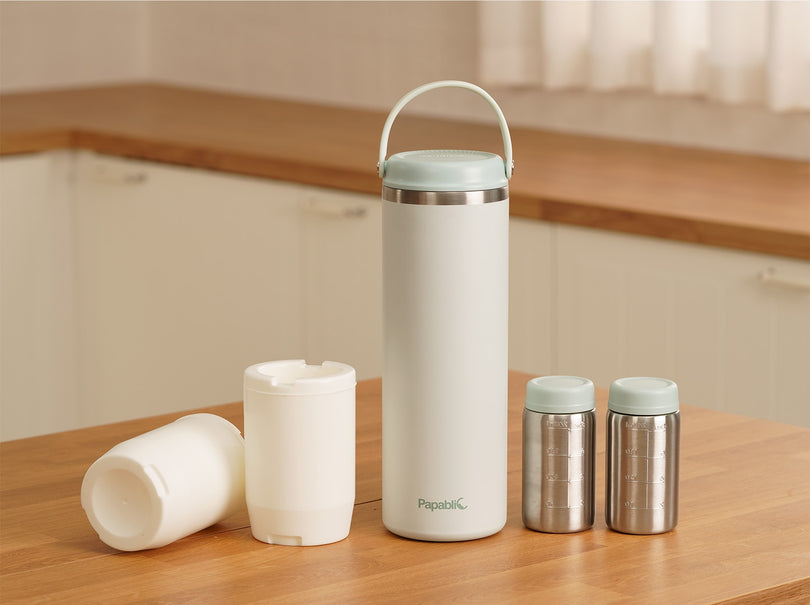
A home Bottle Cleaning System solves 90% of the routine, but travel breaks the routine. Add a Portable Bottle Warmer or On-the-Go Bottle Warmer so you are not improvising with mugs of hot water in hotel rooms. Papablic Portable Bottle Warmer and Sterilizer Pro is positioned as a portable warmer with built-in sterilization, which can be helpful when you want consistent warming without hunting for a clean microwave.

Shop: Papablic Portable Bottle Warmer and Sterilizer Pro
What You Will Need Before You Start
Required Tools and Materials
Set your station once so every wash cycle is repeatable:
- Baby Bottle Washer: your primary cleaning and drying tool
- Bottle brush: quick pre-rinse for heavy residue
- Small parts basket: keeps valves and nipples separated
- Food-safe detergent tablets: consistent dosing, low residue
- Descaling tablets: manage hard water buildup
- Clean spare drying rack: backup for overflow days
- Measuring cup: for consistent pre-rinse volumes
Safety Considerations
Lock these habits in early, especially for baby Care routines under sleep deprivation:
- Avoid steam burns: open lids slowly, keep hands back
- Prevent cross-contamination: separate the wash basin from the food prep
- Do not towel-dry inside bottles: towels can transfer lint and germs
- Let parts cool before assembling: heat can warp soft silicone
- Keep cords and hot surfaces out of reach: treat it like any small appliance in a Baby Safety plan

Troubleshooting Guide
| Problem | Cause | Solution |
|---|---|---|
| Cloudy bottles | Hard water scale | Descale cycle, filtered water |
| Wet nipples/valves | Overloaded rack | Reduce load, reposition parts |
| Odor after drying | Trapped moisture | Run sanitize, clean vents |
| White specks | Mineral particles | Rinse filter, wipe interior |
| Poor cleaning | Parts nested | Separate items, use holders |
If you keep seeing cloudiness, treat it like a water problem first, not a “washer problem.” Reduce mineral input, then descale, then re-check results. For persistent dampness, remove two or three items and re-run one cycle to confirm whether airflow improves. If odor returns quickly, open the unit after the cycle for a few minutes so residual heat can vent, then switch to storage mode only once everything feels fully dry.
Conclusion
Choose your Baby Bottle Washer the same way you would design any reliable system: size it to your real daily load, confirm full spray coverage, decide on a sanitize plan, and then demand drying that leaves nipples and valves truly dry. After that, check water quality and filtration, because clean bottles start with clean water.
If you want an All-in-One Feeding Solutions setup that reduces scrubbing and keeps your station predictable, build around one strong washer, then add travel tools like Bottle Warmers or a Breast Milk Cooler only when your routine proves you need them.
Official Site: Papablic
FAQ
Do I need to sanitize bottles every day?
Yes, daily sanitizing is a smart default if your baby is premature, immunocompromised, or you are following a NICU discharge routine. For many healthy full-term babies, consistent hot washing plus complete drying can be sufficient, but you should still sanitize more often during illness or when your household has more exposure risks. The practical trigger is residue and moisture: if parts are staying damp between feeds, increase sanitizing and improve drying. If you are unsure, pick a routine you can repeat every day without shortcuts.
Can a dishwasher replace a Baby Bottle Washer?
A dishwasher can replace a Baby Bottle Washer if it reliably delivers hot cleaning and a heated dry or sanitizing setting, and if you can keep small parts secured. The biggest limitation is workflow: dishwashers often feel slow for small, frequent loads, and you may not want pump parts mixed with dishes. If you use a dishwasher, place bottles on the top rack and use a closed basket for nipples and valves. If you find yourself hand-washing between dishwasher runs, a dedicated Baby Feeding Bottle Washer usually saves more time.
What makes a Baby Bottle Washer energy-efficient?
An energy-efficient Baby Bottle Washer is the one that prevents extra cycles and avoids rework. Right-sized capacity reduces how often you run the machine, and strong drying reduces the need for a second dry cycle or towel drying. Shorter cycles can also lower heating time, but only if cleaning results stay consistent. Track your weekly cycles for a simple reality check: fewer cycles with clean, fully dry parts is usually the real win.
How do I prevent white film or cloudy bottles?
White film or cloudiness is usually mineral scale from hard water, especially if your bottles air-dry with droplets left behind. Start by rinsing bottles with lower-mineral water if your setup allows it, then descale the washer on a set schedule (many homes land in the every 2 to 4 week range). Avoid overdosing on detergent because it can combine with minerals and leave residue. If cloudiness appears suddenly, test your water hardness or TDS again because seasonal changes can shift results.
Is fast drying important for bottle hygiene?
Yes, fast drying is important because moisture can keep odors and residue problems alive between feeds. A Hygienic Bottle Dryer approach also reduces how often you handle parts, which lowers the chance of accidental contamination during assembly. Aim for parts that feel dry to the touch, including inside nipples and under valve lips, not just the bottle body. If small parts stay damp, reduce the load and reposition them so airflow can reach both sides.
What should new parents prioritize first: washer, sterilizer, or warmer?
Most new parents should prioritize reliable cleaning and drying first, because that is the daily bottleneck that creates stress. Next, add a Steam Sterilizer or a Bottle Washer with Sterilizer capability if your baby needs frequent sanitizing or you want a simpler routine. Finally, add Bottle Warmers when you confirm you need predictable warming during night feeds or travel. If you pump, include the pump-part capacity in your first decision because it changes the whole station design.