




Table of contents
Shopping for baby feeding essentials usually starts with bottles, nipples, and pump parts. Then comes another question: How are you actually going to clean and sterilize all of them?
The CDC recommends cleaning baby bottles and their parts after every feeding. It also recommends sanitizing feeding items daily, especially when a baby is younger than 2 months, was born prematurely, or has a weakened immune system.
Some parents are comfortable hand-washing and air-drying, while others want a steam sterilizer and dryer, or a bottle washer that takes over more of the routine.
The right choice depends on how you feed your baby, how often you clean, and how much of the routine you want to handle yourself. This guide will help you find the right cleaning and sterilizing setup for your routine.
What Does a Baby Bottle Sterilizer Actually Do?
A baby bottle sterilizer uses heat, most commonly steam, to sanitize bottles and feeding accessories after they have been cleaned. The CDC recommends using methods such as boiling or steam when sanitizing is needed.
There's an important distinction: sterilizing does not replace washing. Milk residue, formula, oils, and other debris still need to be removed through washing.
The important takeaway is that washing and sterilizing solve different parts of the cleaning routine. And that leads to the bigger question: do you only want help with sterilizing, or do you want a machine to take over more of the cleaning process?
Which Baby Bottle Cleaning Method Is Right for You?
There isn't one bottle-cleaning setup that works equally well for every family. Start with what your daily routine actually looks like.
If You Mostly Want to Sterilize and Dry
If you're comfortable washing bottles, nipples, and pump parts yourself, a baby bottle sterilizer and dryer may be all you need.
This setup makes sense if your main frustrations are:
- Boiling bottles and feeding parts
- Waiting for everything to air-dry
- Managing a crowded drying rack
- Wondering whether bottles are completely dry before the next feed
- Wanting a dedicated place to sterilize and dry feeding equipment
A sterilizer and dryer lets you keep your existing washing routine while making the sanitizing and drying steps easier.

If You Don't Want to Hand-Wash Bottles and Pump Parts All Day
This is where a baby bottle washer and sterilizer becomes a different kind of solution. If you're feeding around the clock, exclusively pumping, going through bottles and pump parts multiple times a day, or a back-to-work mom balancing office work and pumping sessions, washing can become the repetitive part you want to get off your plate.
A bottle washer can combine: Wash → Sterilize → Dry → Store
Instead of washing everything at the sink and then moving it to a separate sterilizer or drying rack, the machine handles more of the process in one place.
For parents, the difference isn't just about convenience. It's about fewer trips to the sink and more time back for rest, themselves, or bonding with their baby.

What Real Parents Say
As a mom with a big, busy household, finding gear that actually lightens my daily load is everything. Hand washing and drying endless bottles, sippy cups, and pump parts used to take up way too much counter space and time. This Papablic baby bottle washer has been such a relief to have on the counter. It easily holds up to 8 bottles along with all the small accessories without feeling like a puzzle to load. The 12-minute fast wash option is incredible when you need a quick turnaround, and everything comes out sparkling clean, thoroughly sterilized, and completely dry so parts aren't taking over my kitchen on drying racks all day. It runs smoothly, looks super sleek, and frees up precious time to spend with my family instead of standing over the sink. If you have a busy house, this is worth every single penny!
What Should You Consider Before Choosing a Bottle Sterilizer or Washer?
Before choosing a bottle sterilizer or washer, consider these parts of your everyday feeding routine:
1. What Are You Cleaning?
Think beyond standard baby bottles. If you pump, your daily load may also include:
- Breast pump flanges
- Valves and membranes
- Bottle nipples and collars
- Bottle caps
- Milk collection accessories
- Other small feeding parts
If you're mainly using bottles and don't mind washing them yourself, a sterilizer and dryer may be enough. But if you find yourself constantly scrubbing pump parts and other small accessories, struggling with hard-to-reach areas, or simply getting tired of washing everything by hand, a bottle washer may make more sense.

2. How Much Do You Clean Every Day?
A parent using four bottles a day may have very different needs from an exclusively pumping parent who cleans bottles and pump parts after every pumping session.
Consider:
- How many bottles do you use per day?
- How often do you pump?
- How many pump parts need cleaning?
- Do you need clean equipment ready again quickly?
For higher-frequency feeding and pumping routines, capacity and cycle time become much more important.
3. Do You Need Washing or Just Sterilizing?
This is one of the biggest differences between the two types of machines.
- A sterilizer and dryer handles the sterilizing and drying stages. You still need to wash feeding equipment first.
- A bottle washer and sterilizer goes further by taking over the washing step as well.
Many expecting parents don’t realize how much time and energy the cleaning can take until they’re doing it every day. Hand washing may sound manageable before baby arrives, but postpartum life can make even small, repetitive chores feel exhausting.
If you want to skip the sink-side scrubbing from day one, it’s worth adding this to your registry or grabbing it ahead of time.
4. What Kind of Maintenance Are You Comfortable With?
Every appliance requires some maintenance.
Depending on the system, you may need to think about:
- Descaling
- Cleaning the water reservoir
- Emptying or draining water
- Cleaning small removable parts
The goal isn't to find a machine with zero maintenance. It's to understand whether the maintenance fits comfortably into your routine.
Papablic's Approach: 10 Years Focused on Baby Feeding Hygiene
For about 10 years, Papablic has focused specifically on baby feeding hygiene and products designed around cleaning, sterilizing, drying, and supporting everyday feeding routines.
That experience has led to different solutions for different routines—from a dedicated steam sterilizer and dryer to an all-in-one bottle washer.

Papablic Baby Sterilizer & Dryer: For Simple Steam Sterilizing and Drying
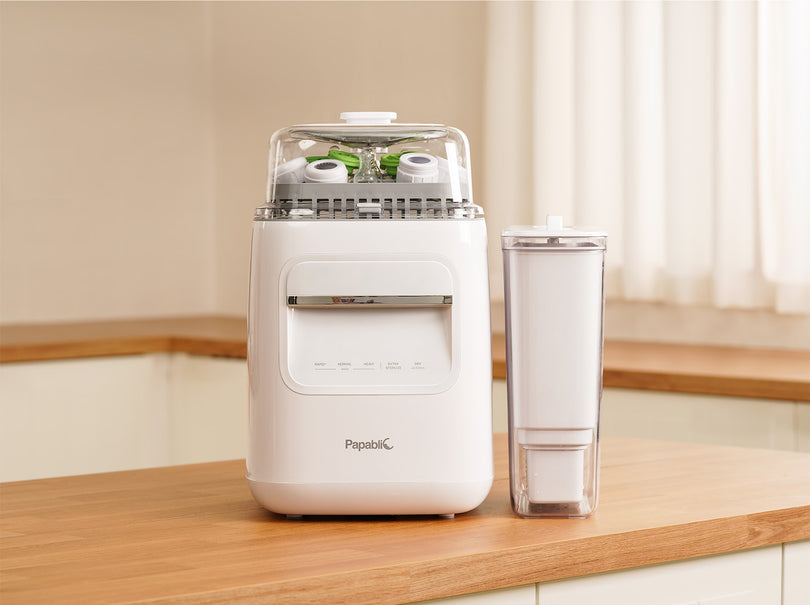
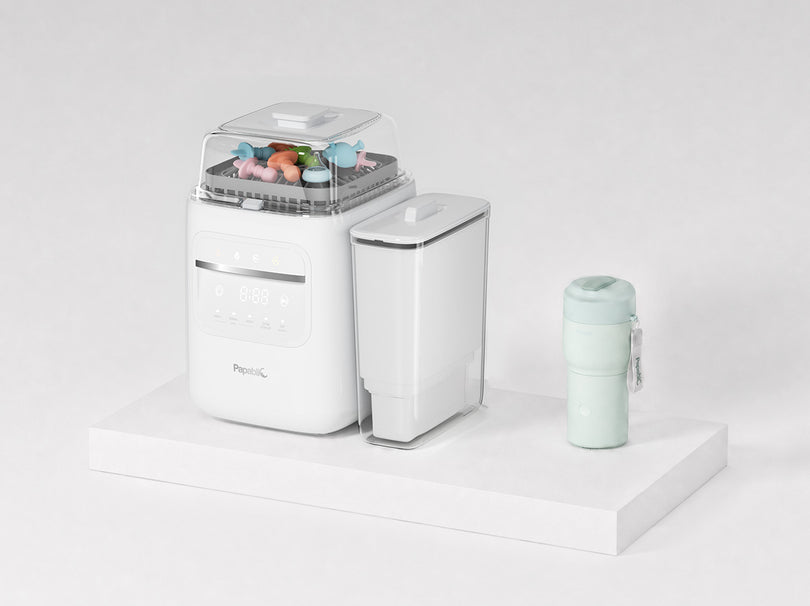
If you're comfortable washing bottles and pump parts yourself but want an easier way to sterilize and dry them, the Papablic Baby Bottle Sterilizer & Dryer is designed for that routine. It uses electric steam sterilization and combines sterilizing and drying in one appliance.
It combines steam sterilizing, hot-air drying, and deodorizing in a 30-minute cycle, with room for up to 11 bottles and accessories and a ceramic coating designed to make cleanup easier, which is the first of its kind on the market.

It has earned recognition from leading baby and consumer publications and has become a choice for thousands of families. Consumer Reports included it in its 2026 testing of baby bottle sterilizers, while Parents named it a “Best Modular Design” pick. It has also received a Gold Award from Mom's Choice Awards and has been featured in Wirecutter's guide to the best baby bottle sterilizers.

Best fit for parents who:
- Are comfortable washing bottles by hand
- Mainly want steam sanitizing and drying
Papablic SafeguardPlus™(P8Plus): For an All-in-One Cleaning Routine
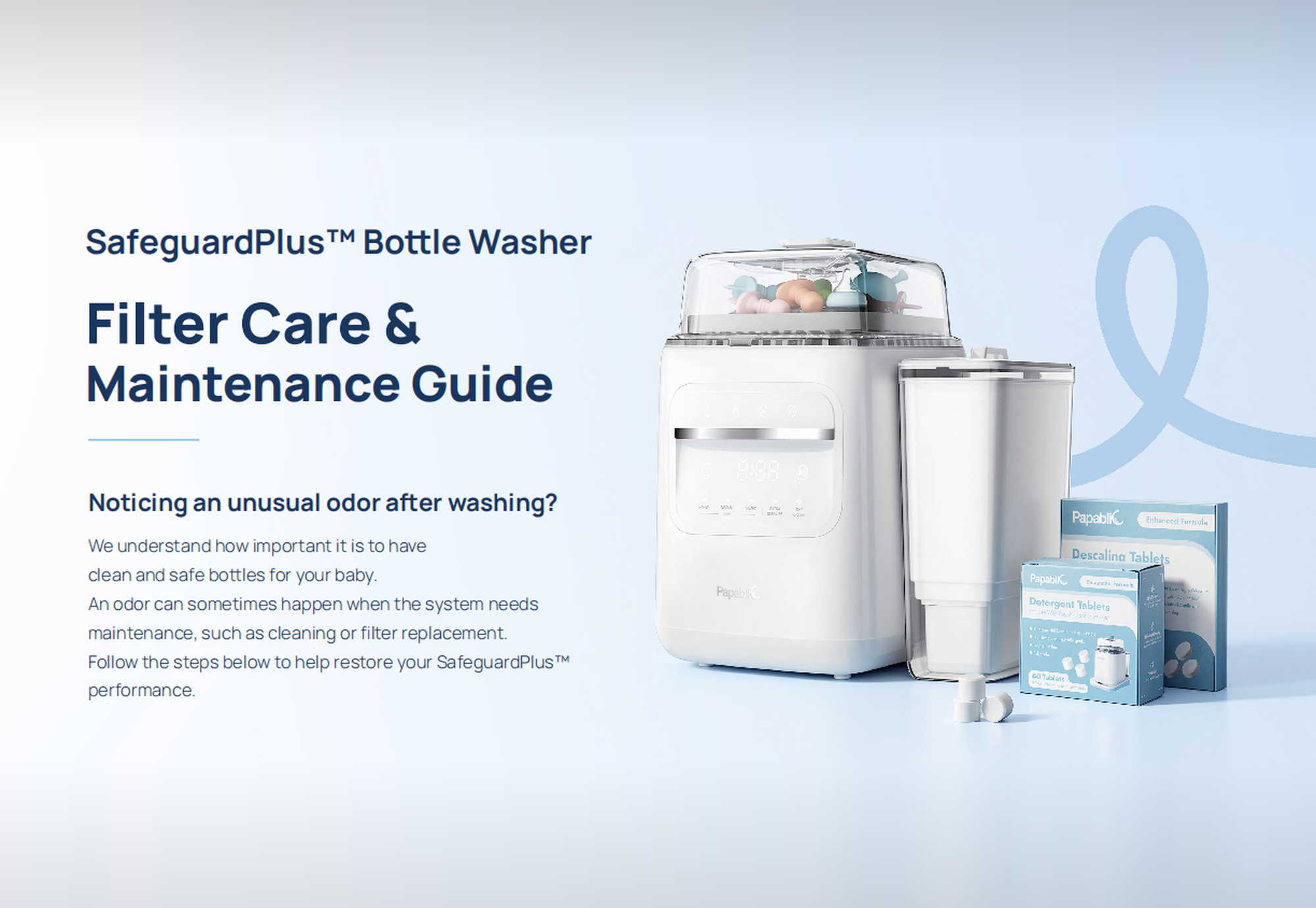
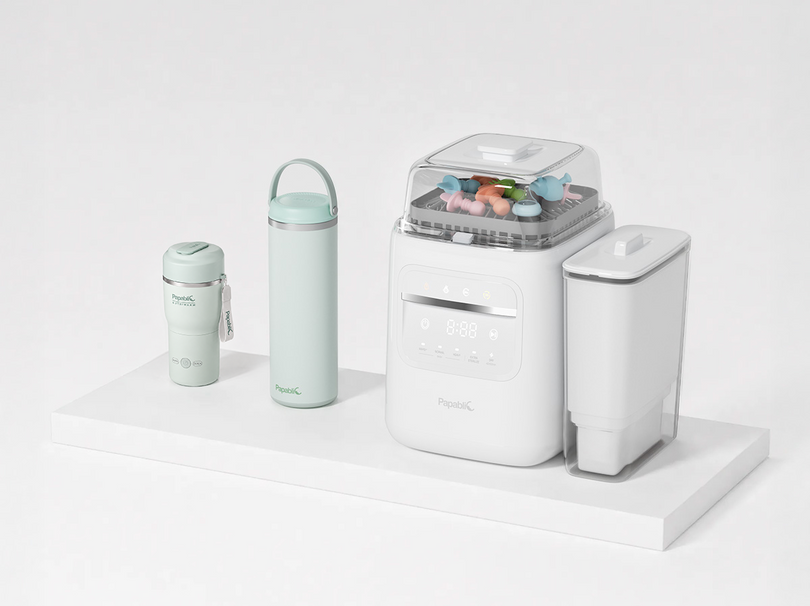
If the part you want to get rid of is washing everything in the first place, the Papablic SafeguardPlus™ (P8Plus) takes a different approach. It combines: Water filtration + Washing + Sterilizing + Drying + Storage.
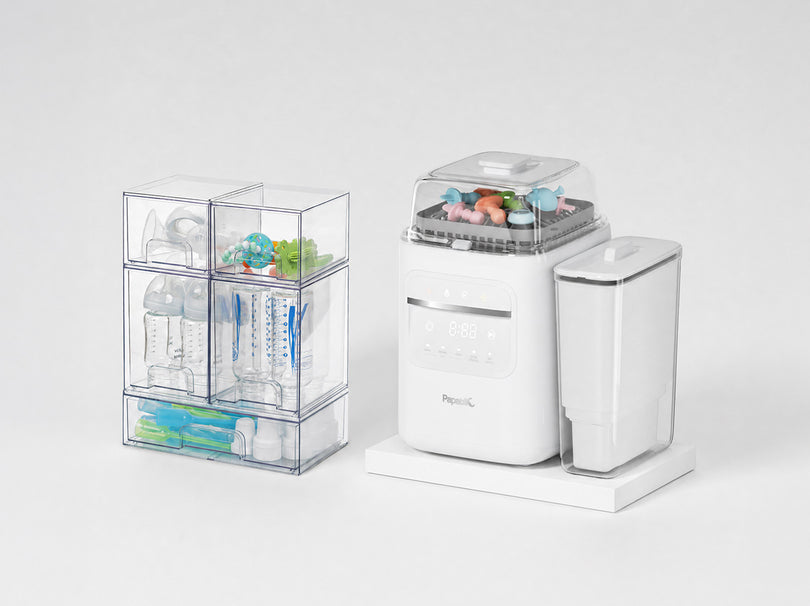
The system can hold up to 8 bottles or 2 breast pump sets with accessories, making it designed for higher-volume feeding and pumping routines. It also uses a 360° rotating spray system to target hard-to-reach areas on bottles and feeding accessories, followed by drying and storage.
The biggest difference is its built-in water filtration system—the only one of its kind on the market. SafeguardPlus helps filter impurities including Lead and PFAS while softening hard water. WQA certified and SGS tested for filter performance, it helps reduce water spots and mineral buildup, saving families the cost of buying distilled water and reducing the need to descale.

SafeguardPlus has also received recent third-party attention. Mommyhood101 named it among its top bottle washers and sterilizers of 2026 after hands-on testing. One With The Pump and Baby Chick also published hands-on reviews explaining why they recommend the SafeguardPlus to pumping parents and their clients.
Best fit for parents who:
- Bottle-feed or pump frequently
- Clean multiple bottles and pump parts every day
- Want washing, sanitizing, drying, and storage in one system
- Have lots of small feeding accessories to clean
- Live in a hard-water area or want built-in water filtration
Papablic P8 Bottle Washer: For the Same Core Cleaning, Without Built-In Filtration
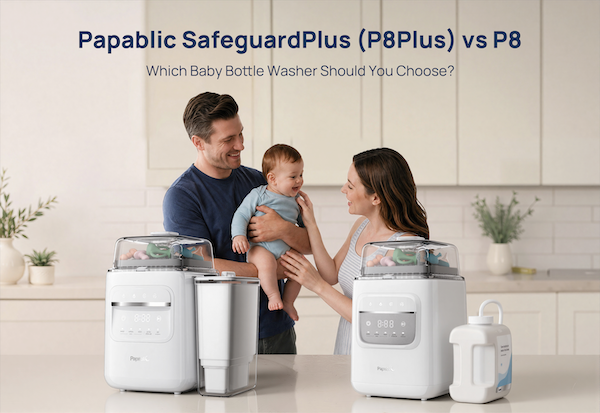
If you want the upgraded bottle-washing experience but don't need built-in water filtration, the Papablic P8 Bottle Washer offers another option. It shares the upgraded cleaning and drying capabilities of the new generation, including capacity for up to 8 bottles or 2 breast pump sets with accessories.
The main difference from SafeguardPlus is the water purification: P8 does not include the built-in filtration system.
That makes it a practical fit for families who want to move away from repetitive hand-washing and need a higher-capacity bottle washer, but whose household water is relatively soft or who don't consider built-in filtration a priority.

Best fit for parents who:
- Wash bottles and pump parts frequently
- Want the upgraded cleaning and drying system
- Need capacity for larger daily loads
- Don't need built-in water filtration
Papablic Sterilizer vs. Bottle Washer: Which Fits Your Routine?
If you're still deciding between the two, this is the simplest way to think about it:
| If this sounds like you… | Papablic option |
|---|---|
| I don't mind washing by hand but want easier steam sanitizing and drying. | Papablic Baby Sterilizer & Dryer |
| I want to spend less time hand-washing bottles and pump parts. | Papablic SafeguardPlus™ (P8Plus) / P8 Bottle Washer |
| I want washing, sanitizing, drying, and storage in one system. | Papablic SafeguardPlus™ (P8Plus) / P8 Bottle Washer |
| I live in a hard-water area or want built-in water filtration. | Papablic SafeguardPlus™ (P8Plus) |
Conclusions
Ultimately, the best baby bottle sterilizer or washer isn't necessarily the one with the longest feature list. It's the one that matches the way you feed your baby.
And that is why Papablic has continued to build different cleaning solutions around different feeding routines—from a dedicated steam sterilizer and dryer to an all-in-one bottle washer with water filtration.
After 10 years focused on baby feeding hygiene, the goal remains the same: Make Every Feed Safer & Simpler.

FAQs
Do I need to sterilize baby bottles after every use?
Not every family will need to sterilize feeding equipment after every use in the same way. Cleaning recommendations depend on your baby's age, health, and feeding situation. The CDC provides additional sanitizing guidance for babies younger than 2 months, babies born prematurely, and babies with weakened immune systems.
What is the difference between a bottle sterilizer and a bottle washer?
A bottle sterilizer is primarily designed to sanitize feeding equipment with heat, usually steam, often with a drying function. A bottle washer goes a step further by washing the bottles and parts before sterilizing and drying them.
Is a bottle sterilizer worth it if I already wash bottles by hand?
It can be, especially if you want to simplify steam sterilizing and drying after washing. If hand-washing itself is the part you find most time-consuming, however, a bottle washer may address more of the routine.
Related Blogs


Editor's Recommendation