




Introduction
Washing endless bottles and pump parts multiple times a day is exhausting when you need clean gear fast. A dedicated system is essential to safely remove milk residue and keep your baby healthy.
Don't worry. In this guide, we will break down how to choose a fast, reliable bottle washer that delivers clean, bone-dry parts exactly when you need them.

Official Site: Papablic
How to Choose a Fast Baby Bottle Sterilizer Step by Step
Step 1: Define your cleaning goal
Start by writing down what you are actually cleaning each day. You need to know your true load size.
- Bottles only, or bottles plus small parts (nipples, collars, anti-colic valves).
- Breast pump parts (flanges, duckbills, backflow protectors).
- Frequency (2 cycles/day vs. 5+ cycles/day).
Match your goal to the right appliance type. If you only need sanitize-and-dry, a Bottle Sterilizer and Dryer may be enough.
If you need to replace scrubbing, prioritize a Baby Bottle Cleaner with true wash jets. This is a real Bottle Cleaning System, not just a rinser.
For NICU parents, the bar is higher. The CDC notes that feeding items should be washed, sanitized, and dried thoroughly every few days, or at least daily for babies under 2 months, babies born prematurely, or babies with a weakened immune system. (cdc.gov)
Step 2: Check wash performance specs
Fast cleaning comes from coverage, not just time.
Look for three wash performance signals:
- Jet count and placement (more is not always better, but coverage matters)
- Water temperature (hotter wash water helps break down milk film)
- Pressure and circulation that can reach inside bottle shoulders and long narrow parts
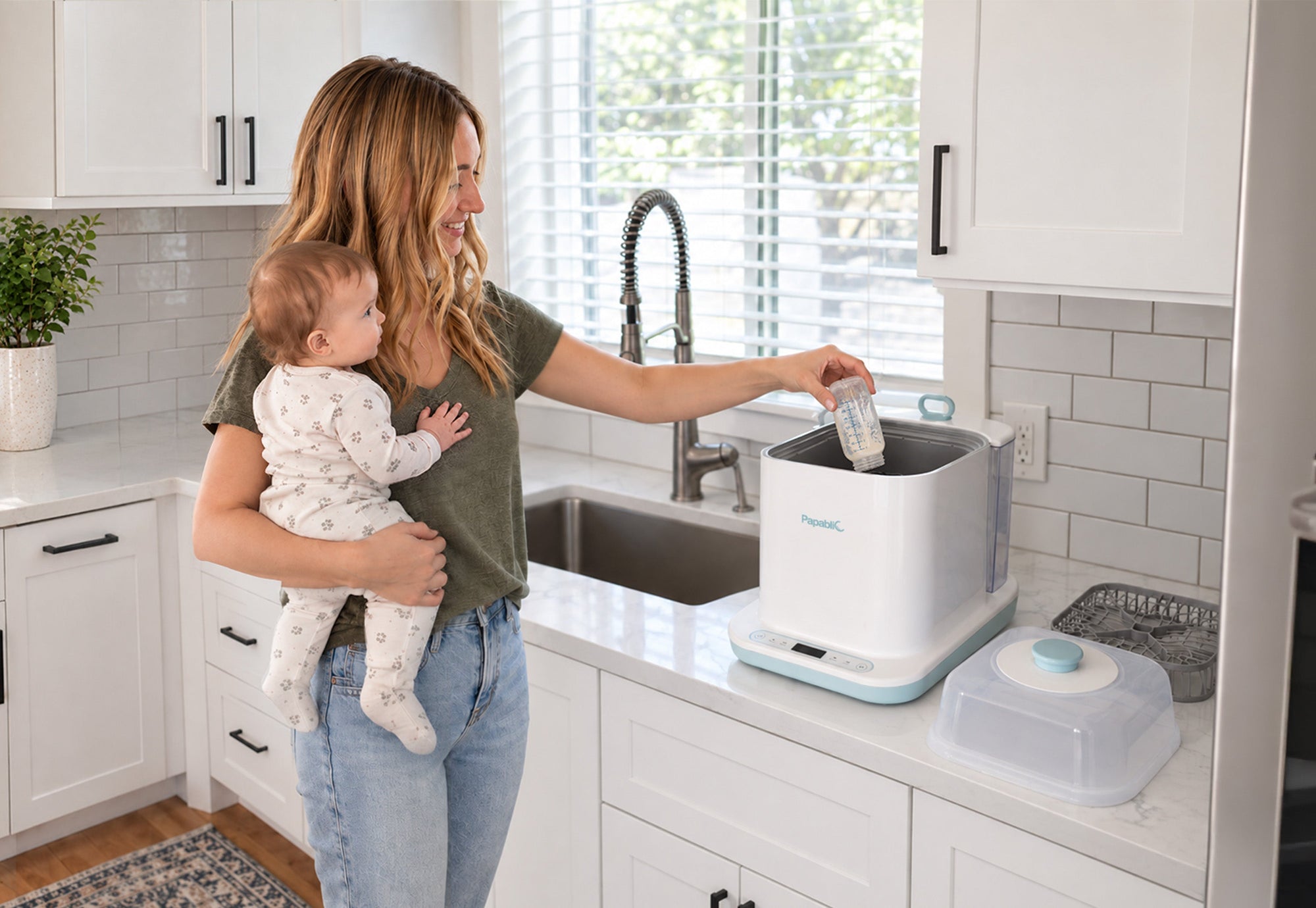
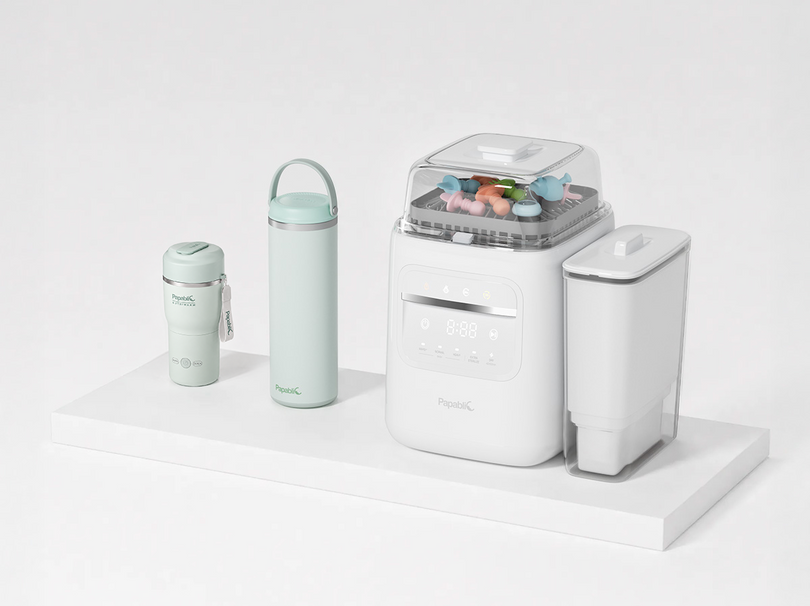
Papablics Baby Bottle Washer Sterilizer and Dryer is designed around high coverage: it uses 26 jets (12 directional + 14 swirling) and advertises a 165 F wash temperature for thorough cleaning. (papablic.com)
That matters because most bottle-washing failures happen in the same spots: under the bottle collar, inside the nipple base, and in valves where milk dries into a thin film.

If you are comparing options, do not get stuck on marketing terms like "power wash". Instead, confirm the unit can consistently clean:
- Narrow-neck bottles
- Wide-neck bottles
- Pump parts with small openings
Shop: Baby Bottle Washer Sterilizer and Dryer All in One Bottle Cleaner
Step 3: Confirm sterilization method and timing
A fast bottle washer is only half the story. The other half is how it sanitizes.
Practical checklist for a Quick Bottle Sterilizer feature:
- Uses steam (not just hot water rinse)
- Has a defined sterilize mode you can run after washing
- Lets you avoid handling parts while they are still wet
The CDC explicitly highlights that extra germ removal via sanitizing is important on a more frequent basis for certain infants, including those born prematurely. (cdc.gov)
Papablics all-in-one washer positions itself as a Bottle Washer with Sterilizer by combining power-washing with steam sterilizing. The product page variant with the bundled descaling tablets describes 99.99% sterilization in 19 minutes as part of its quick workflow. (papablic.com)

When you evaluate timing, keep it realistic:
- You need enough speed for the next feed window.
- You also need consistency so you do not skip cycles when you are exhausted.
Shop: Baby Bottle Washer Sterilizer and Dryer All in One Bottle Cleaner with 25 Descaling Tablets
Step 4: Validate drying and storage hygiene
Drying is where "fast" and "safe" overlap.
If parts come out wet, you usually create two new problems:
- You need a separate drying rack and time.
- Moisture stays trapped in valves and under nipple rims.
So, check for:
- A heated dry cycle or a Hygienic Bottle Dryer mode
- An enclosed design that can act as a "clean cabinet" after the cycle
- A clear storage claim and how long it maintains a protected interior
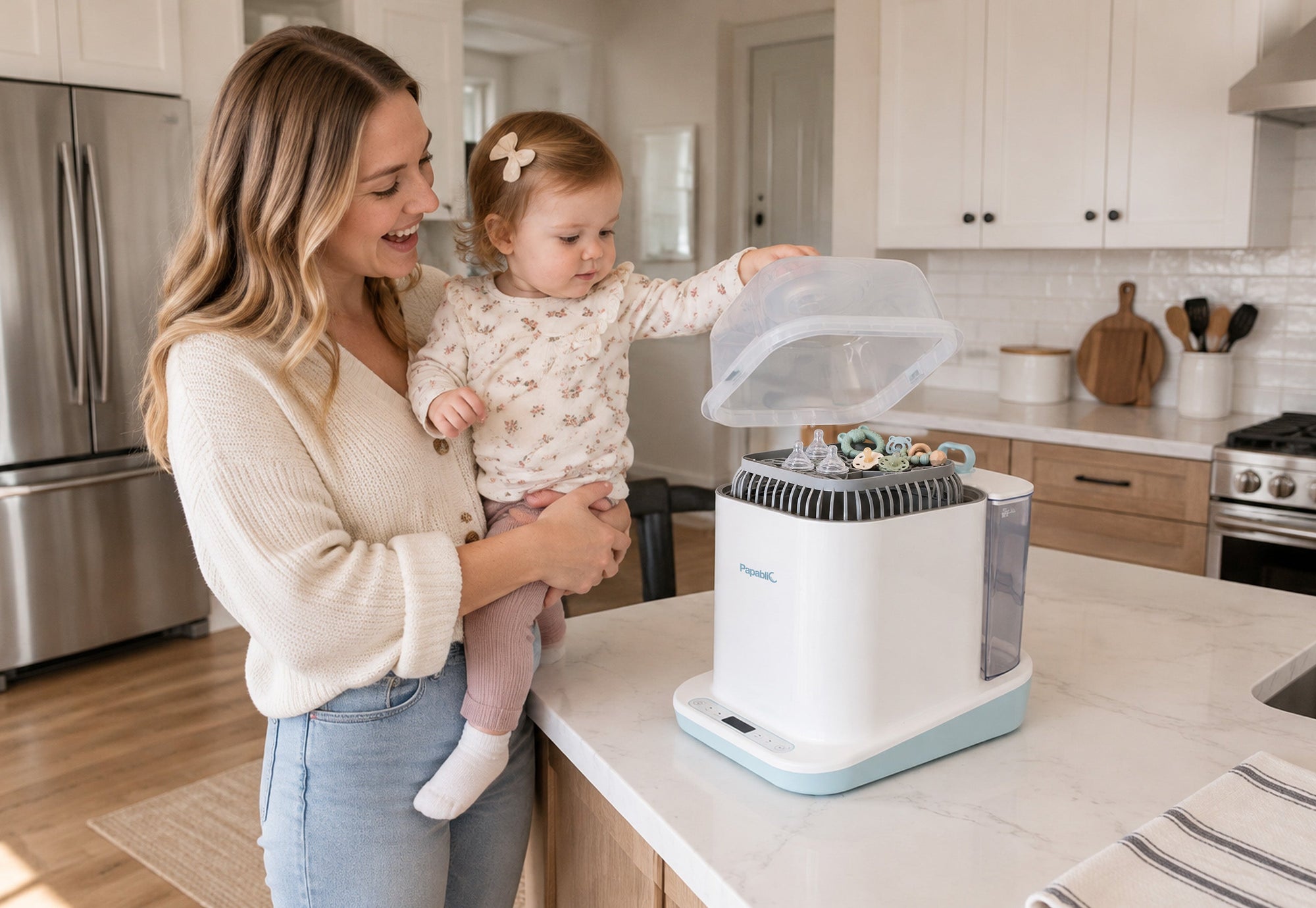
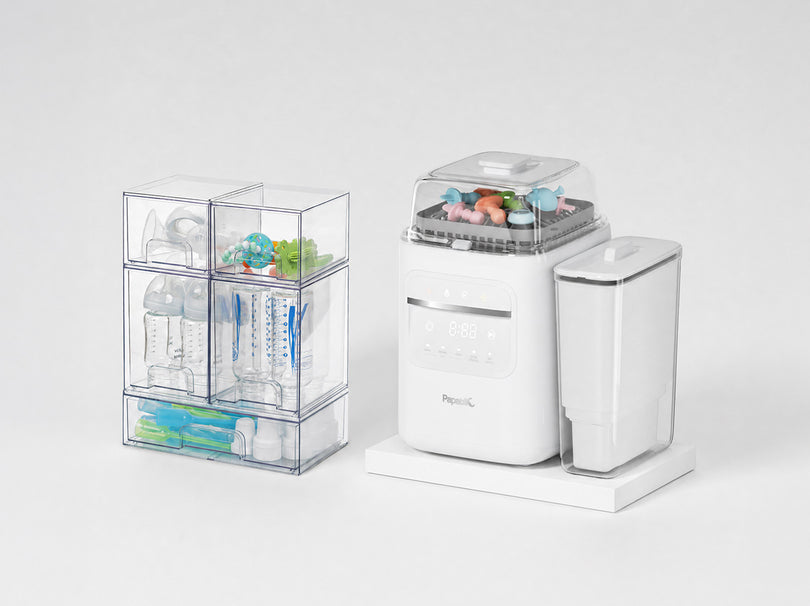
Papablic describes its system as an all-in-one that can wash, sterilize, dry, and store, plus it promotes a 72h Clean Keeper concept on its washer pillar page. (papablic.com)
One more time-saving tip: if your unit supports it, run the dry cycle right before bedtime. Then you can start the morning with ready-to-assemble parts.
Step 5: Verify capacity and rack flexibility
Capacity is the hidden driver of speed. If you need two loads, your "fast" washer becomes a slow one.
Evaluate capacity for your worst day, not your best day:
- Cluster-feeding days
- Exclusive pumping days
- Back-to-work days when you batch-clean at night
Papablics washer lineup shows two capacity positions:
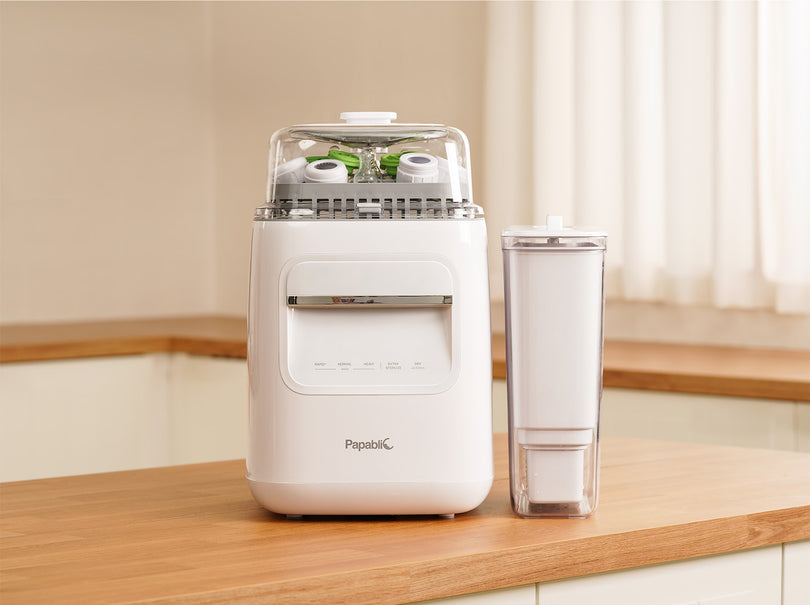
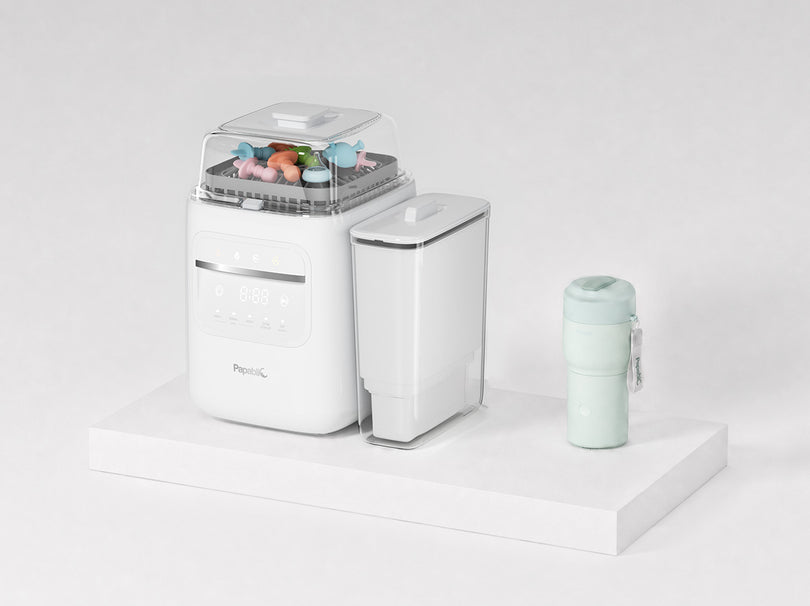
- The standard Baby Bottle Washer Sterilizer and Dryer page describes a compact unit that can hold 4+ bottles or 2 full pump kits. (papablic.com)
- Another variant listing emphasizes a double-stack design that can hold up to 6 bottles and 2 full pump kits per cycle. (papablic.com)
When you compare brands, focus on whether the racks support:
- Upright bottle placement with openings facing down
- A dedicated small-parts zone so valves do not flip into spray shadows
- Pump-kit parts without crushing silicone pieces
Step 6: Review water handling and setup
If you want a true countertop workflow, the best units avoid permanent plumbing.
Check:
- Tank-based fill and drain (so you can run it anywhere with counter space)
- Easy-to-read fill lines
- A drain method that does not splash (especially important in small kitchens)
If you live in a hard-water area, plan for maintenance from day one:
- Mineral scale reduces heater efficiency.
- Scale can leave cloudy spots or residue.
A Papablic Bottle Washer Pro manual listing indicates a 2.5 L water tank capacity (helpful when estimating how often you refill). (manuals.plus)
Practical setup tip:
- Place the unit on a stable counter away from edges.
- Keep the power cord routed so it cannot be pulled by toddlers.
Step 7: Decide where to buy
Buying location affects speed later, not just speed today.
For a bottle washer, "where to buy" should be decided by three support needs:
- Warranty clarity and support responsiveness
- Detergent tablet availability (and whether subscriptions exist)
- Replacement-part access (racks, seals, filters, lids)
Papablic promotes extended warranty positioning for its washer line (including a stated 3-year warranty on its washer pillar page), which can matter if you run multiple cycles daily. (papablic.com)
If you are comparing with a competitor such as Baby Brezza (you provided the Baby Brezza Bottle Washer Pro URL), keep the comparison fair and practical:
- Confirm cycle options: wash-only vs wash + sterilize + dry.
- Confirm capacity for your real daily load.
- Confirm how drying performs when the rack is full.

Adapting Your Baby Bottle Sterilizer Routine in Different Scenarios
Exclusive pumping
Prioritize pump-kit capacity first, then bottle count. Choose a Baby Feeding Bottle Washer that can keep small silicone valves separated so they do not nest together. If you do multiple sessions per day, run shorter, more frequent loads instead of one overloaded load.
Small kitchens
Go compact and plan a fixed landing zone. Use a drying mat beside the unit for hot items right after the cycle. A compact countertop Automatic Bottle Cleaner can be easier than occupying the full dishwasher.
Hard water areas
Build a weekly descaling habit. Cloudy spots are often mineral scale, not leftover milk. Keep distilled water available if your sterilizing function recommends it, and do not wait until performance drops.
Travel homes and grandparents houses
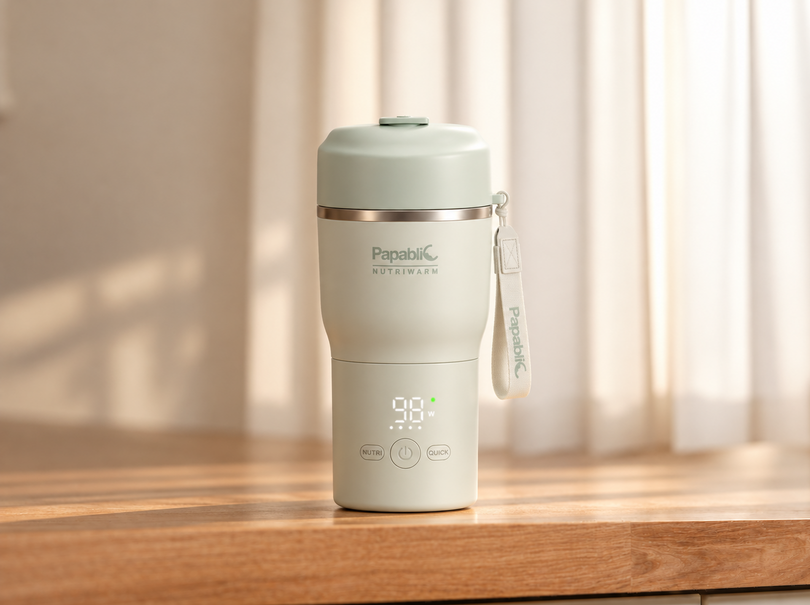
Tank-based operation matters most. If you cannot install anything, a countertop unit with fill-and-drain tanks is easier to set up. Pair it with a Portable Bottle Warmer so feeds stay consistent when your home routine changes.
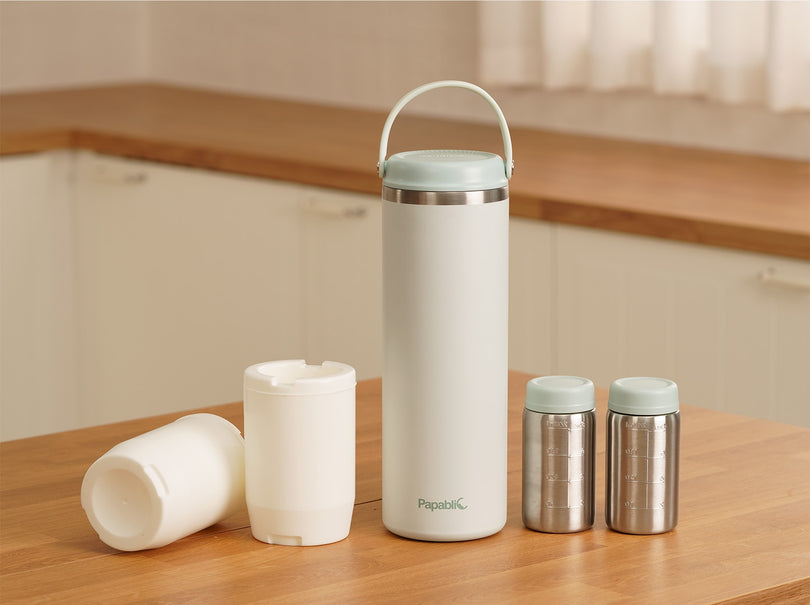
Shop: Papablic Portable Bottle Warmer & Sterilizer Pro
What You Will Need Before You Start
Required Tools and Materials
- Bottle parts fully disassembled, with nipples and valves separated
- Detergent tablets approved for your unit (avoid mixing random dishwasher products)
- Descaling tablets for mineral buildup prevention
- Clean tongs for handling hot parts after steam cycles
- A clean drying mat for short cooling periods
- A spare set of nipples or valves so you are not forced to reuse warm parts
- A dedicated brush for emergency pre-rinse of heavily soiled bottles
If you want a more complete feeding workflow, consider adding a Breast Milk Cooler for safe transport and storage planning alongside your washer routine.
Shop: Papablic CapsuleChill Breast Milk Cooler
Safety Considerations
- Avoid handling parts while they are still hot because steam cycles can cause burns.
- Keep the appliance away from counter edges and do not let cords hang.
- Do not overpack racks; blocked spray paths reduce cleaning and increase wet leftovers.
- Empty tanks as instructed and keep the interior dry between uses to limit odors.
Troubleshooting Guide
| Problem | Cause | Solution |
|---|---|---|
| Cloudy bottles after cycle | Hard-water scale deposits | Descaling cycle required; switch to distilled water for steam; wipe heating plate. |
| Wet parts after cycle | Overpacked rack; nested parts | Re-space parts opening-down; separate valves/nipples; rerun dry cycle. |
| Persistent odor | Trapped residue in crevices | Pre-rinse heavy soils; remove racks for deep clean; air out with door open. |
| White spots after drying | Mineral water spots | Shake off excess water pre-load; maintain descaling schedule. |
| Residue in bottle shoulder | Spray shadow blocking jets | Angle bottles for exposure; avoid placing tall items in center spray path. |
Conclusion
A fast cleaning workflow starts with choosing the right Baby Bottle Sterilizer approach for your household and your babys needs. Focus on wash coverage, steam sanitizing, and truly dry storage so you do not create extra steps.
For new parents and especially NICU parents, consistency matters more than perfection. A reliable routine with a Baby Bottle Washer and a Fast Drying Baby Bottle Sterilizer style dry cycle can reduce daily scrubbing and decision fatigue.
Official Site: Papablic
FAQ
Are there bottle washers that offer multiple functions like sterilizing and drying?
Yes, modern all-in-one units combine washing, steam sterilizing, and HEPA-filtered drying into a single touch-button workflow. Prioritize models with separate modes, allowing you to run a "wash-only" cycle for quick residue removal or a "sterilize-and-dry" cycle for already-clean items. Ensure the unit features an enclosed storage mode to keep parts sterile until the next feed.
What features should I look for in a bottle washer for my baby?
Prioritize high-pressure jet coverage that targets bottle interiors and a dedicated steam cycle for medical-grade hygiene. Fast drying is critical, as trapped moisture creates bacteria risks and adds manual drying steps to your routine. Always verify the rack capacity matches your daily bottle and pump part volume.
What’s the best bottle washer for sterilization and drying?
The best choice is an all-in-one machine featuring a dedicated steam cycle and a high-heat drying function that eliminates moisture from narrow valves. Look for a capacity that fits your specific needs (e.g., 6 bottles + pump kits) and racks designed to prevent small parts from nesting. Ease of descaling is also vital for long-term performance in hard water areas.
Is it better to wash baby bottles with a bottle washer or a dishwasher?
A countertop bottle washer is generally superior for speed and hygiene due to dedicated spray patterns designed specifically for narrow bottles and small parts. While dishwashers work, they often lack the specialized jets to clean deep inside nipples and require waiting for a full household load. Bottle washers allow for frequent, small-batch cleaning that keeps up with a newborn's feeding schedule.
Is a bottle washer worth it in the long run compared with handwashing or dishwasher?
Yes, the time reclaimed from daily manual scrubbing—approximately 60 minutes per day—makes the investment highly practical for most parents. Handwashing is prone to human error, especially when exhausted, whereas a machine offers consistent sanitation every cycle. Additionally, it eliminates the visual clutter of drying racks, making the kitchen feel more organized.
Where can I find a bottle washer for fast cleaning?
Purchase directly from the manufacturer to ensure the best warranty coverage and access to compatible detergent or descaling tablets. Major retailers like Amazon are also excellent options for fast shipping and easy return policies if the unit's footprint doesn't fit your counter. Always verify the listing explicitly mentions drying capabilities and pump part compatibility before buying.