

Introduction
You finally get the baby down, glance at the clock, and realize the next feed is coming fast. The sink is stacked with bottles, nipples, and pump parts, and the one thing you do not have is another 30 minutes to scrub, rinse, and wait for everything to air-dry.
If parts stay damp, you can end up rewashing, chasing odors, or second-guessing whether your Baby Bottle Washer routine is actually keeping up. This guide shows you how to evaluate a fast Baby Bottle Cleaner in six practical checks: load size, real cycle time, clear sanitizing method, drying performance, water and scale protection, and hygienic storage, so you can choose an All-in-One Bottle Washer with confidence and build a calmer Smart Baby Bottle Station.

Step-by-Step Guide to Choosing a Baby Bottle Washer
Step 1: Define your daily load size

Start by tallying every single item you wash within a standard 24-hour feeding cycle. Do not base this math on a perfectly calm, easy day.
Count the exact number of glass vessels, duckbill valves, collection cups, and tiny anti-colic straws. Always add one extra set as a buffer for unexpected spills or dropped nipples.
Use that final number to ruthlessly verify the manufacturer's capacity claims. A supposedly fast Baby Feeding Bottle Washer completely fails if you have to run it three times a day just to keep up.
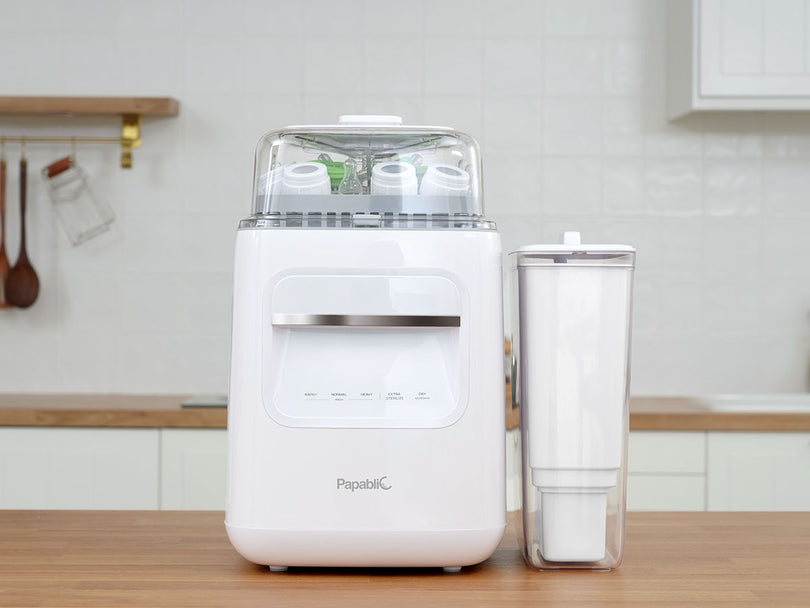
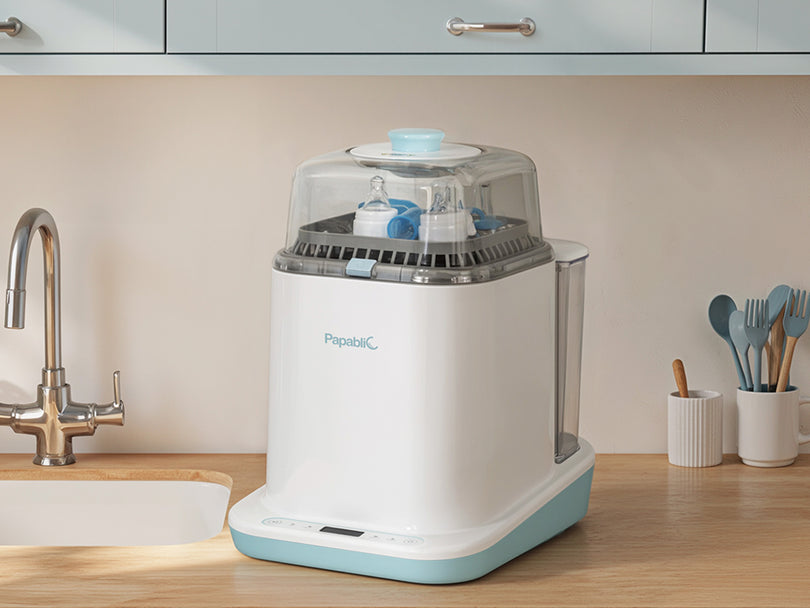
Where Papablic fits: The Papablic SafeguardPlus™ Baby Bottle Washer System handles up to eight bottles alongside bulky wearable pump components simultaneously. As a complete Bottle Cleaning System, this massive capacity prevents the dreaded mid-day countertop backlog.
Shop: Papablic SafeguardPlus™ Baby Bottle Washer System
Step 2: Ignore the Marketing Timers
Box labels boasting a "rapid wash" mode rarely tell the whole truth. When evaluating an Automatic Bottle Cleaner, you must identify the total time required for washing, sanitizing, and complete drying.
Imagine needing a clean flange instantly for an incoming pumping session. If your chosen machine requires 90 minutes to achieve a dry finish, that 15-minute quick-rinse feature is utterly useless.
Thick milk fat often forces cheap machines into error. If you must pre-rinse heavy residue in the sink first, you are losing valuable minutes every single day.
Where Papablic fits: The SafeguardPlus™ Baby Bottle Washer System operates as a genuine 5-in-1 system. It delivers a spotless, deeply sanitized, and fully dry result that creates a predictable Smart Baby Bottle Station.
Shop: Papablic SafeguardPlus™ Baby Bottle Washer System
Step 3: Demand Lethal Heat Verification
Vague claims about "sanitizing" are a massive red flag. You need explicit confirmation of exactly how the machine destroys lingering pathogens inside narrow plastic channels.
Ask these specific questions when shopping:
- Does it feature a dedicated steam phase?
- What exact materials are safe for the heat cycle?
- Is the wash chemistry completely separated from the high-temperature sanitization?
The CDC confirms that verified high-heat settings are crucial for safe infant feeding items. A true Bottle Washer with Sterilizer will openly advertise its peak steam temperatures.
Where Papablic fits: The SafeguardPlus actively reduces 99.99% of harmful germs through a dedicated, high-heat workflow. This specific clarity eliminates the anxiety of unseen bacteria.
Shop: Papablic SafeguardPlus™ Baby Bottle Washer System
Step 4: Insist on Aggressive Airflow
Fast cycle times mean absolutely nothing if the gear emerges damp. A reliable Fast Drying Baby Bottle Sterilizer relies on aggressive forced air, not just passive internal warmth.
Moisture trapped inside silicone membranes acts as a magnet for mold.
A high-quality Hygienic Bottle Dryer must include:
- Active, forced-air fan motors.
- Adjustable timers for complex silicone shapes.
- Targeted air jets piercing deep into bottle cavities.
Where Papablic fits: Boasting twice the drying power of standard units, the SafeguardPlus ensures every ridge is bone-dry. It functions perfectly as a standalone Bottle Sterilizer and Dryer.
Shop: Papablic SafeguardPlus™ Baby Bottle Washer System
Step 5: Shield the Heating Elements
Hard water silently destroys appliance speed. Calcium buildup coats internal spray nozzles and leaves a chalky, white film across your expensive pump parts.
To maintain rapid cycles, you must control the mineral scale aggressively.
Verify these protective features:
- Integrated water filtration systems.
- Automated alerts for filter replacements.
- Clear descaling maintenance schedules.
Where Papablic fits: The SafeguardPlus™ Baby Bottle Washer System integrates advanced PurifyClean technology to strip out lead, PFAS, and heavy minerals. Digital screen prompts eliminate the guesswork of filter changes.
Shop: Papablic SafeguardPlus™ Baby Bottle Washer System
Step 6: Lock Down Sterile Storage
A truly fast workflow keeps your gear pristine long after the cycle ends. Unloading wet parts onto a dusty drying rack immediately compromises your hygiene efforts.
Your Smart Baby Bottle Station requires two distinct safeguards:
- A sealed storage mode lasting hours or days.
- Digital countdowns for system maintenance.
Automated storage is vital for exclusive pumpers. It dramatically reduces how often your hands touch the clean plastic before a session.
Where Papablic fits: Offering 72 hours of filtered, hygienic storage, the SafeguardPlus™ baby bottle washer system keeps your gear ready on demand. You can run a load during naptime and retrieve a sterile bottle hours later.
Shop: Papablic SafeguardPlus™ Baby Bottle Washer System
Adapting Your Baby Bottle Washer Checklist by Scenario
For NICU parents
Prioritize a Bottle Washer with Sterilizer plus fully active drying. Choose programs that end "cabinet-dry" so you do not need towels, and lean on hygienic storage to keep parts ready between unpredictable care blocks. A consistent Baby Bottle Disinfection routine also reduces the mental load of second-guessing.
For hard water homes
Put water protection at the top of your list. Built-in filtration or softening support can prevent white film and protect spray jets. Plan a simple descaling cadence (for example, every few weeks, depending on use) so the machine stays fast instead of slowly losing performance.
For small kitchens and light sleepers
Focus on footprint, easy filling, and a cycle you can run during naps. If you are tight on counter space, an All-in-One Bottle Washer that includes drying and storage helps you avoid extra racks. Quiet, predictable cycles matter as much as raw speed when the nursery is close to the kitchen.
For exclusive pumping and hands-free pumping parts
Confirm the internal layout can handle wearable pump sets without crushing or blocking spray. You want a Baby Bottle Washer that cleans small valves and membranes reliably, because those pieces directly affect suction and comfort in your breastfeeding equipment routine.
Before You Start Required Tools and Safety
Required Tools and Materials
- Bottles, nipples, and collars: your daily set plus one backup
- Pump parts: flanges, valves, membranes, collection cups
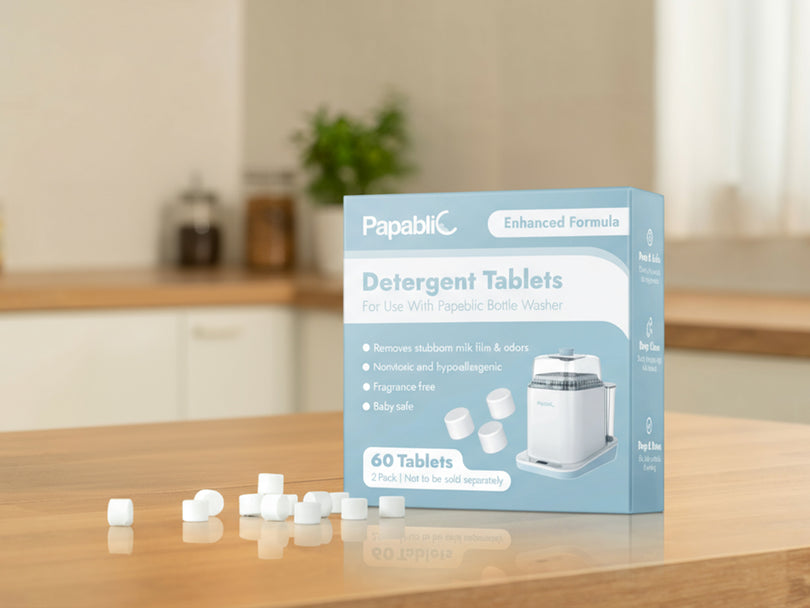
- Detergent tablets or pods: use a formula designed for baby feeding gear
- Soft brush: quick pre-rinse on stubborn residue
- Measuring cup: consistent water fills
- A clear counter zone: keep clean and dirty separated
- Optional drying bin: for overflow days
Safety considerations
- Treat hot steam like a burn risk: open lids slowly and keep hands back
- Keep the unit away from edge-of-counter areas to prevent pulls
- Do not overload: overcrowding can cause poor spray coverage and rewash
- Let parts cool before assembling, especially silicone nipples
- Keep cords out of reach and avoid running across sink splash zones
For a broader safety baseline, OSHA references eye and face protection standards for workplaces where splash and chemical exposure can occur, which is a helpful reminder to avoid leaning directly over steam vents or detergent splashes even in home routines.
Troubleshooting Guide for Faster, Cleaner Results
| Problem | Cause | Solution |
|---|---|---|
| Musty smell | Parts not fully dried | Extend dry stage |
| White film | Hard-water scale | Filter, descale regularly |
| Missed nipple spots | Overcrowded load | Space parts, rerun wash |
| Cloudy bottles | Mineral buildup | Use purified water |
| Leaking or puddles | Tank not seated | Reseat tank, recheck seal |
To fix missed spots fast, change placement before you change products. Rotate nipples so openings face spray, and keep collars from nesting inside each other. For scale, do not wait until parts look chalky; a simple maintenance rhythm keeps your Automatic Bottle Cleaner performing like day one.
Conclusion
True speed relies on a flawless, uninterrupted loop of high-pressure washing, intense heat, and aggressive drying. A cycle marketed as "fast" is worthless if you have to towel-dry the parts afterward.
By ruthlessly checking capacity, heat levels, and drying motors, you eliminate hidden time drains. Secure a high-performing Baby Bottle Washer, lock in a reliable loading routine, and permanently step away from the kitchen sink.
FAQ
Are there bottle washers that offer multiple functions like sterilizing and drying?
Yes, premium models combine washing, high-heat sanitizing, and forced-air drying into a single workflow. Look for verified Steam Sterilizer components and active fans that dry tight crevices perfectly. Avoid machines that only offer a hot water rinse. The best workflows utilize sealed storage to keep parts pristine.
How do I find a bottle washer that is easy to use when I am exhausted?
Prioritize large digital displays, single-touch start buttons, and automated maintenance alerts. Digital reminders for filter changes eliminate the need for mental tracking. Avoid complex icon menus that invite user error during midnight operations. Ensure internal baskets lock tightly to secure small valves.
Is there a bottle washer that saves time and energy for new parents?
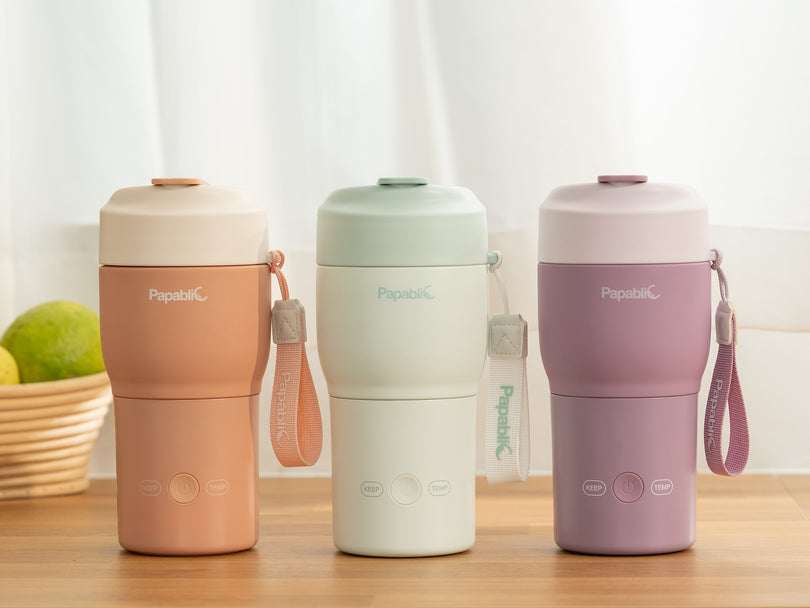
Yes, machines with massive internal capacities save time by running fewer daily cycles. True time savings come from eliminating manual drying and re-washing entirely. Select a unit that perfectly dries intricate parts. Timing a heavy cycle alongside a Portable Bottle Warmer feed smooths out night routines.
What features should I look for in a bottle washer for NICU parents?
Select units with verified steam capabilities and aggressive "cabinet-dry" forced air. Massive capacity prevents splitting critical loads into two cycles. Long-term hygienic storage drastically reduces hand-to-plastic contact. Automated descaling alerts protect the machine's sanitizing horsepower.
Does a bottle washer save more time than using a dishwasher for baby bottles?
Yes, countertop systems operate drastically faster than bulky household dishwashers. Dedicated racks prevent lightweight nipples from flipping or melting on heating coils. A Baby Feeding Bottle Washer processes a heavy load of pump parts in under 90 minutes without tying up your family's dinner plates.

