


Introduction
You load your bottles, hit start, and still end up staring at cloudy nipples, slick bottle rings, and that stubborn milk smell trapped in threads. When you pick the wrong cleaning setup, you do the same work twice: extra rinses, more brush time, and more second-guessing at are. That cost is not just time. It is your momentum, your sleep, and your confidence in your baby Care routine.
This list breaks down why a purpose-built Baby Bottle Washer and Baby Bottle Cleaner can go deeper than a typical dishwasher, especially on tiny Feeding Essentials like valves, anti-colic inserts, and wearable pump parts. Then we match those reasons to two Papablic options that are built as All-in-One Feeding Solutions for new parents and NICU parents, where consistency matters as much as cleanliness.
The 5 Reasons Why Bottle Washers Go Deeper
1) They are built for bottle geometry
A dishwasher is designed around plates, bowls, and flat surfaces. Baby feeding gear is the opposite: narrow channels, tight threads, tiny vents, and flexible silicone that can fold or flip during a cycle. A Baby Feeding Bottle Washer is purpose-built for that geometry, so water and detergent contact happen where milk film actually hides.
If you are dealing with repeated re-washes, the most common cause is missed contact in high-friction zones:
- Bottle threads and collars where milk dries into film
- Nipple bases where residue collects at the seam
- Anti-colic vents that trap foam and proteins
- Pump membranes and valves that nest together
- Straw cups or toddler spouts with long channels
For new parents, this is the practical advantage: you do not have to engineer a rack layout every time. A Bottle Cleaning System is meant to accept bottle shapes as-is, so your workflow stays consistent.
2) Dedicated jets hit the hard-to-reach spots
Dishwashers can clean well, but the results depend heavily on rack placement, spray arm reach, and whether parts stay upright. Small baby items can tip over, spin, or end up in shadow zones behind larger pieces. That is why you can run a cycle and still see cloudy patches.
A Bottle Washer with Sterilizer (or a standalone Automatic Bottle Cleaner) typically uses targeted spray geometry that is designed around bottles and parts rather than around a mixed household load. In practice, this matters most for:
- 360-degree interior coverage (bottle walls and bottoms)
- Threaded collars where jets need to hit from below
- Narrow nipples and small inserts that need direct flow
Even if you use a dishwasher sanitize cycle, it cannot sanitize what it did not wash. Better coverage during the wash step is what reduces the chances of residue shielding the surface.
3) Less cross-contamination from household dishes
A dishwasher is a shared environment. Even if you scrape and pre-rinse, you are still mixing baby items with household soils like cooking oils, tomato sauces, and raw-food residue. That increases the chance of odor transfer and greasy redeposit, especially on plastics.
A baby-only All-in-One Bottle Washer keeps the load focused. That means fewer variables and fewer "mystery" outcomes, like:
- Bottles are coming out with a faint savory smell
- Nipples feel slick from detergent-oil interactions
- Spots from hard water that look like leftover film
This separation matters most when your baby's feeding routine is high frequency. NICU parents and pumping households often wash parts multiple times a day, so keeping baby gear out of a mixed kitchen cycle can reduce the cleanup spiral.
4) Controlled wash workflow reduces user error
If your dishwasher results vary from day to day, it is usually not because the machine is "bad." It is because dishwashers are flexible tools, and flexible tools invite inconsistency. One day, you load only bottles. The next day, you add plates. Then a bottle flips, a valve nests, or a straw slips under a rack.
A Baby Bottle Washer creates a repeatable routine:
- Same loading pattern each cycle
- Same placement for small parts
- Same cycle expectations for wash and dry
For new parents, this is a mental-load win. For NICU parents, it is a reliability win. When your routine is repeatable, you spend less time troubleshooting and more time feeding, pumping, or resting.
5) Hygiene features extend beyond washing
The hidden problem is not only washing. It is what happens after the cycle ends. Wet parts left on a drying rack can re-collect dust, splash back, or pick up residue from towels. That is why many parents look for an All-in-One Bottle Washer that adds drying and storage, not just washing.
Some systems combine washing with features like:
- A Baby Bottle Sterilizer or Steam Sterilizer step (device-specific)
- A Baby Bottle Sanitizer claim (varies by cycle and testing)
- Fast Drying Baby Bottle Sterilizer or Hygienic Bottle Dryer function
- Closed storage to reduce re-contamination between feeds
For context on dishwasher sanitize claims, NSF notes that a residential dishwasher certified to NSF/ANSI 184 is tested to achieve a minimum 99.999 percent (5-log) reduction of bacteria when operated on the sanitizing cycle, and it must reach a final rinse temperature of 150 F. According to NSF.
Papablic Picks That Fit This Exact Problem
No competitors here. These are Papablic-only picks designed for the same real-life frustration: you want a Baby Bottle Washer that cleans consistently, supports Feeding Essentials, and reduces re-washing.
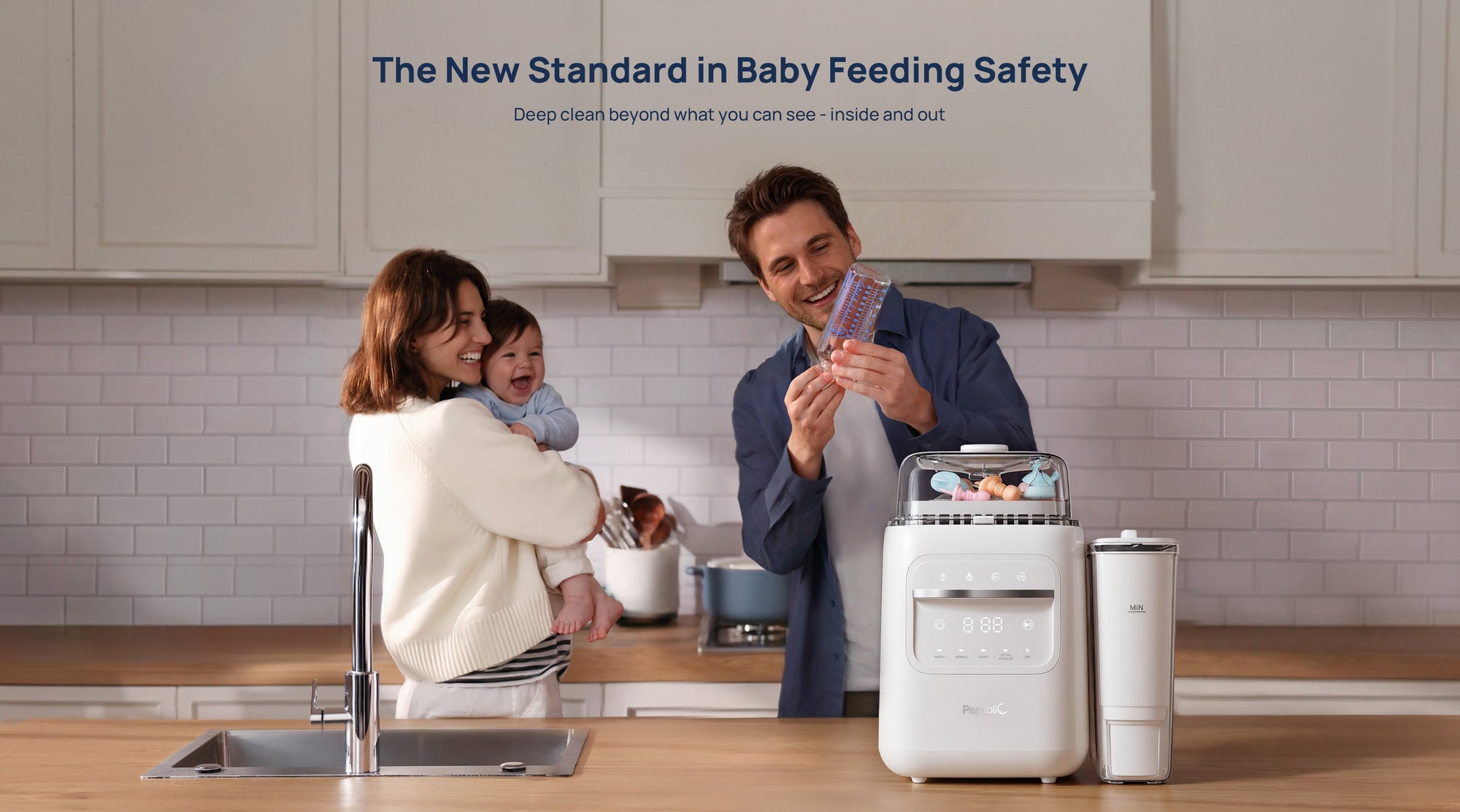
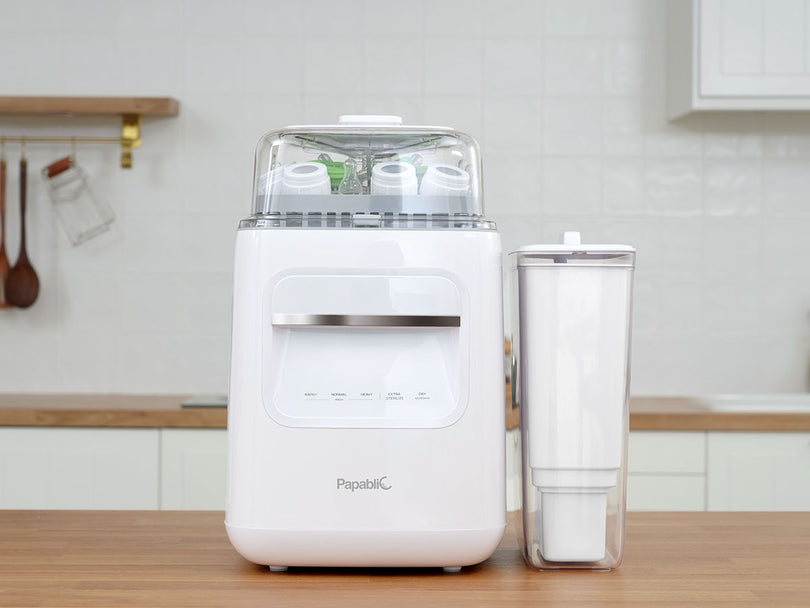
1) Papablic SafeguardPlus™ Baby Bottle Washer System

If your main pain is volume and variety (bottles plus pump parts plus small inserts), this All-in-One Bottle Washer is built around a repeatable, baby-focused workflow. The product page highlights a 5-in-1 Baby Bottle Cleaning System designed to wash, reduce germs, dry, and keep items ready, which can be a strong fit for NICU parents who need consistency across multiple cycles per day.
- Best for: high daily bottle volume, pump parts, and mixed Feeding Essentials
- Type: Baby Bottle Washer / Automatic Bottle Cleaner with multi-step workflow
- Hygiene workflow: 5-in-1 Bottle Cleaning System (wash-forward routine)
- Capacity focus: "8 bottles & wearable pumps" capacity callout
- Water angle: built-in PurifyClean™ Water Purification (positioned as safer at the source)
- Storage angle: 72-hour hygienic storage callout for between-feed readiness
- Practical fit: reduces rack-engineering and "shadow zone" misses
Why it wins: When you are re-washing because threads and valves keep getting missed, the biggest improvement comes from repeatable placement and purpose-built spray coverage. The SafeguardPlus™ baby bottle washer system is built around that daily reality, and the added water purification positioning is a meaningful consideration if you are fighting mineral spotting or worry about what is in your tap water.
Shop: Papablic SafeguardPlus™ Baby Bottle Washer System
Buying Guide: When a Dishwasher Still Falls Short
You are not choosing between "dishwasher bad" and "bottle washer good." You are choosing between convenience and control. If your current setup leaves you re-washing, the real problem is usually coverage, consistency, or what happens after the wash.
Key factors to choose
- What are you washing most: bottles only, or pump parts too?
- Do you need a Bottle Washer with Sterilizer style workflow?
- Do you need dry storage between feeds (closed, dust-reducing)?
- Is hard water leaving spots that look like film?
- How many sets per day, realistically (including nipples and valves)?
Practical tips before you commit
Milk film is a daily enemy, not a weekly one. If you wait until the residue dries, it becomes harder to remove and easier to miss in threads and vents. That is why an Automatic Bottle Cleaner routine often feels easier: you can run a predictable cycle at the same time every day.
Try these reality-based habits:
- Rinse parts quickly after feeds to prevent protein film
- Avoid overloading so jets can reach every surface
- Keep small parts separated so they do not nest together
- Let items fully dry before storing to avoid a musty odor
Common mistakes that cause re-washing
- Overloading so the spray cannot circulate inside the bottles
- Mixing greasy cookware with baby plastics
- Letting nipples flip or collapse during the cycle
- Packing pump parts too tightly (membranes shield each other)
For a hard reference point on sanitize claims in dishwashers, NSF also states that sanitation cycles of certified residential dishwashers must achieve a minimum 99.999 percent reduction of bacteria and reach a final rinse temperature of 150 F. According to NSF.
Comparison Table Dishwasher vs Bottle Washer Quick Scan
| What you care about | Typical dishwasher use | Bottle washer approach | Who benefits most |
|---|---|---|---|
| Small-part coverage | Rack placement dependent | Purpose-built spray geometry | NICU parents |
| Cross-contamination | Mixed household soils | Baby-only dedicated loads | New parents |
| Consistency | Varies by load | Repeatable single-purpose routine | Busy caregivers |
| End-to-end hygiene | Wash-focused | Wash plus dry and storage | High-frequency feeders |
Conclusion
If you are re-washing nipples, rings, or pump valves, your problem is usually not effort. It is that dishwashers are not built for bottle geometry, and the workflow changes every time you load them. A dedicated Baby Bottle Washer makes the process repeatable, keeps baby items separate, and can extend hygiene beyond washing with dry and storage steps.
If you want an All-in-One Feeding Solutions approach, start by matching your reality (daily volume, pump parts, and water quality) to a setup designed for Feeding Essentials, not plates.
Official Site: Papablic
FAQ
How do I know if my bottles are actually clean after a cycle?
You can treat visible film, sour odor, and slick texture as practical warning signs that the wash step missed contact points. Check threads, nipple bases, and any anti-colic inserts under bright light because residue hides in seams and vents. If a part looks clean but still smells after it is fully dry, it often means milk proteins remained in a channel. When the same spots keep failing, switch to a loading routine that prevents nesting and ensures direct jet contact.
Can I safely wash breast pump parts in the same load as bottles?
Yes, but only if you load pump parts so membranes and valves cannot nest and block the spray. Small silicone pieces can shield each other, so the bottle may look fine while the valve is not consistently washed. If you are pumping multiple times per day, prioritize capacity and a layout that keeps wearable pump parts separated and upright. For NICU parents, repeatability matters more than saving a few minutes on a mixed load.
Why do nipples and bottle collars keep coming out cloudy from my dishwasher?
Cloudiness usually comes from hard-water minerals, detergent residue, and missed wash contact in threads and seams. Dishwashers are optimized for plates and bowls, so small parts can end up in low-spray zones or flip during the cycle. A sanitize step does not fix a wash miss because residue can shield the surface from heat and water. If you see repeated cloudiness, reduce load density and keep baby items away from greasy cookware and oils.
What is the difference between sterilizing, sanitizing, and just washing?
Washing removes milk, formula residue, and oils so the surface is physically clean. Sanitizing generally means reducing germs to a safer level, but the exact claim depends on the device, cycle, and testing standard used. Sterilizing is typically a stronger term and is often associated with steam processes like a Steam Sterilizer, although performance still depends on proper pre-cleaning. The key point is simple: consistent washing is the foundation because higher-level steps cannot reliably work through leftover film.
How many bottle sets should I plan to clean per day as a new parent?
Most new parents rotate multiple sets per day because you are not only washing bottles, but also nipples, collars, caps, and mixing tools. If you pump, add membranes, valves, flanges, and collection cups, the number of pieces can double quickly. Plan for peak days, not average days, so you do not end up running extra cycles when you are already exhausted. A good rule is to choose a capacity that covers your busiest 24 hours without emergency hand-washing.
How do Bottle Warmers and a Breast Milk Cooler fit into a cleaner feeding routine?
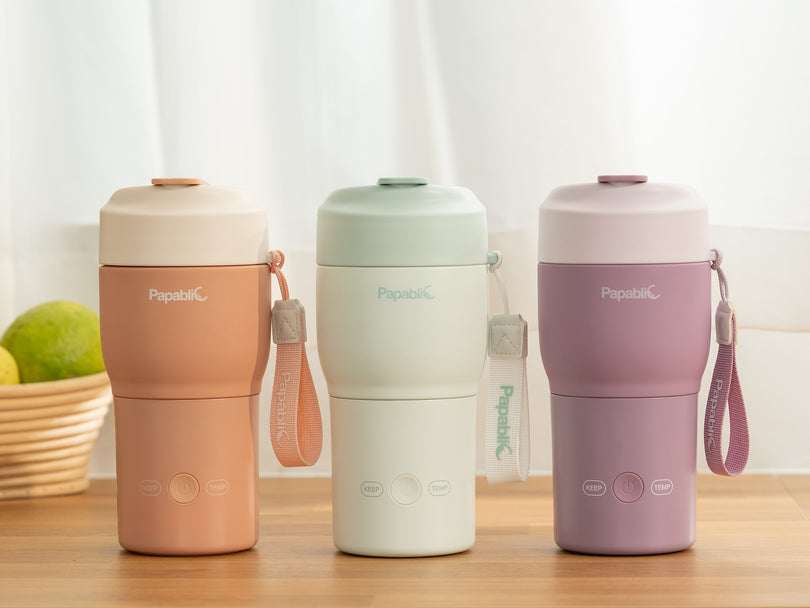
They reduce the chaos that often causes cleaning steps to get skipped or delayed. A reliable Portable Bottle Warmer or On-the-Go Bottle Warmer can prevent last-minute warming hacks that leave bottles sitting out too long. A Breast Milk Cooler helps you store and transport milk with fewer containers and fewer lids, which reduces the pile of parts that later hit the sink. When your feeding flow is calmer, your cleaning routine becomes more consistent, which is what improves real-world hygiene.