



If your supply feels like it's barely keeping up with your baby's needs, you're not the only parent lying awake running the numbers. Between power pumping, diet changes, and extra sessions, it's easy to wonder if any of it is working. This guide breaks down what actually helps, and when to bring in extra support.
Key Takeaways
-
Milk supply runs on removal: the more often milk leaves the breast, the more your body makes.
-
Nursing or pumping every 2–3 hours beats occasional long stretches.
-
Rest, hydration, and steady meals matter as much as any "supply-boosting" food.
-
A relaxed, unrushed pumping setup gets more milk out than a rushed one.
-
If concerns persist past a few days, a lactation consultant can help pinpoint the cause.
Why Milk Supply Feels So Hard to Figure Out
Milk supply feels confusing because the feedback is so slow. You can change your diet, add a pumping session, and drink more water today, and still not know if it worked for another day.
You're not imagining the stress. Many parents describe feeling genuinely down about their supply, second-guessing every ounce and wondering whether their effort even counts. That worry is common, and it doesn't mean you're doing anything wrong. Bodies respond on their own timeline, and a slow start doesn't predict where you'll end up.
How Breast Milk Supply Actually Works
Breast milk supply works on a simple rule, often called supply and demand: the more milk that's removed, the more your body makes. Each time a baby nurses or you pump, your body reads that as a signal to keep producing at that level, or a bit more.
In the first few weeks, supply is largely hormone-driven, which is why frequent early feeding matters so much. After that, it becomes more responsive to how often milk is removed. Skipped sessions or long gaps send the opposite signal, telling your body to slow down.
How to Increase Milk Supply Naturally
Small, consistent habits tend to do more for supply than any single fix. Here's where to start.
Nurse or Pump More Frequently
More frequent removal is the single biggest lever for increasing supply. Aim for every 2–3 hours during the day, including one session overnight if your baby is still young. Skipping sessions to "let your body rest" usually backfires and tells your body to make less, not more.
Add Short Power Pumping Sessions
Power pumping mimics cluster feeding by alternating short bursts of pumping and rest in one sitting, typically 20 minutes on, 10 off, 10 on. Doing this once a day for about a week can help signal your body to increase output.
Stay Hydrated Throughout the Day
Dehydration won't tank your supply overnight, but it doesn't help either. Keep water within reach during every session, and treat thirst as your cue rather than a strict daily target. Relying on caffeine or sugary drinks instead of water can leave you more depleted, not less.
Eat Regularly, Not Just "Right"
Consistent meals and snacks matter more than any specific lactation food. Oats, leafy greens, and protein-rich foods are popular choices, but skipping meals to save time does more harm than choosing the "wrong" snack. Undereating can affect both energy and supply, especially in the early postpartum weeks.
Prioritize Rest Where You Can
Sleep deprivation and stress both affect the hormones involved in milk production. You won't get eight uninterrupted hours with a newborn, but short naps and lower expectations can ease the strain that works against supply.
Reduce Stress Around Feeding Itself
Ironically, worrying about supply can make let-down harder, which then feeds the worry. Dimming the lights, sitting somewhere comfortable, and thinking of your baby before pumping can help your body relax into it.
Getting More Milk Out of Every Pumping Session
The fastest way to get more milk out of a pumping session is proper flange fit and a warm, relaxed start. A flange that's too tight or loose reduces output and can cause discomfort, so double-check the size against your pump's fitting guide.
Your equipment routine matters too, and not just for convenience. Pump parts touch both your skin and your breast milk directly, which makes leftover residue an easy environment for bacteria to grow.
The CDC recommends cleaning pump parts after every use and sanitizing them at least once a day, especially if your baby is younger than two months, was born prematurely, or has a weakened immune system. Parts also need to dry completely before their next use, since damp storage lets germs multiply between sessions.
That's a lot to stay on top of, and it can turn into a full-time job without the right equipment. Plenty of moms have struggled with exactly this. A certified lactation counselor who's pumped for four babies remembers asking herself the same thing early on: "how does anyone keep up with this every single day?"
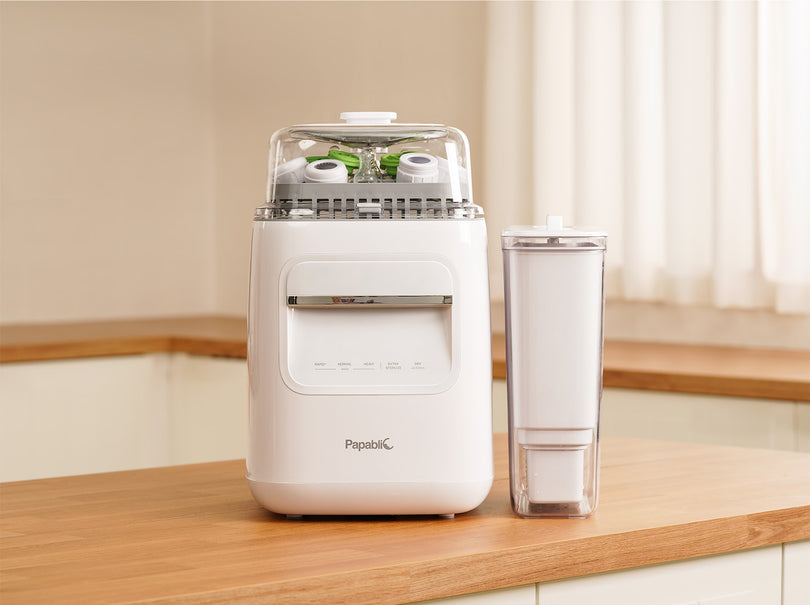
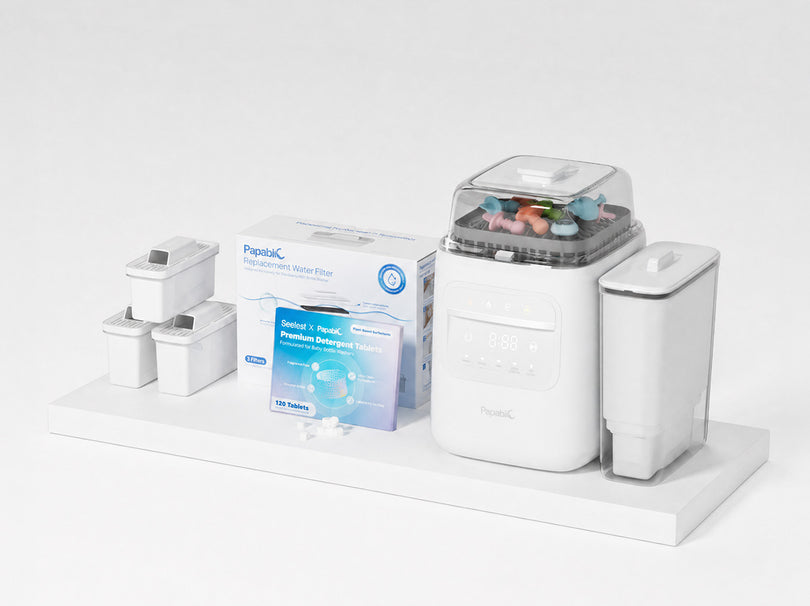
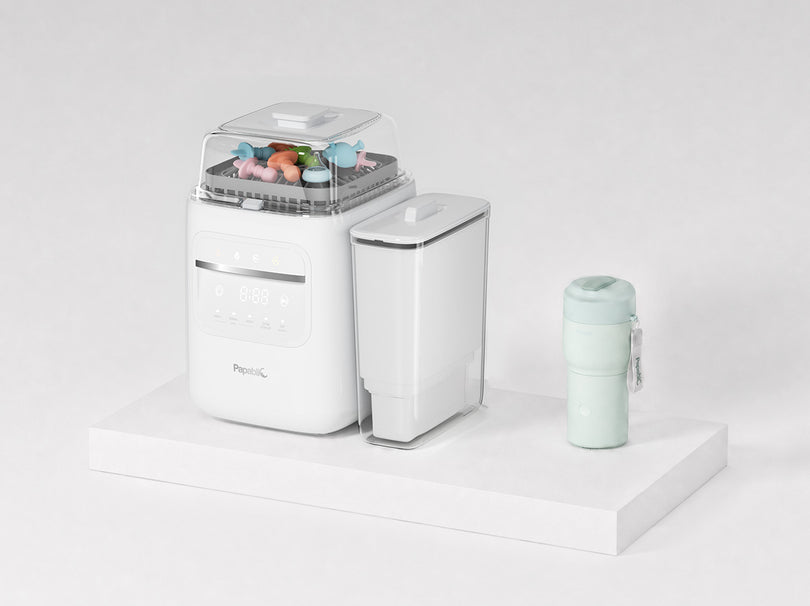
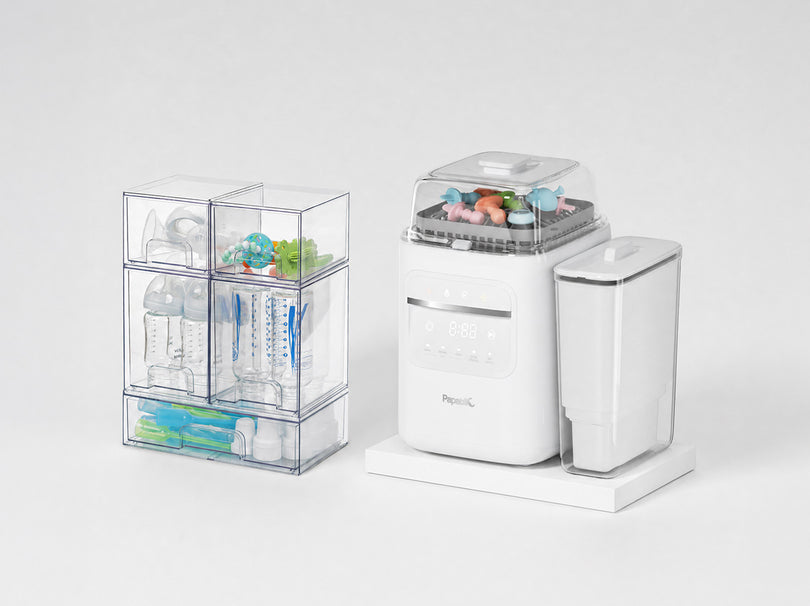
This is one reason so many turn to a bottle washer for pumping moms to handle the cleanup. The Papablic SafeguardPlus™ Baby Bottle Washer System washes, sterilizes, and dries 2 pump part sets or 8 bottles in one cycle, covering that daily cleaning and sanitizing routine automatically, so pumping stays about the milk and not the sink.
Getting your setup organized before your due date also helps. Parents who prepare for breastfeeding ahead of time spend less energy troubleshooting once feeding starts.

When to Reach Out to a Lactation Consultant
Reach out to a lactation consultant if low supply concerns continue for more than a few days despite frequent feeding, or your baby seems consistently unsatisfied after feeds. A consultant can watch a full feed or pumping session and spot issues that are hard to catch on your own, like latch problems or pump fit.
It's also worth reaching out for a sudden drop in supply, ongoing pain, or if you simply want a second set of eyes. Many hospitals and pediatric offices can point you toward a local consultant or support group.
Frequently Asked Questions
Do I Need to Clean and Sanitize My Pump Parts After Every Pumping Session?
Pump parts should be cleaned after every session to remove milk residue, and the CDC recommends sanitizing them at least once a day. Daily sanitizing matters most if your baby is younger than two months, was born prematurely, or has a weakened immune system.
What If Some Pump Parts Aren’t Suitable for High-Heat Sterilization?
Always follow the manufacturer's instructions, since some silicone or plastic parts can warp or degrade under high heat. Choose a cleaning method matched to the material. The Papablic SafeguardPlus™ Baby Bottle Washer System is built to safely clean and sanitize a range of pump parts and bottle materials in one cycle.
What Foods Help Increase Breast Milk?
No single food guarantees more milk, but consistent, balanced meals support supply better than any specific ingredient. Oats, leafy greens, whole grains, and protein-rich foods are commonly recommended, though staying adequately fed overall matters more than any one "lactation" recipe.
Will Milk Supply Decrease If Only Pumping?
Supply can decrease with exclusive pumping if sessions become inconsistent, since pumps don't always remove milk as effectively as a nursing baby. Pumping on a regular schedule, similar to a baby's feeding pattern, helps keep supply steady over time.
How Long Do Breasts Take to Refill?
Most parents find enough milk has built up again within 1–3 hours to make another session worthwhile, though this varies by person. Breasts are never fully "empty" and continuously produce milk; they just slow down the fuller they get.
Why Am I Struggling to Get Milk When Pumping?
Struggling to get milk while pumping is often related to flange fit, suction settings, or a missing let-down response rather than low overall supply. Warming up beforehand, checking flange size, and relaxing for a few minutes before starting can make a noticeable difference.
What to Drink to Boost Breast Milk?
Water is the most reliable choice for supporting milk production, since staying hydrated helps your body keep up with demand. Some parents also try herbal teas marketed for lactation, though the evidence behind them is limited compared to simply drinking enough water.
How Do You Fix a Low Breast Milk Supply?
Fixing low supply usually starts with increasing how often milk is removed, through nursing, pumping, or both. Pairing frequent sessions with enough rest, food, and hydration addresses most cases, and a lactation consultant can help if supply doesn't respond within a week or two.
Clean Pumping Equipment Supports a Steady, Stress-Free Milk Supply
Increasing your milk supply mostly comes down to a few repeatable habits: feed or pump often, rest and eat when you can, and keep stress from getting in the way of let-down. None of it requires perfection, just consistency.
The parts of the routine you can control easily, like keeping your gear ready to go, are worth simplifying. The Papablic SafeguardPlus™ Baby Bottle Washer System handles the day-to-day cleanup, washing, sterilizing, and drying pump parts and bottles in one cycle, so you're not scrubbing between sessions on top of everything else.
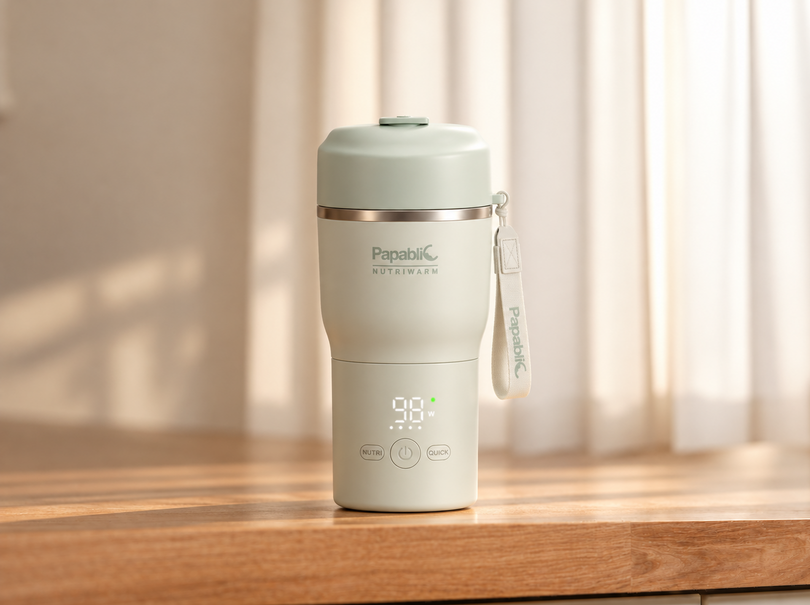
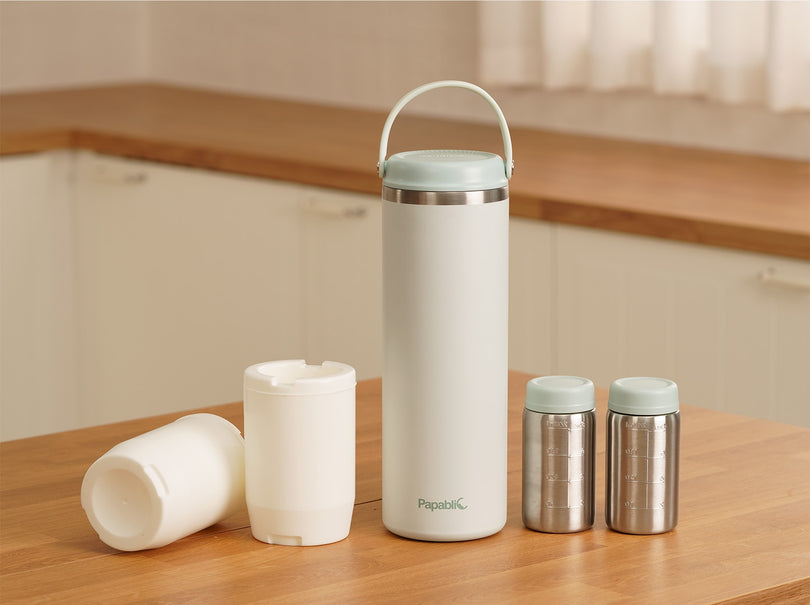
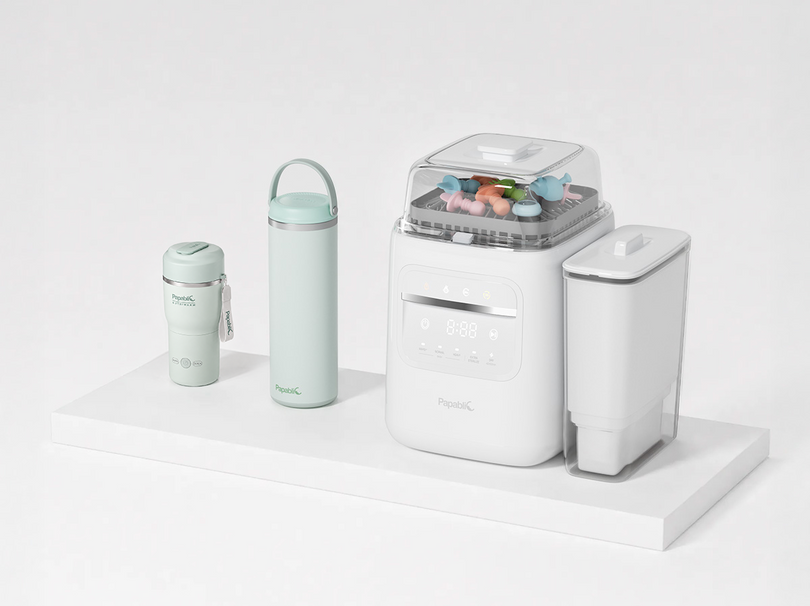
For a full setup that takes the guesswork out of feeding gear entirely, the Papablic SafeguardPlus™ Smart Feeding System bundles the bottle washer with a warmer and cooler, available in a choice of color, so you have one less thing to manage while you focus on rest and your baby.