




Need to store your liquid gold in the fridge, but worried about safety timelines? We get it. Feeding decisions have high stakes, and determining whether your breast milk is still fresh shouldn’t be a guessing game, especially when you’re sleep-deprived or working through a packed to-do list.
Here, we’ll walk you through the fridge storage window, how to spot real spoilage vs. normal changes, and the best practices that help your supply stay fresh longer.
How Long Does Breast Milk Last in the Refrigerator?
Fresh breast milk can last in the refrigerator for up to four days if kept at 39°F (4°C) or colder, according to the American Academy of Pediatrics guidelines.
Store it toward the back of your fridge rather than near or in the door so it avoids fluctuating temperatures every time the door opens. That inconsistency can shorten how long it stays safe.
Why is four days the benchmark? Breast milk contains natural antibacterial properties that slow bacterial growth, but these properties decline as it sits in storage. The four-day window reflects that natural decline.
|
Current Breast Milk Storage Guidelines
Use these quick guidelines whenever you need to reference safety windows:
|
Storage Method |
Temperature °F/°C |
Time |
|
Room temperature |
77°F/25°C or below |
Up to 4 hours |
|
Refrigerator |
39°F/4°C or colder |
Up to 4 days (for fresh milk) |
|
Freezer |
0°F/-18°C or colder |
Up to 9 months |
|
Deep freezer |
-4°F/-20°C or colder |
Up to 12 months |
|
Thawed, previously frozen |
Refridgerator |
Up to 24 hours |
Once milk has been thawed, it shouldn’t go back in the freezer. Warmed milk should also not be re-warmed or refrigerated. Warmed breast milk can sit out for up to 2 hours.

Signs Breast Milk May No Longer Be Safe to Use
Breast milk will naturally change in appearance during storage, so a new color or layer of separation doesn't automatically mean something went wrong. What you’re really watching for is smell and texture that fall outside the normal range. Here’s what you should know about breast milk that’s safe vs. not safe:
Normal Changes vs. Spoilage
Stored breast milk can separate into a thinner layer and a fattier layer on top. It’s not spoilage. You can gently swirl the container to remix the layers. Avoid shaking, since agitating the liquid can affect some of its components.
Colors can change, too. The color it may develop depends on the time of day you pumped or what you’ve eaten. Yellowish, bluish, or slightly brown tints are within the normal range.
Some parents notice a soapy or metallic smell in their stored supply, which is often linked to lipase. It’s a naturally occurring enzyme that breaks down fat and isn’t necessarily a sign that the batch has spoiled. If you get a sour or rancid smell, that’s a different story.
When to Discard Stored Milk
Discard any breast milk that:
- Has been stored in the refrigerator for more than four days.
- Smells rancid or sour.
- Has visible mold.
- Was left out longer than the room-temperature window allows. If you’re unsure, it’s reasonable to err on the side of caution and discard it to protect your baby.
- Your baby didn’t fully finish. Use or discard what’s leftover within two hours to avoid bacteria that saliva can introduce.
Best Practices for Safe Breast Milk Storage
If you can get into the habit of these best practices, you’ll keep your supply safe and eliminate any guesswork.
- Use proper storage containers. Store it in BPA-free bottles or breast milk storage bags with a secure seal. Skip generic plastic bags or repurposed food containers, since they’re more prone to leaks and aren’t built to handle the temperature swings of fridge and freezer storage.
- Store smaller portions to reduce waste. Save it in smaller portions, starting around 2–4 ounces. You’ll be able to thaw and pull out only what your baby needs at one feeding. This method also means less guessing (and less going to waste if a larger batch goes unused).
Can You Combine Freshly Pumped Milk With Chilled Milk?
Yes, but you should cool the fresh portion first so it reaches the same temperature as the already-cooled portion. Once you’ve combined batches, base your four-day or 24-hour clock on the oldest milk in the container rather than the most recently added portion.
Never add a warm batch to a frozen batch, because the warmth can partially thaw the frozen milk and compromise the storage timeline.
Why Clean Bottles and Pump Parts Matter for Breast Milk Safety
Storage timing only protects breast milk if the equipment that touched it was clean from the start. Even a perfectly chilled batch can be compromised by what it touched on the way into the bottle.
How Bacteria Can Affect Stored Milk
Any residue left behind in bottles or pump parts gives bacteria a head start before the batch even reaches the fridge, which can shorten the effective safe storage window regardless of how consistently cold your refrigerator runs.
Essential Cleaning Steps for Bottles and Pump Components
After each use of pumping equipment or bottles, wash every part that touches the milk. Let everything fully air-dry before storing or using again, since trapped moisture invites bacterial growth.
Simplifying Bottle Cleaning for Busy Parents
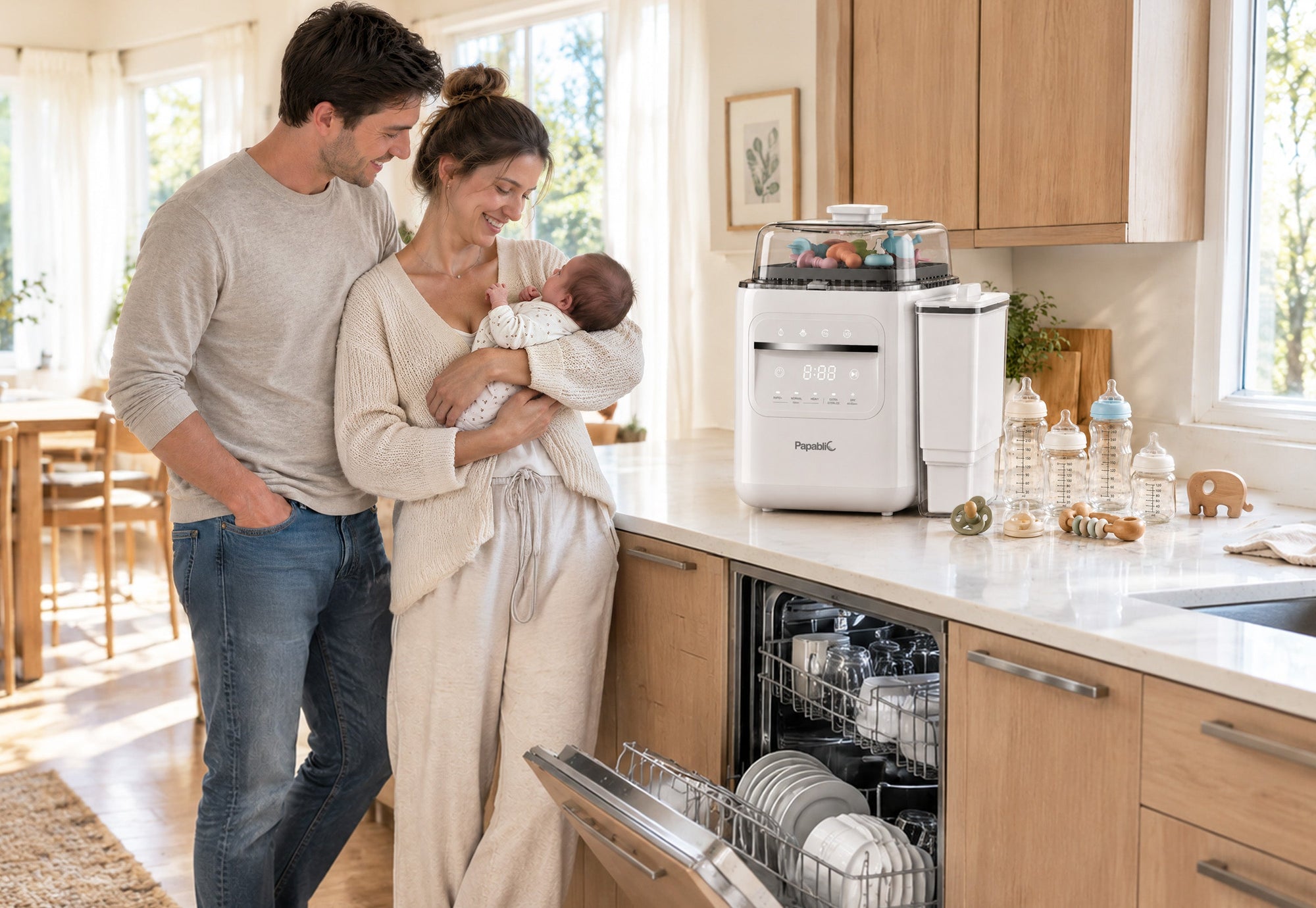
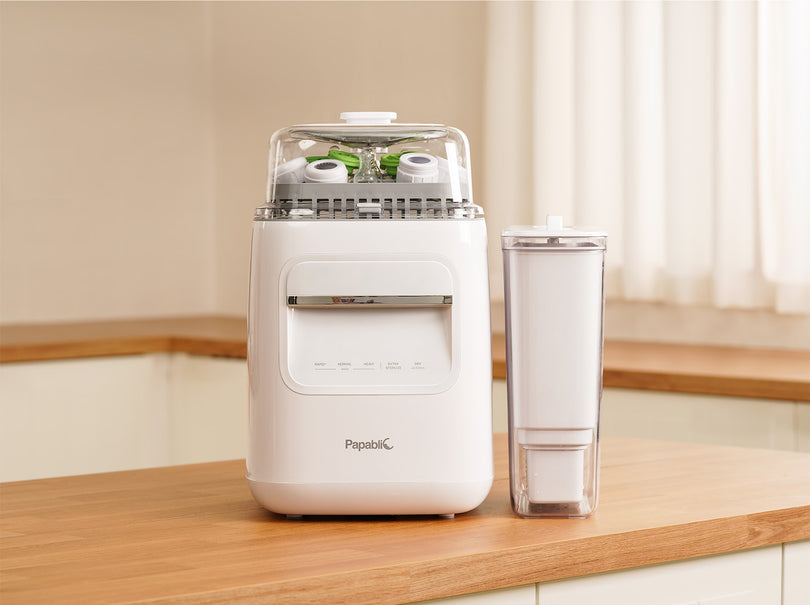
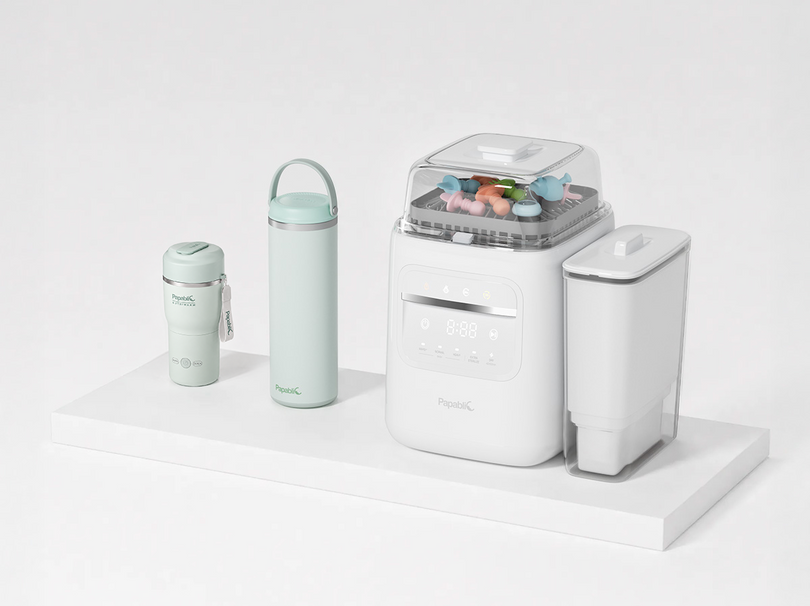
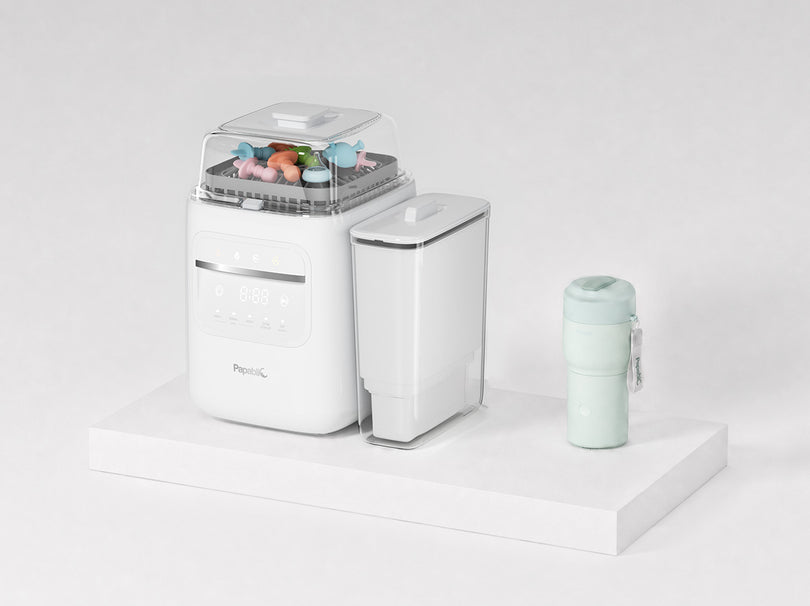
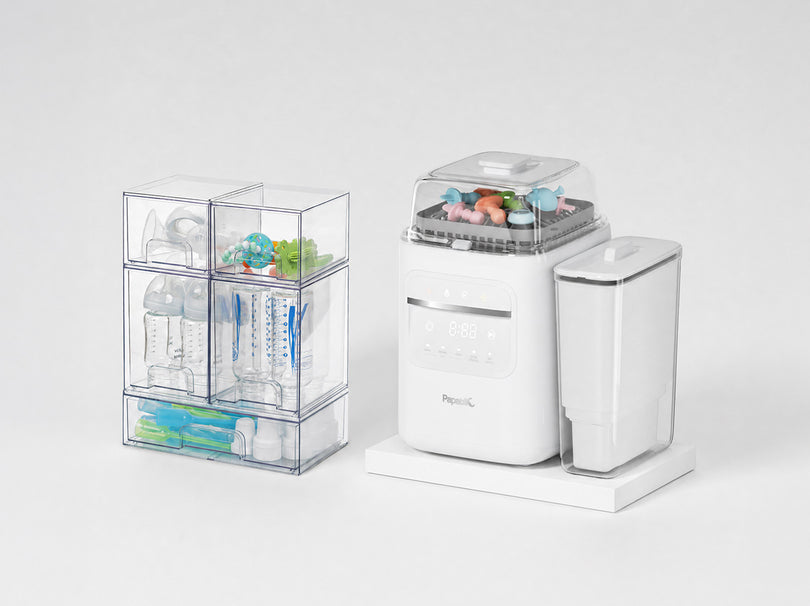
We know that cleaning your bottles and pump parts after every use is one more task on your already full list. This universal parenting challenge is why we built the SafeguardPlus™ Baby Bottle Washer System.
It's a single countertop unit that washes, sterilizes with steam to kill 99.99% of harmful germs, and dries your feeding gear, then keeps it sterile for up to 72 hours through continued air circulation. It’s one less step for you to worry about between a pumping session and a clean bottle so you can spend more time on postpartum recovery or being present with your family.
How Temperature Control Helps Protect Breast Milk Quality
Consistent cold is what makes the four-day window possible. When temperatures fluctuate, even briefly, it works against this timeline, which is easier to maintain at home than on the go.
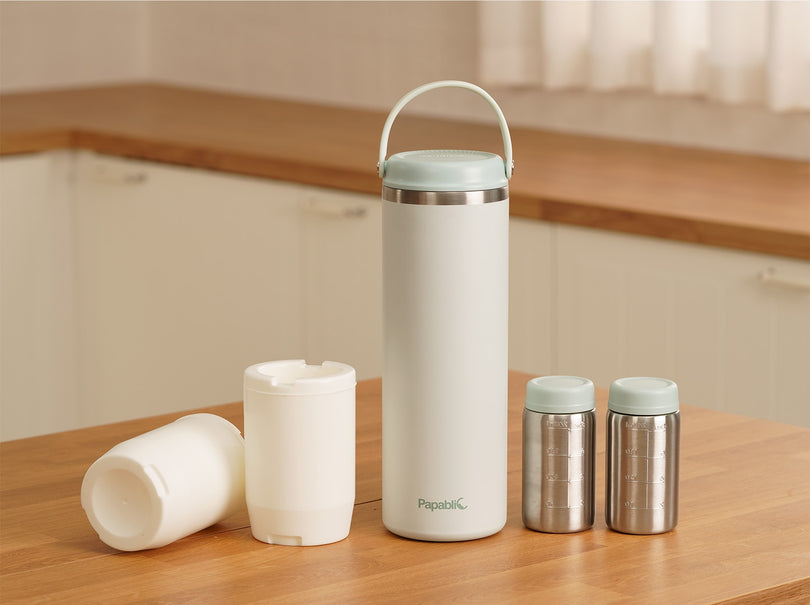
Our CapsuleChill™ Breast Milk Cooler keeps it cold within the safe zone for up to 36 hours, so you can stay consistent and protect your supply from anywhere. Some newborns take cold breast milk without any issue, so you may even be able to use the milk kept in your cooler without warming it up first.
That portability and convenience come in handy when you’re juggling multiple feedings and activities in and out of the home.

Frequently Asked Questions
Is Breast Milk Still Good After 5 Days in the Fridge?
No, current guidance from the CDC and AAP caps fresh refrigerated milk at four days. It has natural bacteria-slowing properties that subside over time in storage, which is why it may not be safe after five days in the fridge.
How Do I Know If My Breast Milk Went Bad?
The tell-tale signs that breast milk has gone bad are a sour or rancid smell and visible mold. If it separates into layers or slightly changes color, that’s normal storage behavior and doesn’t necessarily point to spoilage.
Can Babies Drink Breast Milk Cold?
Yes, breast milk does not have to be warmed before feeding. Some babies take it straight from the fridge without a problem, while others may prefer it closer to body temperature. Both are perfectly acceptable.
Keep Breast Milk Safe With Proper Storage, Cleaning, and Temperature Control
Four days in the fridge, clean equipment, and consistent cold. Those three habits protect every ounce you've pumped. The right tools make all three easier to keep up.
Explore our feeding collection to find the storage and cleaning essentials that work with the way your family feeds.