






Subscribe & Save 15%
Unlock early access to sales, feeding guides, and free gift chances.
FAQs
What core downsides come with hand washing baby bottles and breast pump parts?
Hand washing can take hours each week and doesn't always provide consistent cleaning. Milk residue can remain in bottle nipples and hard-to-reach pump parts, while sinks may expose feeding items to cross-contamination. In hard water areas, mineral buildup can leave cloudy residue, and some tap water may also contain contaminants such as lead and PFAS.
Does Papablic SafeguardPlus™ eliminate all hand-washing baby feeding gear steps?
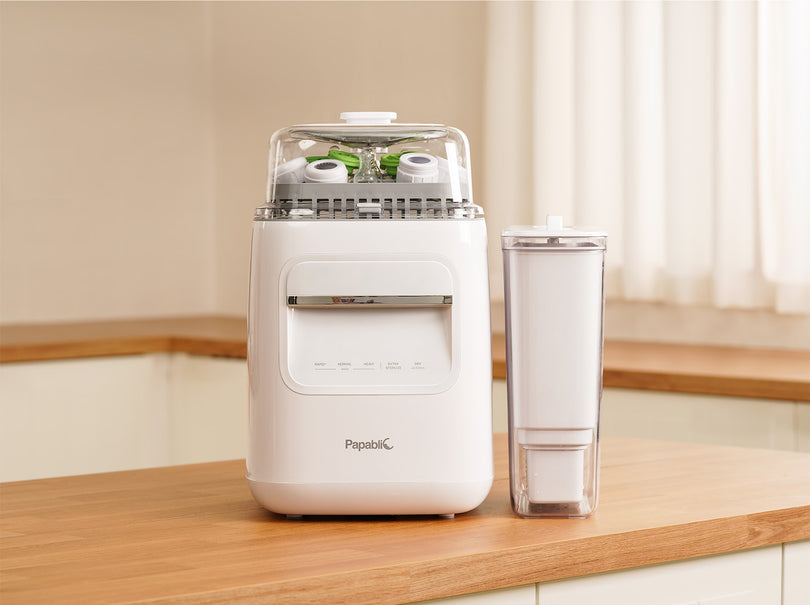
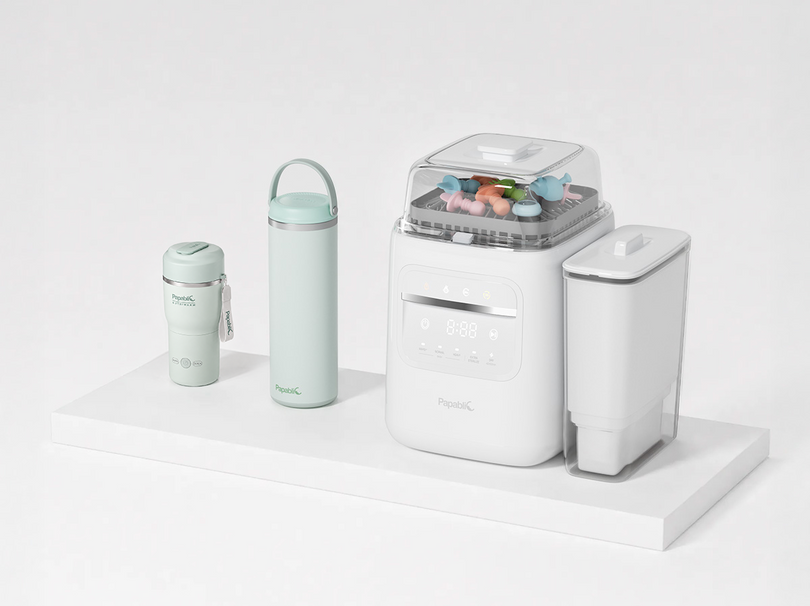
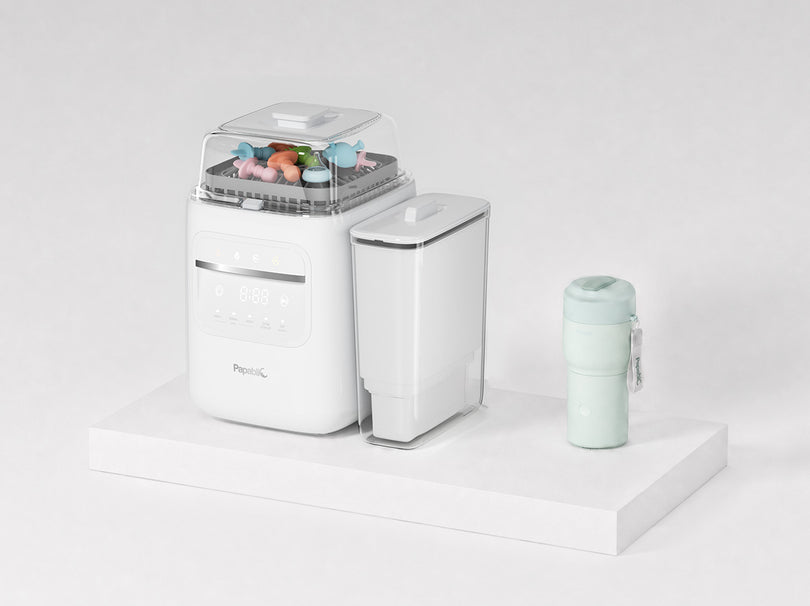
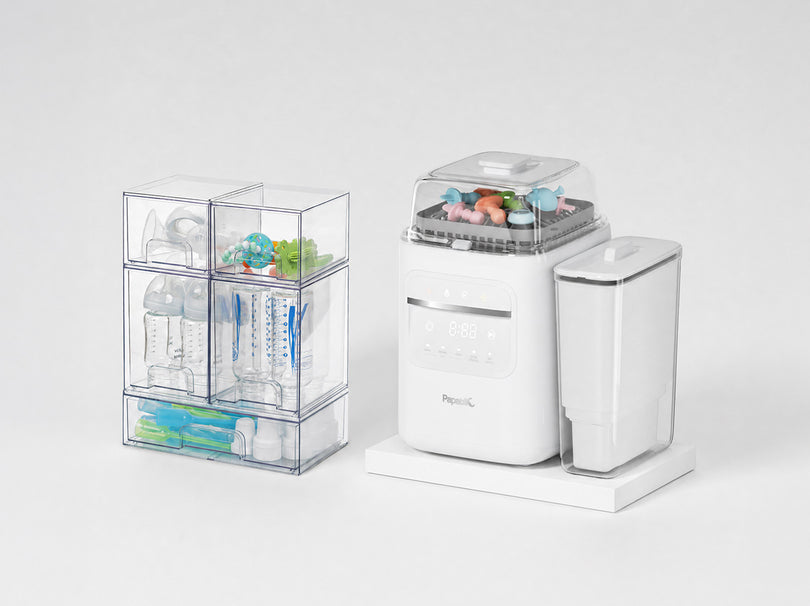
Yes. This all-in-one baby bottle washer handles built-in filtration, wash, sterilization, drying and sterile storage. Skip manual scrubbing, boiling pots and separate bottle drying racks for pump parts and pacifiers.
Can hand washing remove lead and PFAS from tap water residue on baby bottles?
No. Hand washing with soap can remove milk residue and surface dirt, but it cannot remove lead, PFAS, or other contaminants that may be present in unfiltered tap water. Boiling water also does not remove these substances. If your tap water contains minerals or contaminants, those can remain behind as residue after washing and drying baby bottles and feeding parts.
Is hand washing enough for exclusive pumping parents with daily breast pump cleaning?
Exclusively pumping means multiple sets of flanges to clean daily. Hand washing each piece one by one drains postpartum energy. Papablic SafeguardPlus™ Bottle Washer fits 2 full pump sets per load for safe and thorough cleaning.
Why does hand washing leave bottles damp and prone to bacteria growth?
After scrubbing, you must air-dry on bottle washing racks for hours. Residual trapped moisture breeds germs. Papablic SafeguardPlus™ Bottle Washer’s dual-fan system delivers fully dry bottles ready for immediate sterile storage.
Do I still need sterilizing tablets or steam sterilizer bags if I own a bottle washer?
Hand washing requires extra sanitizing supplies to meet infant hygiene standards. Papablic SafeguardPlus™ Bottle Washer integrates steam sterilization, cutting disposable sterilizing tablets and microwave sterilizer bags entirely.
How much time does a bottle washer save compared to daily hand washing?
Hand washing all bottles and wearable breast pump parts takes 40–60 minutes daily. Papablic SafeguardPlus™ Bottle Washer lets you rest instead of scrubbing during late-night newborn feeds.
Are hand-washed pump parts safe for preemie and NICU babies?
Preemies demand strict baby safety standards. Manual cleaning leaves unseen milk residue and water pollutants. It's recommended to use filtered bottle washers over hand washing for vulnerable infants.
Can hand washing damage silicone nipples and breast pump shields?
Aggressive scrubbing with rough bottle brushes scratches silicone surfaces, trapping milk odors. Papablic SafeguardPlus™ Bottle Washer’s gentle multi-layer spray cleans thoroughly without wearing down baby bottle nipple material.
Does hand washing create more long-term costs than an all-in-one bottle washer?
Hand washing adds steady expenses for distilled water, sterilizer supplies and replacement bottle brushes. Papablic SafeguardPlus™ Bottle Washer only needs routine filter changes and eliminates those recurring baby essentials costs.
Can I wash sippy cups, teethers and pacifiers by hand faster than a bottle washer?
Scrubbing small baby accessories by hand is tedious and easy to miss tiny gaps. Papablic SafeguardPlus™ Bottle Washer holds bottles, pump gear, sippies and pacifiers in one single automatic load.
Why do many breastfeeding consultants recommend bottle washers over hand cleaning?
Manual washing relies on consistent scrubbing technique that exhausted parents rarely maintain. Papablic SafeguardPlus™ Bottle Washer delivers thorough and safe cleaning aligned with feeding bottle hygiene best practices.