




Introduction
Bringing a baby home from the NICU can make one simple kitchen task feel high stakes. Many NICU parents hear that premature babies need tighter hygiene, then get pulled into a confusing question: Does that mean you need a medical-grade Baby Bottle Washer, or do you just need a process you can trust? If that distinction gets blurry, it is easy to overspend, skip key steps, or rely on a label that sounds reassuring but does not actually change your daily routine.
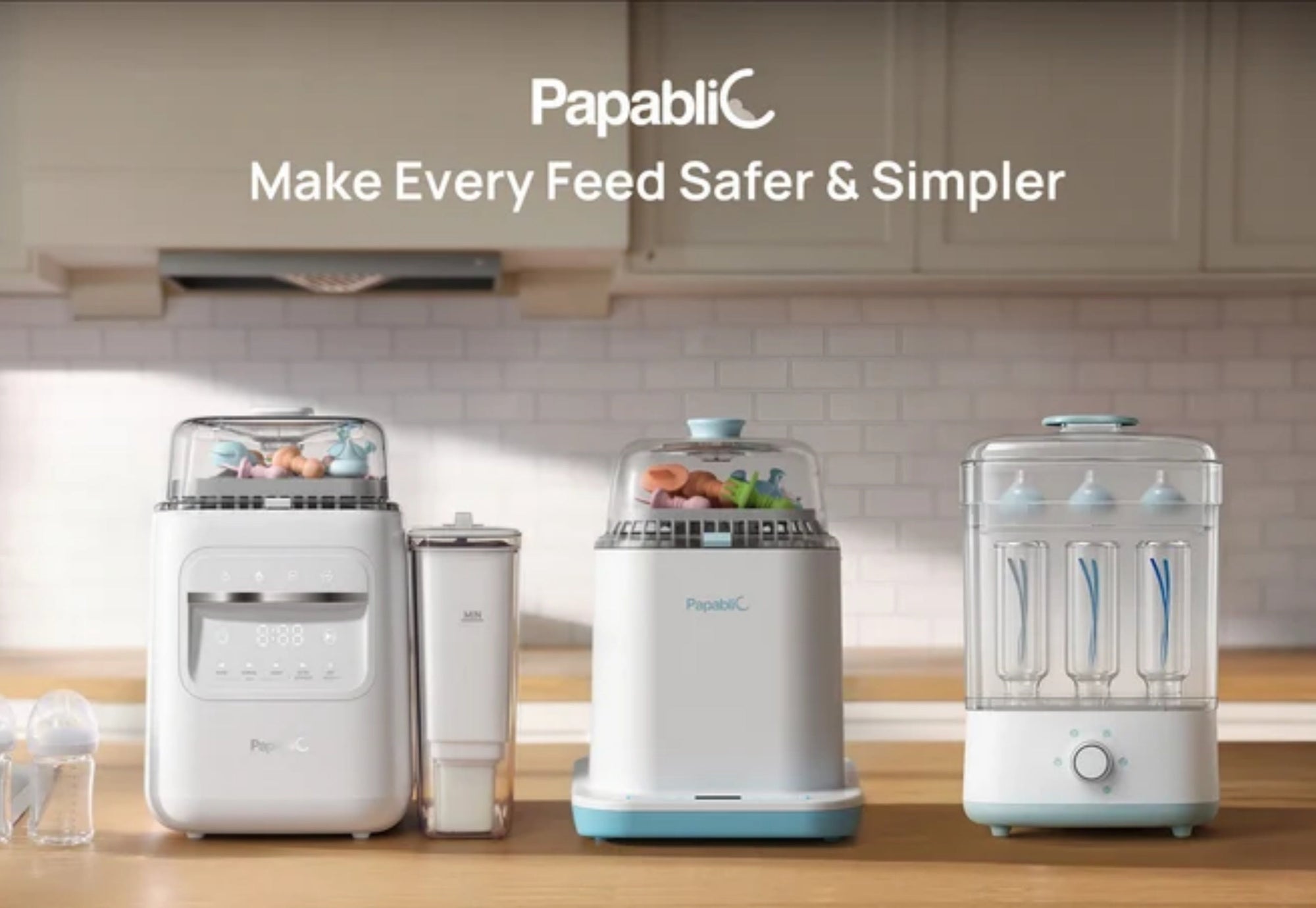
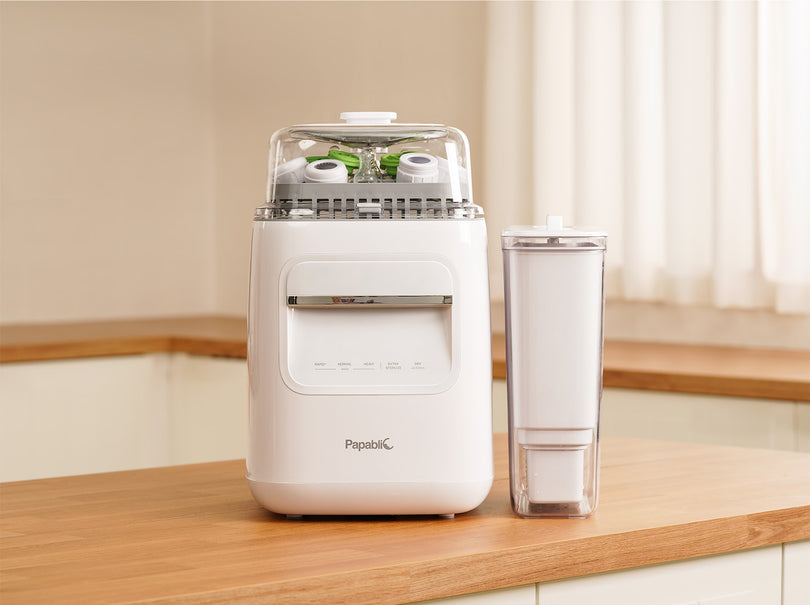
This guide sorts out that confusion in a practical way. You will see what medical-grade really means, why premature babies need narrower safety margins, and how cleaning, sanitizing, drying, and storage work together after discharge. From there, we will walk through home setup choices, when automation helps most, and where an all-in-one system like the Papablic SafeguardPlus can fit into a safer, calmer feeding workflow for new parents and NICU parents.
NICU Baby Bottle Washers
A NICU discharge plan often includes feeding instructions, medicine schedules, and follow-up appointments. Bottle hygiene belongs on that list because premature babies and babies with recent medical needs can have less room for error. The key point is simple: most families do not need a hospital-only device, but they do need a repeatable process that lowers contamination risk. The CDC says feeding items should be sanitized daily, or more often, for babies younger than 2 months, babies born prematurely, or babies with weakened immune systems. It also separates cleaning from sanitizing and drying, which helps you evaluate any Baby Bottle Cleaner or Bottle Cleaning System more clearly. (cdc.gov)
Why premature babies need tighter hygiene margins
The issue is not that every bottle becomes dangerous. The issue is that small mistakes can stack up fast when your baby feeds many times each day.
- Premature infants may have less mature immune defenses.
- Repeated handling creates more chances for contamination.
- Partially cleaned threads, valves, and nipples can trap residue.
- Damp storage can undo careful washing work.
- Tired caregivers are more likely to miss a step overnight.
What this means for your workflow is that consistency matters more than perfection theater. A careful handwashing routine can work. So can a Steam Sterilizer, a dishwasher with sanitizing support, or an Automatic Bottle Cleaner. The better question is not, "What sounds most advanced?" It is, "What system makes the right steps easy to repeat when I am exhausted?"
Cleaning, sanitizing, and drying are not the same step
Many new parents use these words as if they mean the same thing. They do not, and that confusion leads to weak routines.
- Cleaning removes milk film, formula residue, and visible debris.
- Sanitizing reduces germs after items are already clean.
- Drying helps prevent moisture from supporting germ growth.
- Safe storage protects clean parts from recontamination.
According to the CDC, you should clean feeding items in a basin used only for infant items, avoid placing them directly in the sink, and let them air-dry thoroughly before storage. The CDC also notes that a dishwasher with hot water and a heated drying cycle, or a sanitizing setting, may cover sanitizing without a separate step. (cdc.gov)
What "medical-grade" actually means at home
Medical-grade is a real term in clinical settings, but it is often used loosely in consumer marketing. In a hospital, that label usually points to validated standards, controlled protocols, and institutional infection-control requirements. At home, what protects your baby is not the label by itself. What protects your baby is whether your system reliably handles washing, sanitizing, drying, and clean storage with low opportunity for recontamination.
What to check:
- Does the product describe the exact cleaning stages?
- Does it state whether sanitizing is by steam or another method?
- Does it include a drying or storage function?
- Does it reduce hand contact after cleaning?
- Does the language describe outcomes clearly, not just use premium wording?
That is why a Papablic SafeguardPlus™ Baby Bottle Washer System can be the right answer even without a hospital-style claim. For many NICU parents, the practical standard is process control at home, not clinical branding.
Dry storage matters more than many families expect
Once bottles are sanitized, the next weak point is often storage. A damp bottle on a crowded counter is not a finished job. The CDC says to allow items to air-dry thoroughly and then store reassembled bottles and feeding items in a clean, protected area, such as a closed cabinet used only for clean dishes. It also warns against towel-drying because towels can transfer germs back onto the item. (cdc.gov)
Common mistake:
- Sanitizing bottles, then placing them on a shared kitchen towel
- Reassembling parts before they are fully dry
- Setting nipples or pump valves near the sink
- Forgetting to clean the wash basin and the bottle brush
For NICU parents, this is where an all-in-one Baby Bottle Washer or Hygienic Bottle Dryer can reduce risk. Fewer transfers often mean fewer chances to contaminate clean parts.
NICU Risk Profile and Why a Baby Bottle Washer Can Help
A NICU graduate does not always go home with the same hygiene needs as a full-term, healthy older infant. The main shift is that your routine needs less variability. A missed brush pass inside a collar, a basin that was also used for produce, or a bottle reassembled while damp might not cause a problem every time, but NICU parents are usually trying to shrink every avoidable risk. That is why a Baby Feeding System with repeatable steps can feel less like convenience and more like workload protection.
Why it matters
- Premature babies may be more vulnerable in the first weeks after discharge.
- Frequent feeds multiply tiny routine errors.
- Pump parts add more narrow surfaces and hidden milk residue.
- Caregiver fatigue increases at night and during cluster feeding.
The CDC says germs can grow quickly if you add milk to a partially used bottle or only rinse a used bottle instead of fully cleaning it. It also stresses clean hands, clean surfaces, and safe handling of pump parts and bottle components. For higher-risk infants, that makes routine reliability especially important. (cdc.gov)
What this means for your setup
A Baby Bottle Washer helps most when your challenge is not knowledge but repetition. If you already know the steps but struggle to complete them at 2 a.m., automation becomes valuable. A reliable Automatic Bottle Cleaner can reduce touchpoints, standardize timing, and support your wider Newborn Care Solutions setup alongside Bottle Warmers, a Breast Milk Cooler, and other Feeding Essentials.
Best fit:
- Parents washing bottles and pump parts multiple times daily
- Families sharing feeding work across caregivers
- Homes with limited clean counter space
- NICU parents who want one-button consistency
What Medical-Grade Actually Means for a Baby Bottle Washer Decision
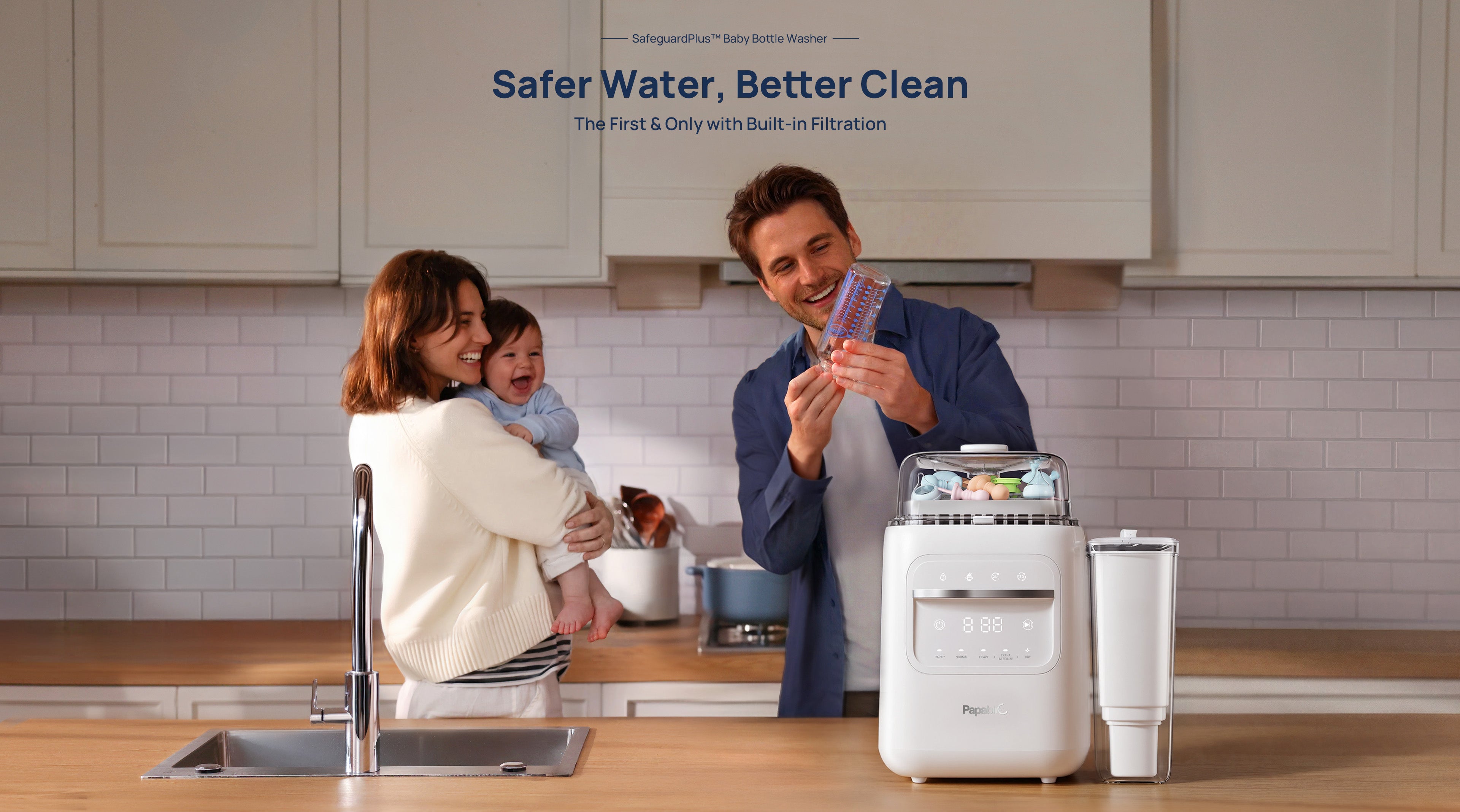
The phrase medical-grade sounds decisive, but it can distract from the real decision. In hospitals, equipment claims usually tie back to formal validation, staff protocols, and controlled use conditions. In your kitchen, the label matters less than whether the device performs the right stages in the right order. For NICU parents, the outcome to target is simple: thoroughly cleaned feeding items, effective sanitizing, complete drying, and protected storage. That is the decision frame you should use when comparing a Baby Bottle Washer, Baby Bottle Sterilizer, or Quick Bottle Sterilizer.
Key specs or signals
Instead of chasing one label, look for evidence of workflow coverage.
- Clear the wash stage before sanitizing
- Steam or equivalent sanitizing method
- Full drying support after sanitizing
- Storage mode that protects clean items
- Capacity for bottles and pump parts
- Materials presented as baby-safe
This is also where marketing language can confuse new parents. A product can be excellent for home use without claiming hospital-grade status. On the other hand, a premium-sounding label does not help if you still need to hand-transfer wet parts across the kitchen. For most NICU parents, effective process control is a better standard than brand vocabulary.
Common mistake
- Assuming "medical-grade" automatically means "safer for every baby."
- Ignoring whether the device actually washes, sanitizes, dries, and stores
- Comparing products only by headline claims
A practical home standard is easier to defend: if your Baby Bottle Sanitizer reduces daily friction and helps you complete the full hygiene sequence every time, it is doing the job you actually need.
Home Cleaning Workflow for NICU Parents Using a Baby Bottle Washer
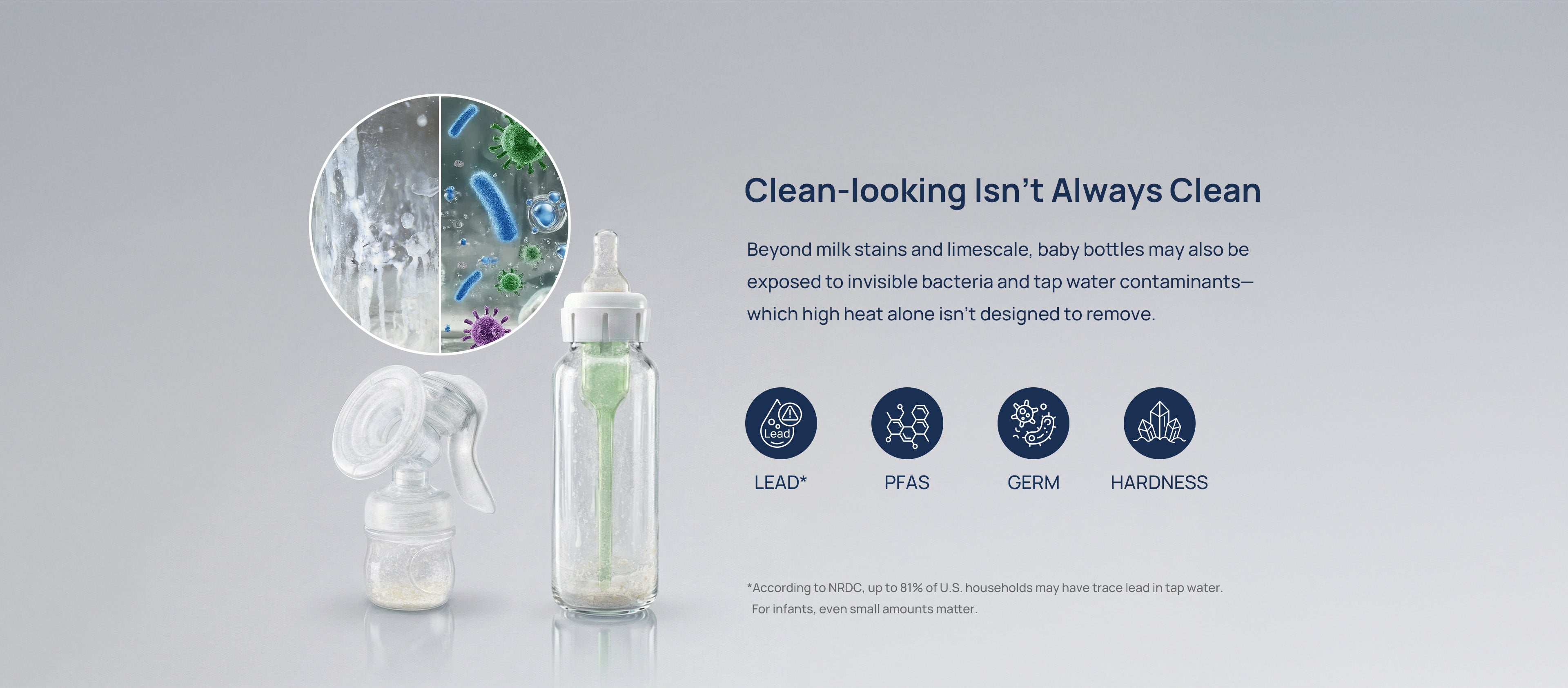
The safest home routine is not the fanciest one. It is the one you can repeat without shortcuts. For NICU parents, a strong bottle-care workflow starts before the machine cycle. Residue needs to be removed, parts need to be separated, and clean and dirty zones need to stay distinct. Once that setup is solid, an All-in-One Bottle Washer or Bottle Washer with Sterilizer can make the rest much easier by reducing manual handling.
What to check
Use this sequence every day:
- Wash your hands before touching clean items.
- Separate bottles, collars, nipples, valves, and pump parts.
- Keep dirty items out of the sink itself when possible.
- Clean visible milk residue before sanitizing.
- Run a sanitizing cycle or dishwasher sanitizing program.
- Let items dry fully before assembly or storage.
- Clean the basin and the brush that touched dirty items.
The CDC specifically advises using a wash basin reserved for infant feeding items, not washing directly in the sink, and allowing thorough air-drying before storage. It also notes that bottle brushes and basins should be cleaned regularly, and after every use for babies who are premature or otherwise higher risk. (cdc.gov)
When Automation Helps Most for NICU Parents and New Parents

Automation matters most when the weak point is caregiver bandwidth. Many NICU parents leave the hospital with strong instructions and low sleep. That combination is exactly where repeated, manual bottle care can break down. An Automatic Bottle Cleaner or Smart Baby Bottle Station helps by reducing the number of decisions and transfers needed after every feed. That can protect more than time. It can protect attention for medicine dosing, pumping schedules, and feeding cues.
How to Choose a Baby Bottle Washer After NICU Discharge
The best Baby Bottle Washer for NICU parents is the one that matches your baby's risk level and your real daily volume. A smaller device with weak drying may sound fine until you are cleaning bottles, valves, flanges, and caps six times a day. Start by matching your pediatric guidance and feeding plan to the machine's workflow. Then check whether it covers the steps you actually struggle to complete manually.
What to check first
| Decision factor | What to look for | Why it matters |
|---|---|---|
| Baby risk level | Pediatric guidance match | Higher hygiene margin |
| Step coverage | Wash, sanitize, dry, store | Fewer missed steps |
| Load capacity | Bottles plus pump parts | Less split washing |
| Daily friction | Low touch workflow | Better consistency |
| Validation language | Specific claims only | Avoid hype |
Match the machine to your routine
- Exclusive pumping needs pump-part capacity.
- Formula feeding needs reliable bottle turnover.
- Mixed feeding needs flexibility across parts.
- Night feeding needs low-effort cycles.
What this means
If your home already has a dishwasher with a sanitizing setting and strong drying performance, that may be enough for some families. If your problem is handling many small parts, protecting clean items after drying, or staying consistent under sleep loss, an All-in-One Bottle Washer can be the better answer. Choose based on workflow weakness, not just headline features.
Conclusion
Most babies coming home from the NICU do not need a true medical-grade device in the hospital sense. What they usually need is a reliable, low-error routine that cleans, sanitizes, dries, and stores feeding items safely. That is the standard NICU parents should use when evaluating a Baby Bottle Washer, Baby Bottle Sanitizer, or Bottle Sterilizer and Dryer.
If your current process depends on perfect energy and memory, automation may be worth it. A system that reduces touchpoints and keeps bottles clean and dry between feeds can make everyday hygiene easier to repeat, which is often the real safety win after discharge.
FAQ
Do I need a medical-grade device to clean bottles for a NICU graduate?
Usually, no. Most families do not need a hospital-class device to care for feeding items at home. What matters more is a repeatable process that thoroughly cleans, sanitizes when appropriate, dries completely, and stores items safely. For NICU parents, the goal is consistent risk reduction, not a premium label. If a Baby Bottle Washer helps you complete the full routine every time, it may be more useful than a device that only sounds clinical.
How often should feeding items be sanitized for a premature baby?
Daily sanitizing is commonly advised for premature babies after items have been thoroughly cleaned. That is especially relevant during the early period after NICU discharge, when hygiene margins are tighter. The exact duration depends on your pediatric team's guidance, your baby's age, and any ongoing medical issues. If you are using a dishwasher or Steam Sterilizer, confirm that it truly provides sanitizing support. Drying completely after sanitizing is part of the same safety process, not an optional extra.
Is handwashing enough for NICU parents?
Yes, handwashing can be enough if every step is done carefully and consistently. You need clean hands, a basin reserved for feeding items, a clean bottle brush, full disassembly of parts, thorough rinsing, and complete air-drying before storage. The challenge is not whether handwashing can work. The challenge is whether your household can repeat it perfectly across night feeds, pump sessions, and caregiver handoffs. That is why many new parents choose a Baby Bottle Cleaner or Automatic Bottle Cleaner for added consistency.
What makes a bottle washer helpful after NICU discharge?
A bottle washer is most helpful when it lowers routine variability. NICU parents often juggle bottles, pump parts, medicine timing, and sleep loss, so missed steps become more likely. A Bottle Washer with Sterilizer, drying, and storage support can reduce manual transfers and make the process easier to repeat. That matters because contamination often returns after the cleaning stage, not during it. The more complete the workflow, the less your routine depends on memory and counter space.
Can a dishwasher replace a bottle washer?
Sometimes, yes. A dishwasher can work well if it uses hot water, includes heated drying or a sanitizing setting, and fits your bottle parts securely. It may be less ideal if you are cleaning many small valves, wearable pump pieces, or mixed feeding accessories that get lost or stay wet. Capacity and drying quality matter as much as the wash cycle itself. If your dishwasher routine still leaves damp parts on a rack, a dedicated Baby Bottle Washer or Bottle Sterilizer and Dryer may be easier to manage.
Why does drying matter so much?
Drying matters because moisture creates a better environment for germs and mold to persist or regrow. A bottle is not truly ready for safe storage if milk film has been removed and germs reduced, but water is still sitting in seams, valves, or nipples. Damp storage can also contaminate nearby clean parts. That is why a Hygienic Bottle Dryer or Fast Drying Baby Bottle Sterilizer can be more useful than a sanitize-only machine. Complete drying closes the loop on the cleaning process.
Are pump parts different from bottles when it comes to cleaning?
Yes, pump parts often need more attention because they include narrow channels, valves, membranes, and multiple connection points. Those shapes can trap milk residue more easily than a standard bottle body. If you are exclusively pumping or combining pumping with bottle feeding, choose a Bottle Cleaning System that can handle both item types without crowding. You should also disassemble pump parts fully and avoid assuming a quick rinse is enough. The more parts you handle daily, the more valuable consistent automation becomes.
When is an all-in-one feeding setup worth considering?
An all-in-one setup is worth considering when your feeding workflow has several linked steps that break down under fatigue. For example, NICU parents may be using a Baby Bottle Washer at home, a Portable Bottle Warmer for travel, and a Breast Milk Cooler for transport or daytime handoff. That kind of system reduces friction across cleaning, warming, and storage rather than solving just one problem. It is especially useful for homes with multiple caregivers or heavy pumping schedules. The best setup is the one that makes safe feeding easier to repeat every single day.