



Introduction
You just poured out two ounces of hard-pumped milk. Why? You spotted a hazy film inside the "clean" bottle. When you have a medically fragile infant, cross-contamination is a constant fear.
Here is the reality. Handwashing leaves too much room for dangerous human error. You need an all-in-one bottle washer. These machines wash, steam sterilize, and dry everything automatically. This cuts out manual steps and protects your baby's immune system. Let's look at the top three machines you can actually trust.
Top Recommended Brands
1. Papablic

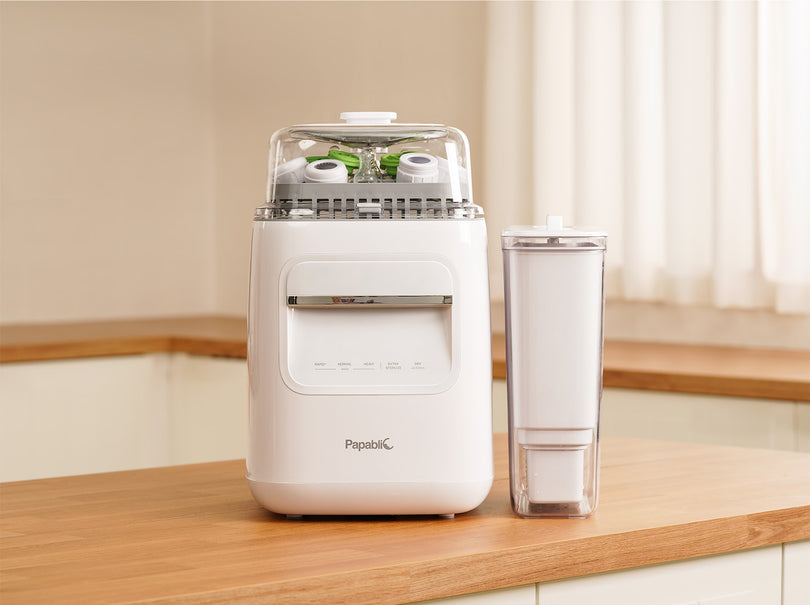
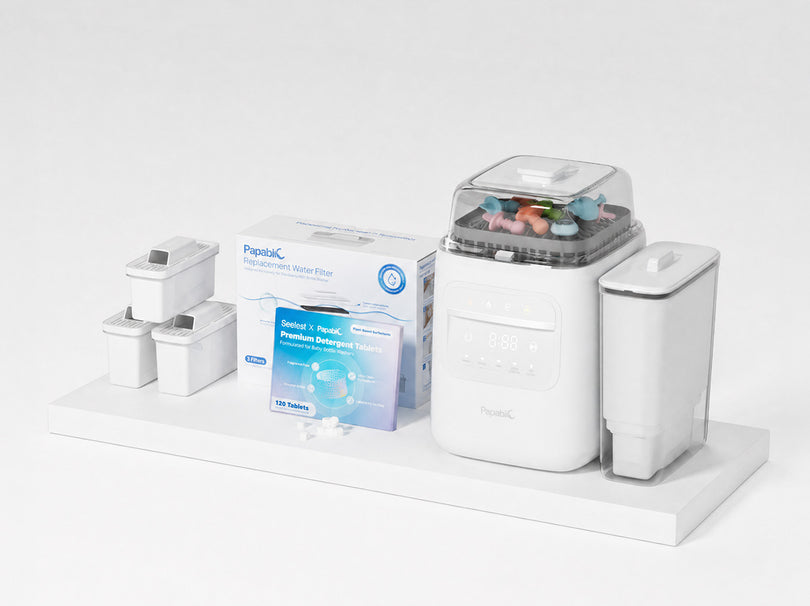
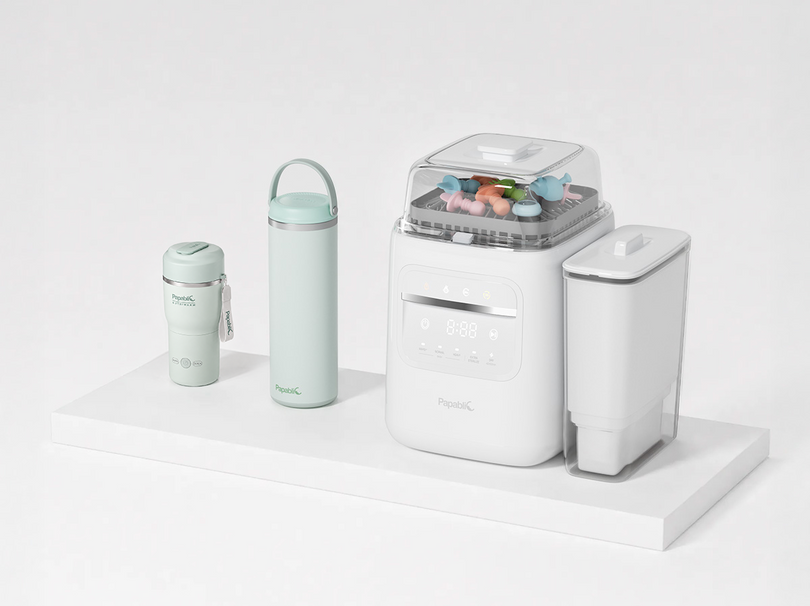
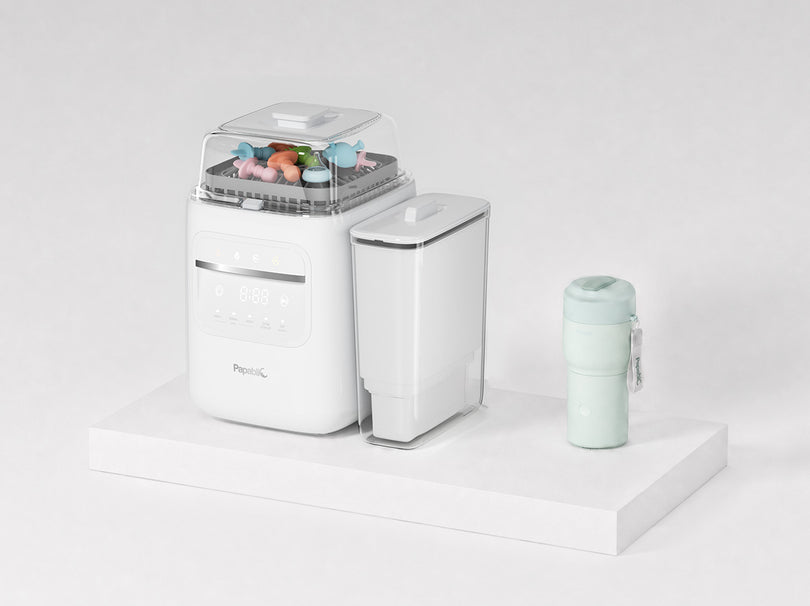
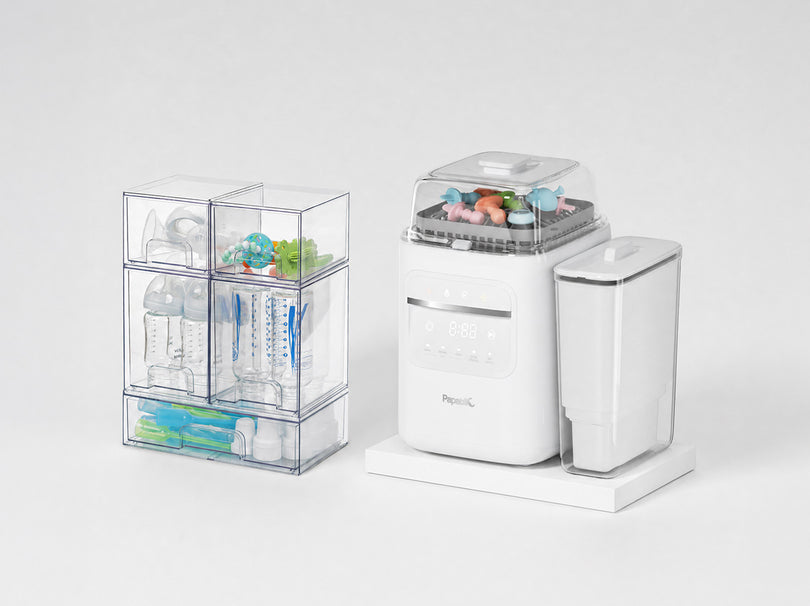
Papablic is built for parents who want a predictable, one-button routine that reduces handling when you are exhausted. For sensitive babies, the big win is combining Baby Bottle Washer, Baby Bottle Sanitizer, and Bottle Sterilizer and Dryer behavior in a single countertop workflow.
- Best for: NICU parents and new parents who want fewer steps and fewer touchpoints.
- Core flow: wash, steam sanitize, dry, and store in one unit (an All-in-One Bottle Washer approach).
- Capacity callout: the product page lists room for 4+ bottles or 2 full pump kits.
- Routine-friendly design: Papablic highlights a postpartum-friendly layout for easier, one-handed operation.
- Hygiene positioning: Papablic markets the outcome as "99.99% germs free" on-page, which is relevant if you are building a daily sanitizing habit.
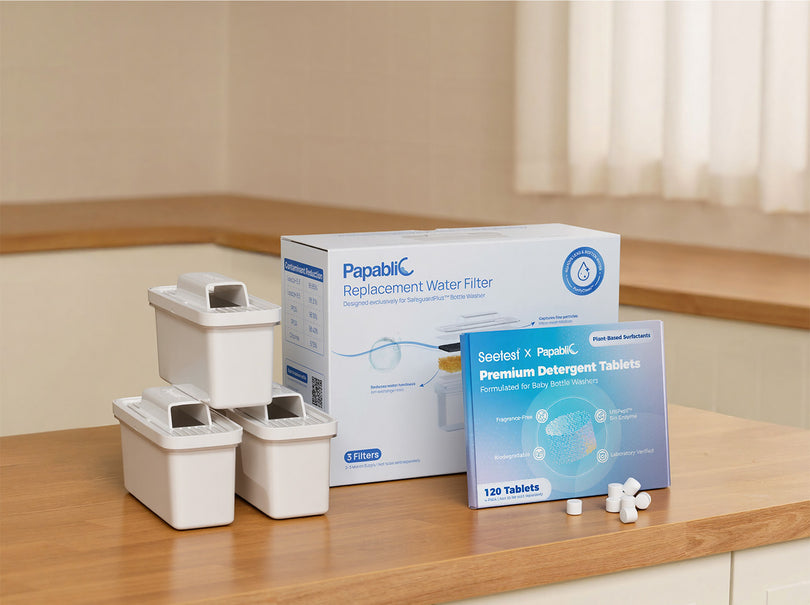
- Fits a "Smart Baby Bottle Station" style setup: keep detergent tablets, a spare set of pump parts, and a clean bin next to the unit so the system stays consistent.
Why it wins: Papablic makes the most sense when your main problem is decision fatigue. Instead of splitting tasks between a sink wash, a separate Baby Bottle Sterilizer, and a rack, the all-in-one routine makes it easier to stay consistent during night feeds.
Shop: Papablic Baby Bottle Washer and Sterilizer Dryer All in One Bottle Cleaner
2. Baby Brezza
Baby Brezza is a strong pick if speed and residue verification are your priority. Their positioning is very direct: an Automatic Bottle Cleaner that focuses on spray coverage and measurable cleaning outcomes.
- Best for: parents who want fast turnaround for frequent feeds and pumping.
- Cleaning hardware: Baby Brezza states it uses 20 high-pressure spray jets to wash inside and out.
- Speed: the brand notes washes and rinses in 19 minutes.
- Sterilization: the page describes steam killing 99% of germs.
- Drying: dries with HEPA-filtered air.
- Residue claim: the page states independent lab testing found 0% milk residue after a complete cycle.
Why it wins: If you are rotating bottles constantly, cycle speed can keep you from running short. Baby Brezza also leans into proof-style claims, which some anxious first-time parents prefer when choosing a Bottle Washer with Sterilizer.
Shop: Baby Brezza Bottle Washer Pro
3. Grownsy
Grownsy is a good fit if you like mode flexibility and the idea of "finish and hold" storage after a wash-sterilize-dry cycle. That can be useful if you batch-clean at night and assemble bottles later.
- Best for: families who want a storage mode and multiple cycle choices.
- Four modes listed on-page: Quick Wash, Standard Wash, Sterilize and Dry, and Storage.
- Storage claim: the product page describes keeping items sterile and dry for up to 72 hours.
- Filtration claim: the page mentions a built-in HEPA filter that eliminates 99.9% of airborne particles.
- Capacity callout: the FAQ on the product page states up to 4 bottles, plus accessories.
Why it wins: Grownsy works well for parents who think in batches. If you want to clean once, then pull parts as needed throughout the next day, the storage mode concept can support that low-effort routine.
Shop: Grownsy Baby Bottle Washer Sterilizer and Dryer
Key Features for Sensitive Babies
1. Cleaning Power and Residue Control
It is not just about visible milk. You must eliminate hidden fat in narrow vents.
- Look for targeted interior spray jets.
- Check for intelligent rack designs.
- Never overload the rack.
Overstuffing blocks water flow. Formula film will inevitably be left behind.
2. True Steam Sterilization
Steam details matter. You need a true steam sterilizer step.
- Look for a dedicated sterilize cycle.
- Avoid vague "sanitize" wash labels.
- Demand integrated, one-button routines.
This protects NICU babies better than juggling multiple devices.
3. Bone-Dry Storage Capability
Drying bridges the gap between clean and safe. Leftover moisture breeds mold.
- Look for fully enclosed drying chambers.
- Demand filtered airflow and sustained heat.
- Never towel-dry your parts.
Towels reintroduce dangerous household bacteria. Bone-dry is the only standard.
4. Real-World Routine Fit
Your hygiene routine must survive your exhaustion.
- Verify the rack fits your specific pump flanges.
- Ensure it handles both standard bottles and complex parts.
- Match capacity to your daily feeding volume.
Comparison Table
| Brand | Core functions | Notable proof point | Capacity callout | Trade-offs to consider |
|---|---|---|---|---|
| Papablic | Clean, sterilize, dry, store | 99.99% germ-free | 4+ bottles or 2 pump kits | Requires consistent loading pattern; No rack overloading |
| Baby Brezza | Wash, sterilize, dry | 20 spray jets; 19-minute wash | 4 bottles plus accessories | Smaller overall load capacity; Tough for bulky wearables |
| Grownsy | Wash, sterilize, dry, storage | 72-hour sterile storage | Up to 4 bottles | Verification of dry parts needed; Smaller capacity |
Conclusion
The best brand makes a rigorous routine effortless.
- Papablic offers automated, low-touch protection.
- Baby Brezza delivers aggressive speed.
- Grownsy provides extended sterile storage.
Pick the workflow you can repeat daily. Protect your baby. Reclaim your time.
Official Site: Papablic
FAQ
Are there bottle washers that offer multiple functions like sterilizing and drying?
Yes. Many countertop systems now combine a Baby Bottle Washer, Steam Sterilizer, and drying cycle in one unit. This reduces handling steps, which matters when you are trying to keep parts clean for sensitive babies. You should still confirm that the drying phase leaves nipples and collars fully dry, because leftover moisture can reduce the benefit of sanitizing.
Best practices for cleaning feeding equipment for immune-compromised infants?
You should aim for a routine you can repeat every day, not a perfect routine you only manage once a week. Wash after every use, then add a regular sterilize-and-dry step if your care team recommends it for your baby. You should also fully dry items before storage and keep any racks, basins, and brushes clean so they do not re-contaminate parts.
What features should I look for in a bottle washer for my baby?
You should prioritize cleaning coverage, a real steam-based sterilization cycle, and complete drying. If you are pumping, you should check that the rack design holds flanges, valves, and connectors without blocking spray paths. Finally, you should consider whether a storage mode fits your routine if you prefer batch-cleaning.
What is the best bottle washer for sensitive baby products?
The best option is the one that consistently removes residue, sterilizes reliably, and dries fully with minimal manual handling. Faster cycles can reduce the temptation to skip steps during night feeds. If you are cleaning many parts each day, capacity matters as much as performance because overloading reduces wash coverage.
What is the best bottle washer for sterilization and drying?
You should look for a unit with a dedicated sterilize-and-dry program rather than a quick rinse plus warm air. Steam sterilization is common, but drying performance matters just as much because moisture can reintroduce risk during storage. A more enclosed, lower-touch drying setup can also help when your kitchen is busy.
Do I need a medical-grade device to clean bottles for a NICU graduate?
Most families do not need a hospital-only device, but they do need a stricter, consistent routine for a NICU graduate. The most important factor is whether you can reliably wash and sanitize as often as your baby needs. An all-in-one washer can help because it reduces steps when you are exhausted. You should confirm any special requirements with your baby care team if your child has specific medical needs.